American
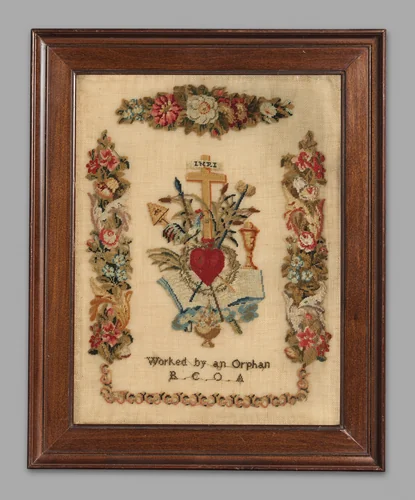
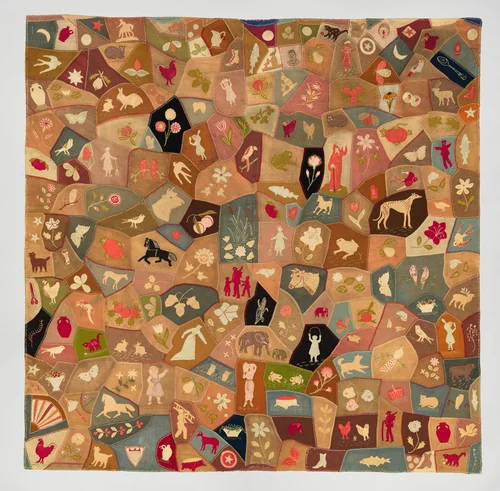
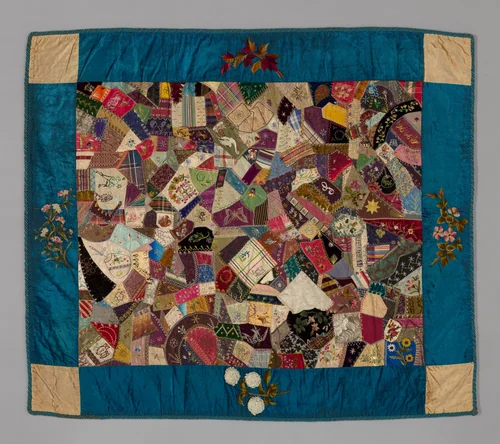
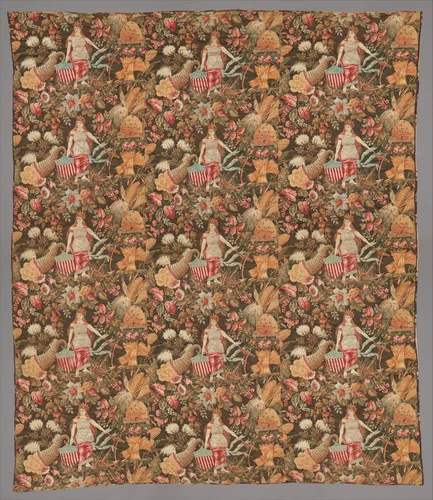
The artist designated simply as "American" represents a profound, yet often anonymous, force within 19th-century material culture, active across nearly seven decades from 1829 through 1896. This expansive period witnessed the fundamental structuring of modern national identity, encompassing everything from citizenship and ancestry to the establishment of the American English dialect. Operating primarily within the medium of textiles, this collective output achieved rare institutional recognition, with examples of their craftsmanship secured in the permanent collections of the Metropolitan Museum of Art and the Art Institute of Chicago, cementing their status as museum-quality examples of domestic fine art.
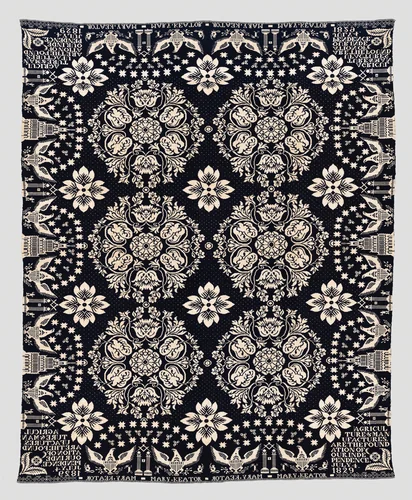
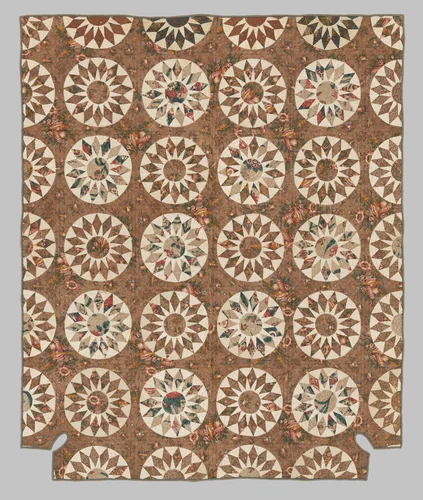
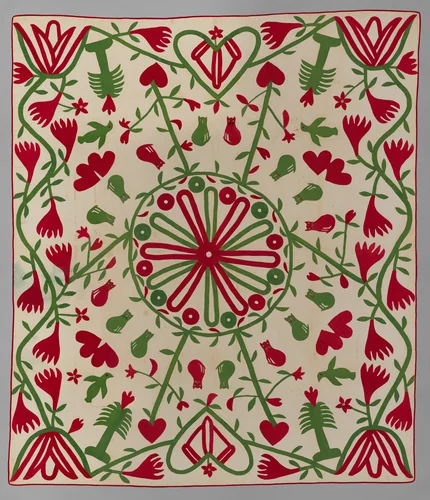
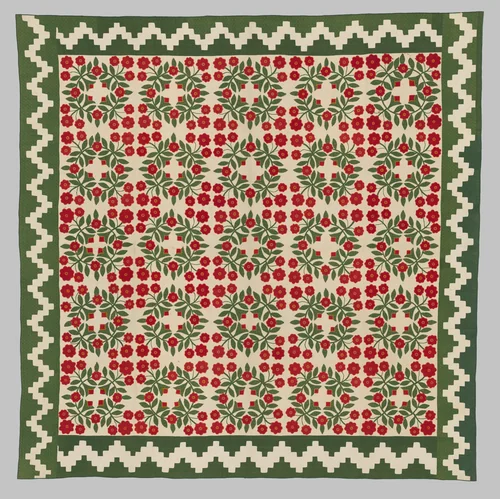
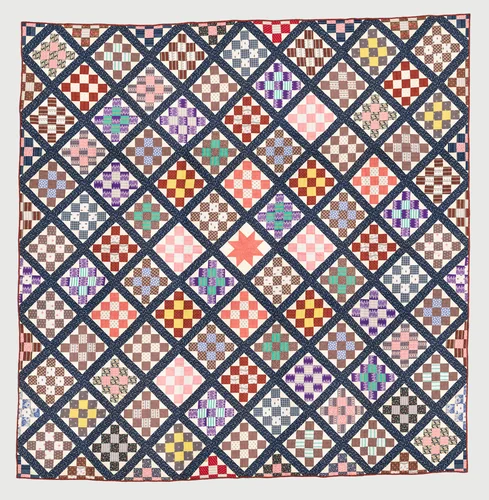
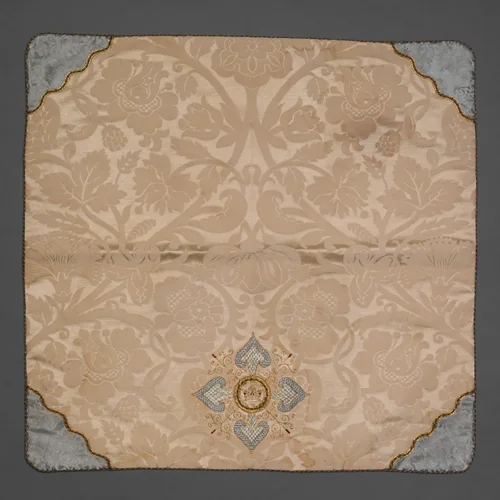
The works attributed to this designation provide a compelling study in regional and historical pattern evolution. The surviving oeuvre demonstrates a sophisticated mastery of both intricate piecing and appliqué techniques characteristic of the Antebellum and Civil War eras. These pieces often blend complex geometric principles with naturalistic detailing. The Sunburst Quilt, for instance, exhibits a vibrant, challenging radial symmetry, while the Rose Wreath Quilt relies on more curvilinear and celebratory domestic motifs. The collection further illustrates versatility across function, ranging from the elaborate to the pragmatic, notably including the compelling Cat quilt and the fundamental Coverlet, alongside the formally ambiguous Untitled work.
Perhaps the most intriguing element of this historical archive is the nomenclature itself. The designation "American" bypasses individual biographical detail to foreground the essence of national identity, subtly echoing the era’s focus on communal output and the evolving definitions of citizenry and indigenous heritage. This collective approach mirrors the complex origins and multiple meanings of the term, which encompasses language, ancestry, and the peoples of the United States. While the identity of the individual maker remains absorbed into this broader context, the technical excellence ensures the enduring historic importance of the textiles. Today, these seminal works are often preserved through high-quality prints and resources, contributing vital material to the study of American prints and applied arts for contemporary artists and historians.
Source: Wikipedia · CC BY-SA 4.0