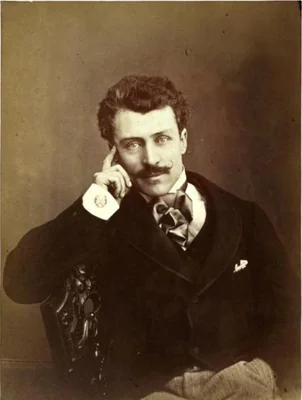
Ambroise Tardieu
Ambroise Tardieu (1788-1841) was a French engraver and cartographer whose output illuminates the critical role of reproducible media in documenting and disseminating knowledge during the transition from the eighteenth to the nineteenth century. Active primarily between 1798 and 1820, Tardieu’s work exhibits a precise technical execution across the dual disciplines of geographical mapping and detailed portraiture.
His historical prominence is frequently anchored in his achievements as a cartographer. Tardieu is celebrated for his sophisticated rendition of John Arrowsmith’s seminal 1806 map of the United States. This endeavor required not only meticulous engraving skill to translate complex geographical data onto a copperplate but also an artistic understanding of how lines and topography could convey political and scientific reality to a burgeoning audience.
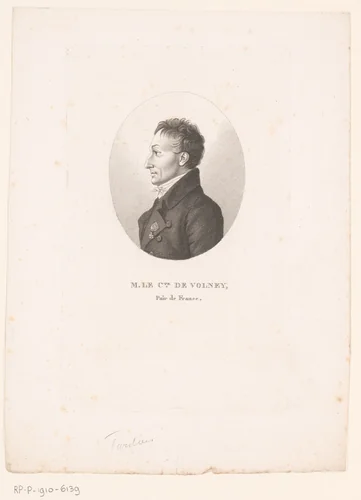
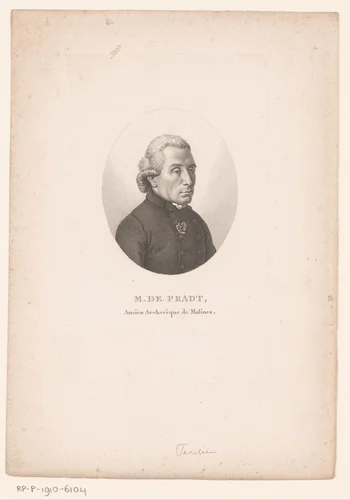
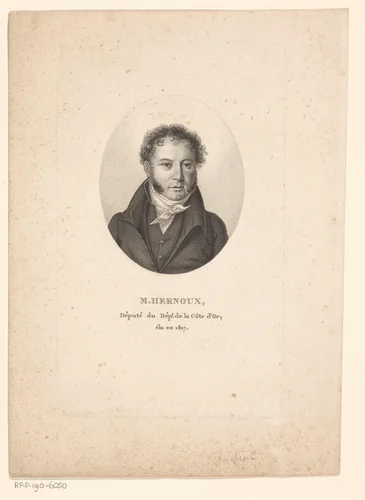
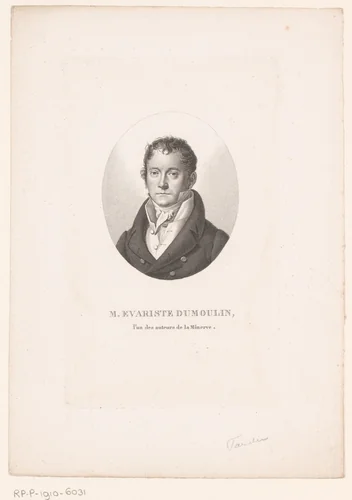
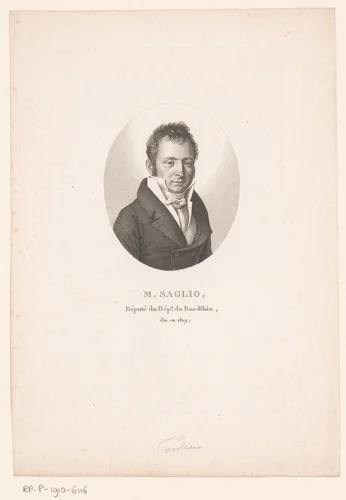
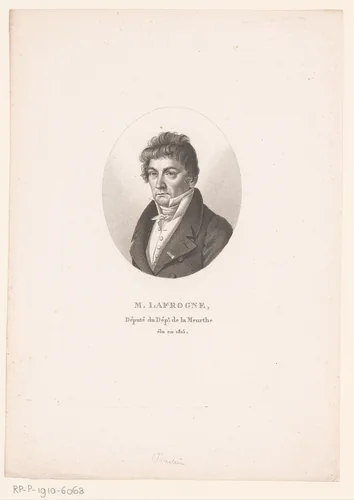
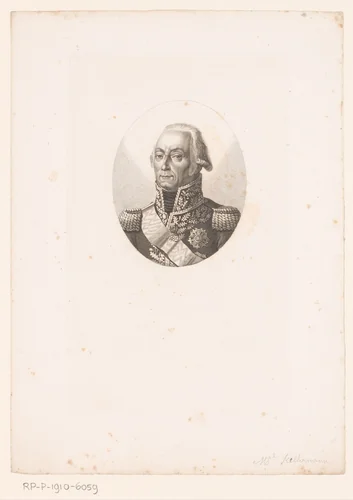
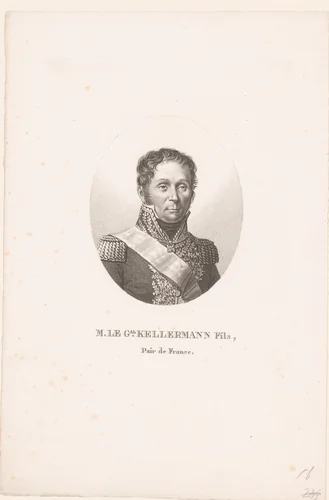
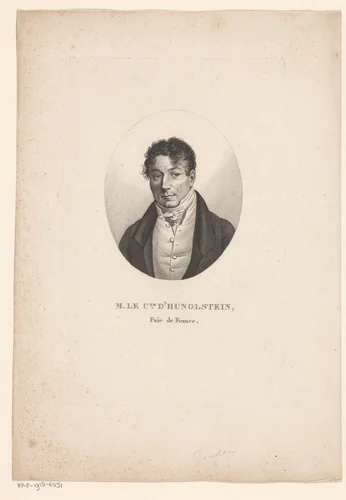
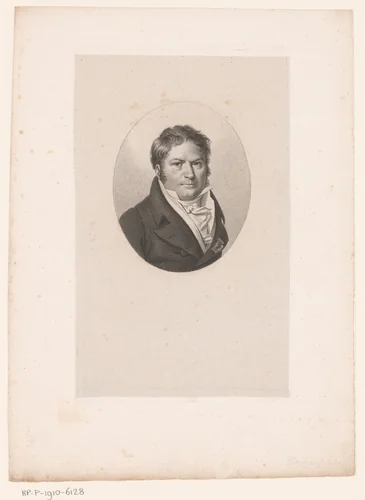
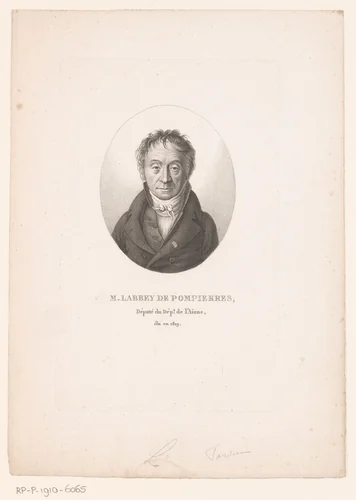
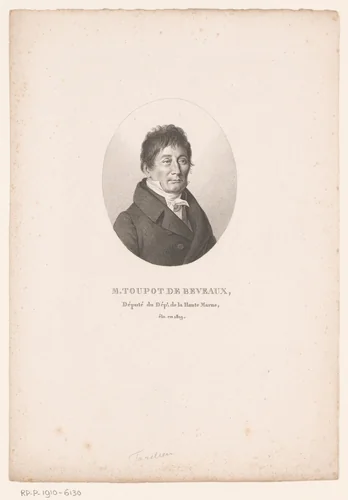
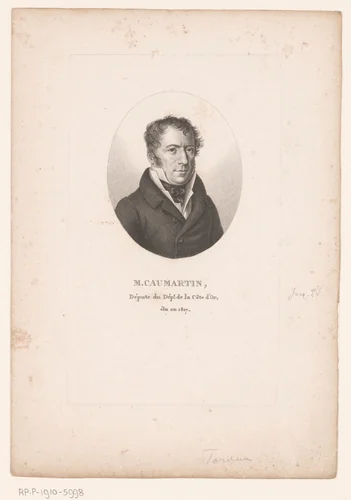
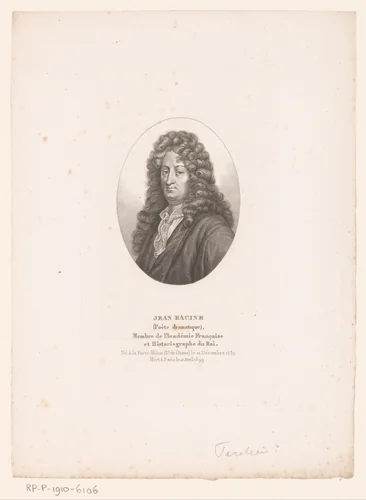
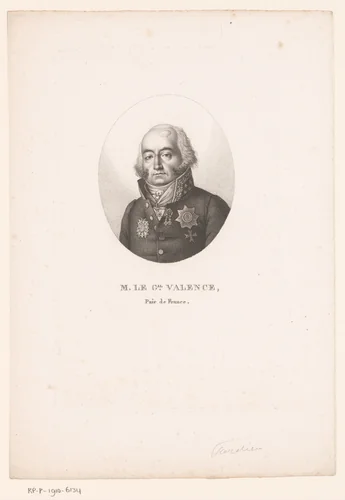
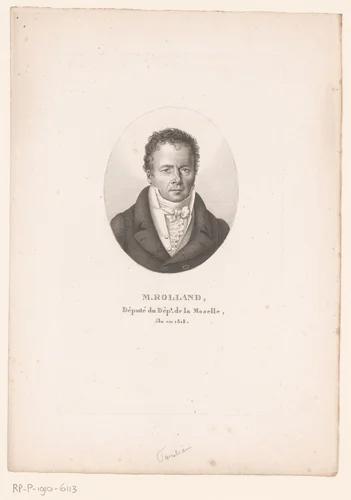
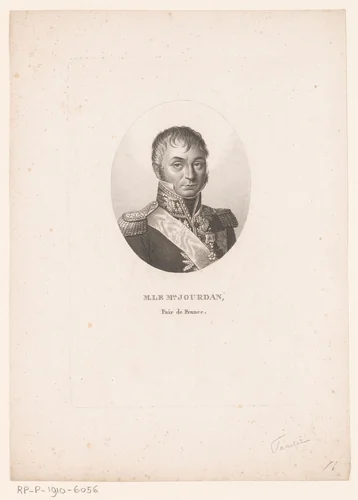
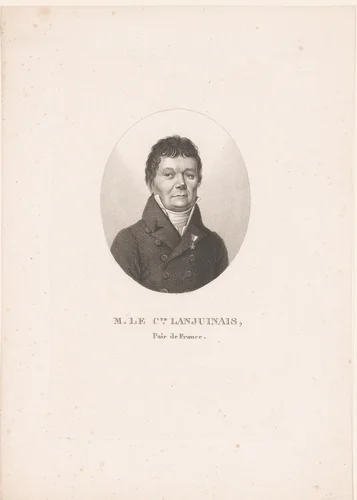
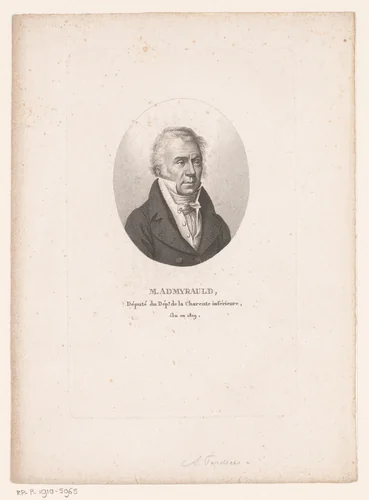
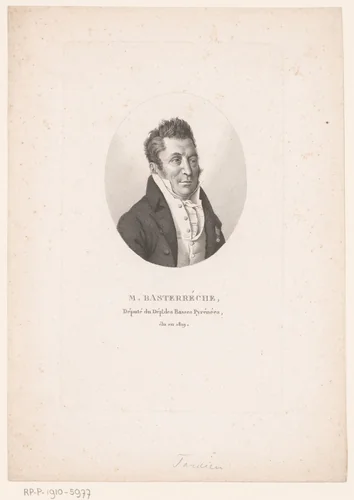
However, the core of Tardieu’s artistic practice lay in creating museum-quality engraved prints documenting leading figures of his day. His specialized works, many of which are held in international collections like the Rijksmuseum, often capture the likenesses of scientists, academics, and intellectuals whose profiles benefited from widespread circulation. His portfolio includes insightful portraits such as Portret van Antoine Gouan, the botanist, and Portret van Jean Astruc, the pioneering physician, subjects that demanded faithful anatomical representation alongside expressive detail.
The medium of copperplate engraving allowed Tardieu to establish himself as an essential communicator of intellectual capital. His work ensured that the faces of French and European innovation were recorded and distributed at a time when illustrated books and journals were the primary mechanisms for educational outreach. It is an understated truth that the cartographer and the portrait engraver, often working behind the scenes, played a disproportionately large role in shaping how the public understood both the evolving geography of the globe and the personalities driving scientific discovery.
Today, while few Ambroise Tardieu paintings exist, his legacy thrives through his fifteen-piece known catalog of prints. These technically superb examples of early 19th-century craft, now widely available in the public domain, continue to offer viewers and historians access to royalty-free depictions of the intellectual currents of post-Revolutionary France.