Alvan Clark
Alvan Clark (1804-1887) occupies a rare and curious position in 19th-century American history: a figure who achieved recognized mastery in two distinct, yet fundamentally technical, fields. While ultimately celebrated as the preeminent American maker of massive refractive astronomical lenses—instruments that revolutionized global observational science—Clark initially maintained a vigorous and lucrative career as a portrait painter during the antebellum period.
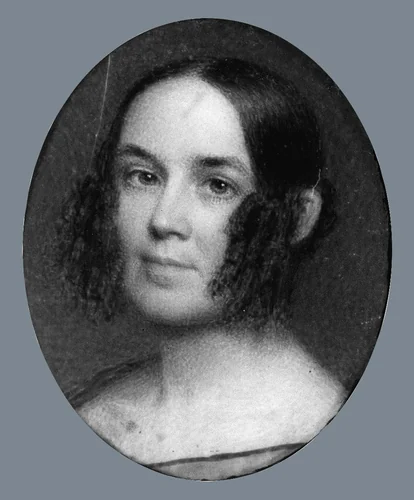
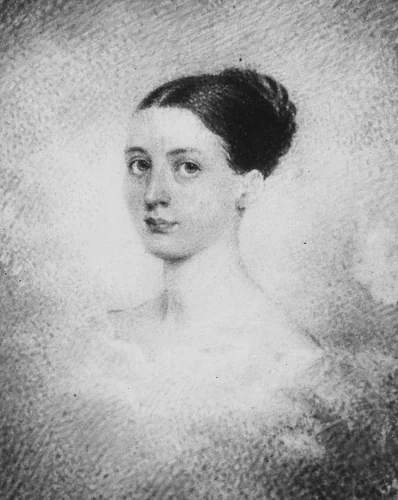
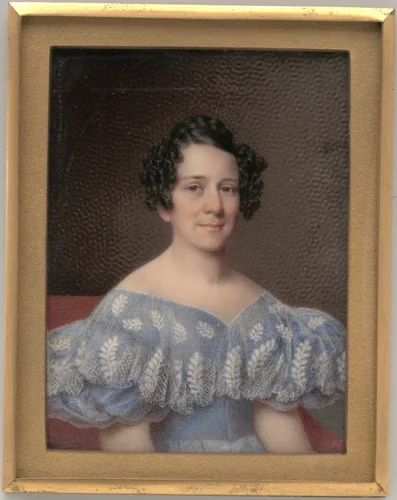
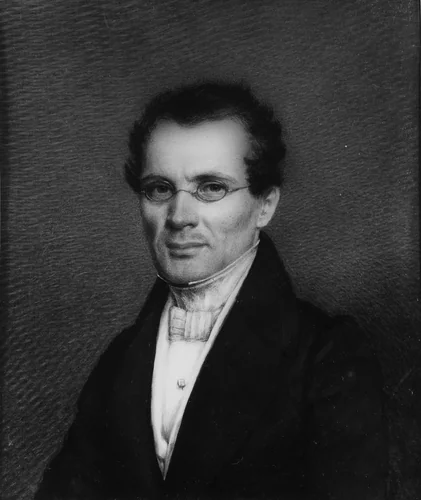
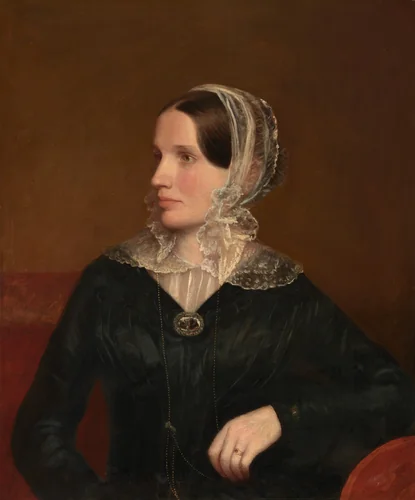
Active primarily between 1827 and 1845, Clark specialized in commissioned likenesses for the New England mercantile and professional classes. His surviving output, including the penetrating Dr. Samuel A. Bemis and the highly detailed Lovice Corbett Whittemore (Mrs. Thomas Whittemore), demonstrates a keen observational acuity. These Alvan Clark paintings possess a clarity of line and exacting realism that distinguishes them within the genre of early American portraiture. The technical precision evident in his brushwork hints at the deep understanding of optics and light necessary for his subsequent engineering career; it is a unique historical trajectory, transitioning from the capture of light in the studio to the capture of distant starlight via precision-ground glass.
Despite the relative brevity of his painting vocation, Clark’s work attained immediate high-quality recognition. His sitters, such as Mrs. Albert Bridges (Eliza Kimball), were typically rendered with restrained palettes and an emphasis on conveying status and decorum, securing him prominent commissions before he pivoted entirely to the production of refractors in the 1840s.
That these portraits continue to hold historical and artistic relevance is evidenced by their permanent placement in leading American institutions, including the National Gallery of Art and the Metropolitan Museum of Art. As these seminal documents of early American identity continue to shift into the public domain, their utility for scholarship expands. High-quality prints derived from these important original canvases ensure that this intriguing early facet of Alvan Clark’s formidable career remains accessible.
Source: Wikipedia · CC BY-SA 4.0