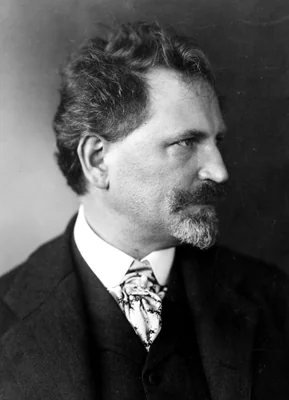
Alphonse Mucha
Alphonse Mucha, born Alfons Maria Mucha, was a Czech painter, illustrator, and graphic artist whose signature aesthetic indelibly defined the visual character of Art Nouveau in Belle Époque Paris. Operating at the height of his commercial power between 1893 and 1900, Mucha quickly transcended the boundaries of traditional graphic arts, creating stylized, decorative works that became recognized internationally as the quintessential images of the fin de siècle. Mucha arrived in Paris and rose to prominence almost instantaneously, fundamentally changing the expectations for theatrical advertising.
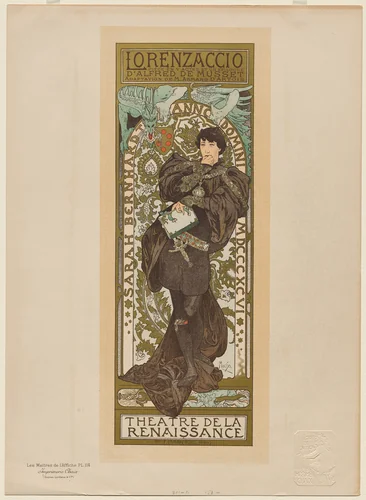
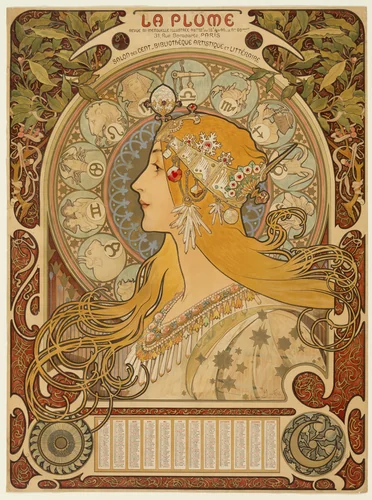
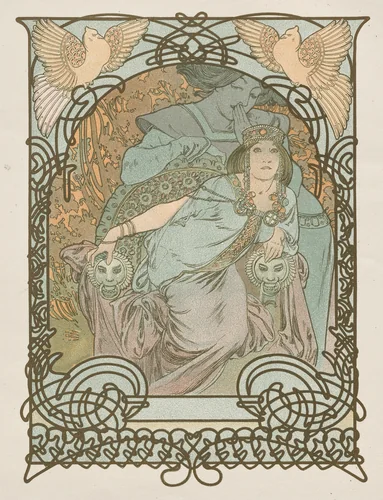
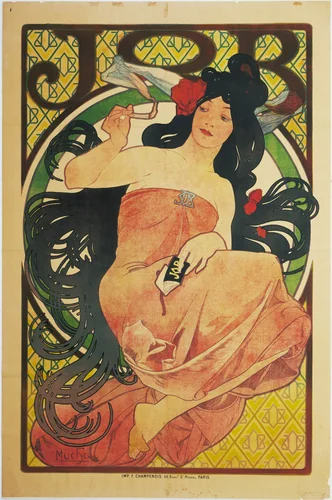
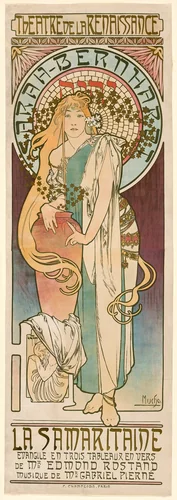
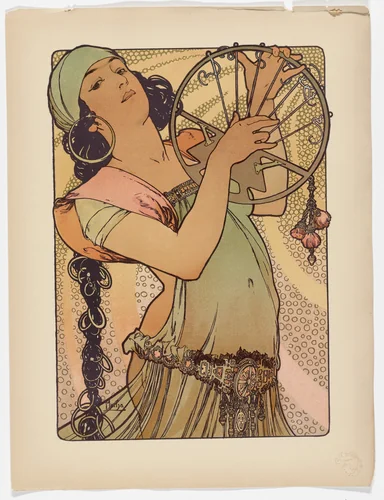
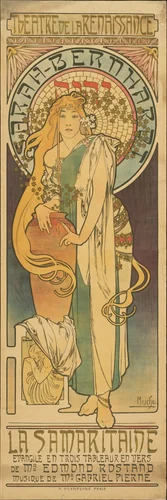
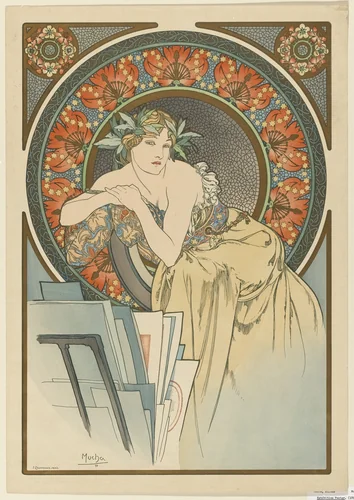
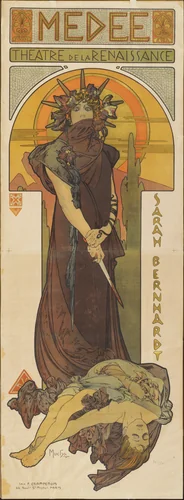
Mucha’s distinctive style focused on the idealized female form, rendered with elaborate flowing lines, meticulously detailed hair, and an array of Byzantine-inspired ornamentation. His compositions often featured a halo or circular motif behind the central figure, elevating the subject from a mere model into a goddess-like icon. This highly decorative approach transformed the poster medium from simple street advertisement into a collectible work of art. The pivotal moment in his career arrived in late 1894 when he accepted an urgent commission for Sarah Bernhardt, resulting in the groundbreaking poster for Gismonda. Bernhardt, recognizing the immense power and innovation of the design, immediately offered Mucha a six-year exclusive contract, cementing his position. This partnership produced some of the most enduring imagery of the period, including posters for Lorenzaccio and his stunning portrait of the actress, Sarah Bernhardt.
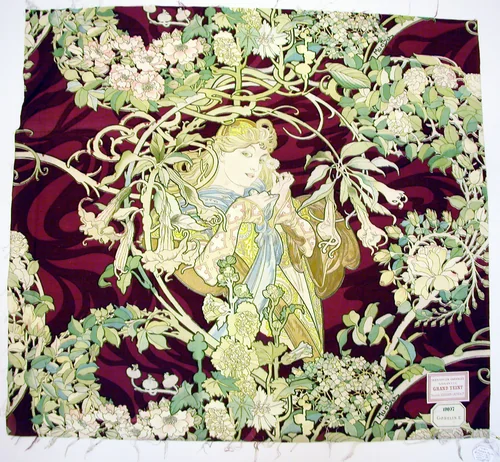
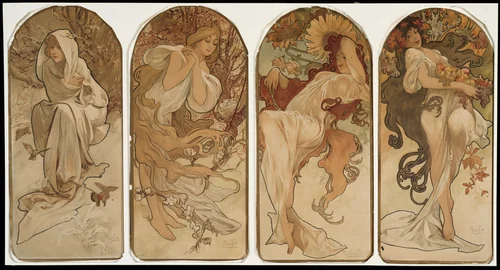
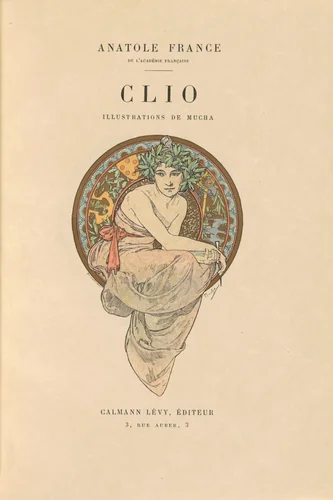
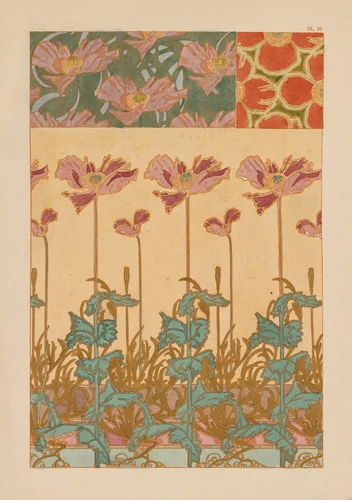
Mucha’s commercial output extended far beyond the stage, encompassing illustrations, elaborate decorative panels like Panel Entitled "Femme à marguerite" (Woman with Daisy), and sophisticated advertisements for products ranging from jewelry to biscuits. His visual vocabulary became ubiquitous across Parisian design. Interestingly, despite the global acclaim afforded to his popular posters and commercial lithographs, Mucha personally grew frustrated with the success of what he dismissively referred to as le style Mucha, believing his commercial triumphs detracted from his more serious aspirations as an oil painter.
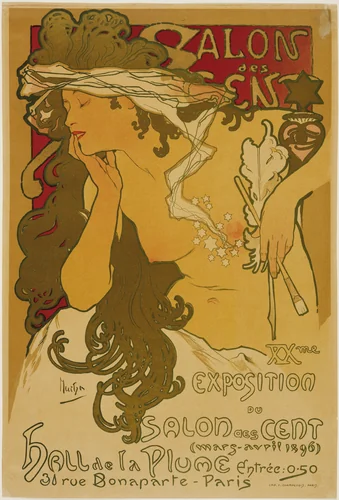
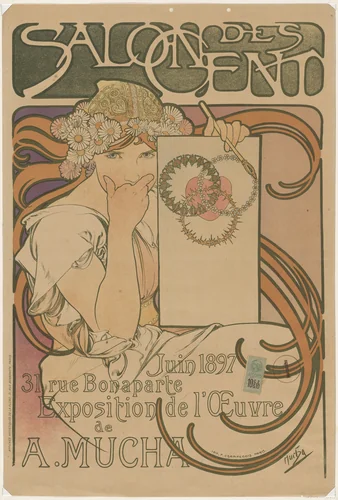
Nevertheless, works such as his contribution to the XXm Exposition du Salon des Cent and the distinct periodical cover Zodiaque ("La Plume") demonstrate his mastery of printmaking. His profound influence remains measurable through his ongoing presence in global collections, including the Museum of Modern Art, the Art Institute of Chicago, and the National Gallery of Art. Due to the wide acceptance of his work and its accessibility through the public domain, many classic Alphonse Mucha prints remain widely available today as high-quality reproductions, sustaining his legacy as the master architect of Art Nouveau.
Source: Wikipedia · CC BY-SA 4.0