Alonso Cano
Alonso Cano Almansa, born in Granada, stands among the most comprehensive and influential figures of the Spanish Baroque. Uniquely adept as a painter, sculptor, and architect, Cano’s career, noted in database records spanning 1600 to 1766, evidences a remarkable engagement across multiple artistic disciplines during Spain’s Golden Age. This versatility allowed him to shape both the pictorial narrative and the architectural environment of his era, exerting profound influence across ecclesiastical and civic commissions.
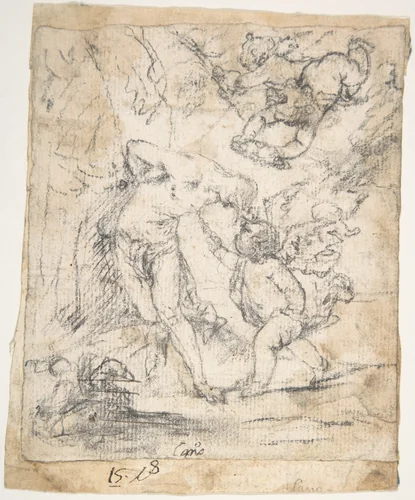
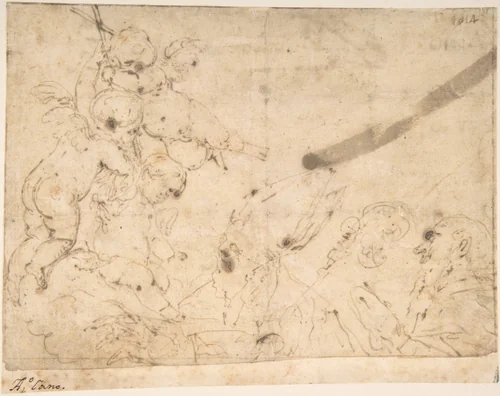
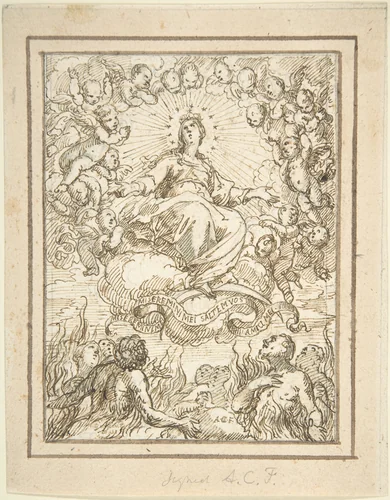
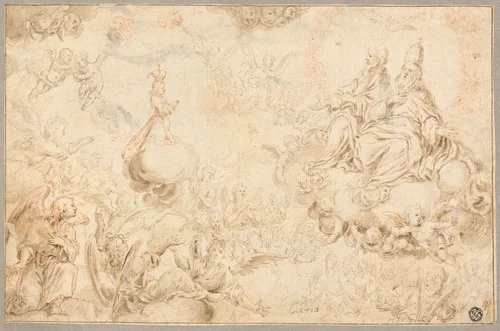
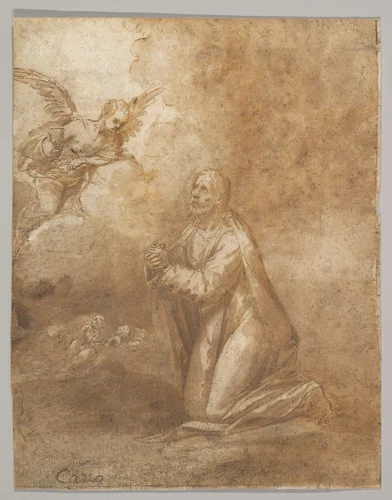
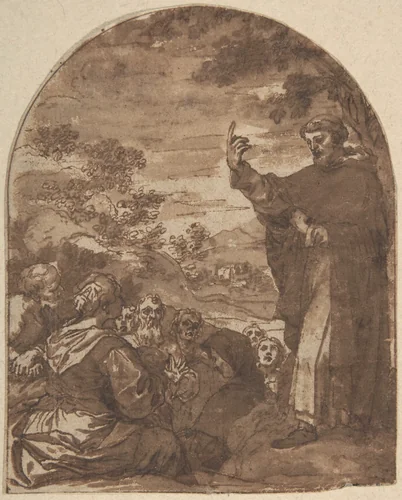
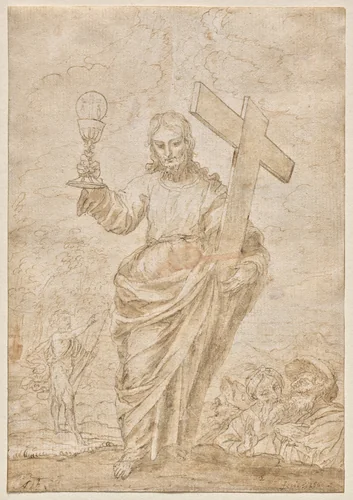
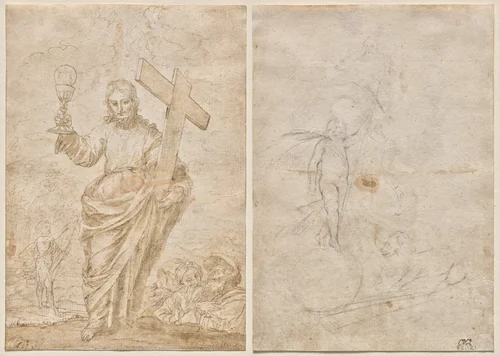
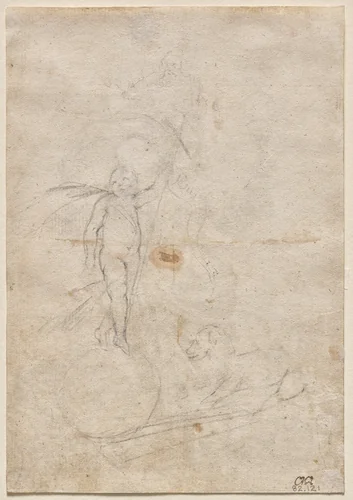
Cano’s pictorial output is distinguished by a refined clarity and emotional restraint, often opting for quiet piety over the dramatic intensity characteristic of some of his contemporaries. His surviving works, primarily drawings and preparatory studies, offer critical insight into his compositional methods. Devotional works such as Angels Ministering to St. Sebastian illustrate his capacity for detailed figural representation, while Virgin Interceding for Those in Purgatory emphasizes his delicate handling of sacred light and form. Other extant drawings, including Three Putti Holding Cross Before Two Male Saints and The Holy Infant Adoring the Trinity, further underscore his methodical preparation for large-scale commissions.
Cano’s reputation was established not just by his major sculptural and architectural commissions, but also by the precision evident in his more intimate two-dimensional output. It is perhaps a testament to his high standards that so few of his preparatory drawings have survived, making their preservation within institutional holdings paramount.
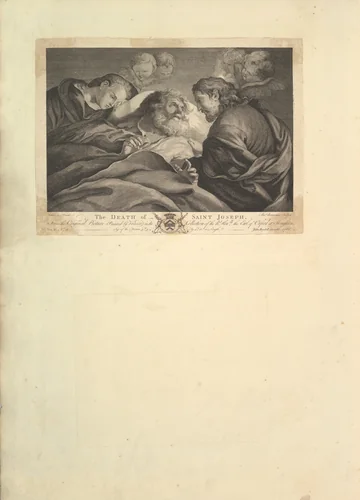
Today, his works are secured in prestigious international collections, including the Metropolitan Museum of Art, the Art Institute of Chicago, and the Cleveland Museum of Art, testifying to his enduring significance beyond Spain. The scarcity of original Alonso Cano paintings and drawings ensures that his entire graphic oeuvre, including his solitary known print, remains highly valued. As works from this period continue to enter the public domain, the legacy of Alonso Cano is accessible globally, allowing for the creation of high-quality prints and the continued scholarly appreciation of his distinctive contribution to the visual arts.
Source: Wikipedia · CC BY-SA 4.0
![Madonna and Child [?] by Alonso Cano, drawing, 1600-1850](https://img.artbee.org/f906987d-2278-4158-8a2c-e3e52db8d19b/small.webp)