Alma Thomas
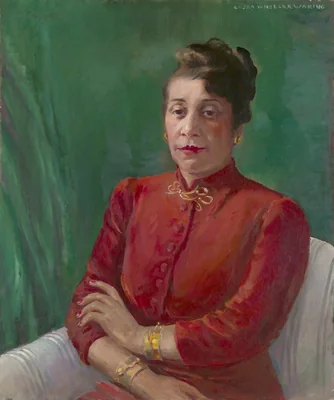
Alma Woodsey Thomas (1891–1978) stands as a major American painter of the 20th century, achieving critical recognition following decades dedicated to primary education. Based in Washington, D.C., throughout her life, Thomas built a foundational career teaching art at Shaw Junior High School for thirty-five years. It was only after retiring in 1960 that she dedicated herself fully to the artistic innovations that define her mature abstract style. Her significance was historically confirmed when she became the first African-American woman to have her work included in the White House’s permanent art collection.
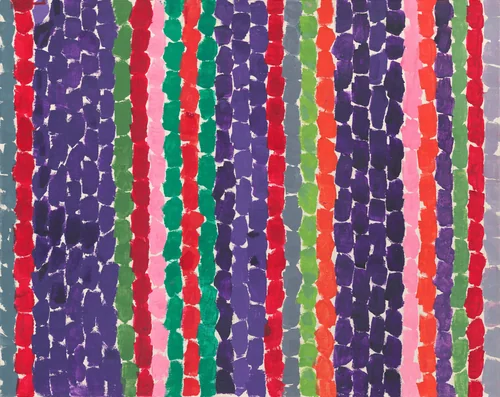
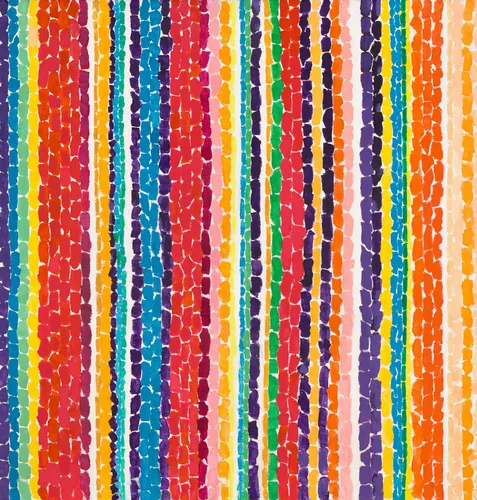
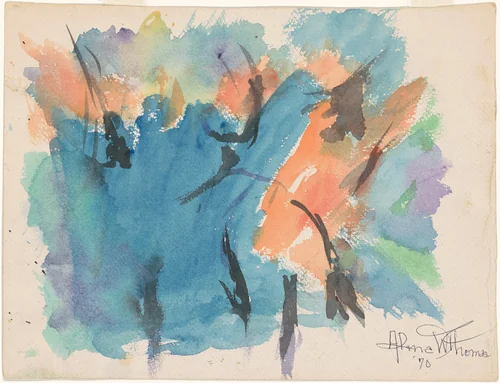
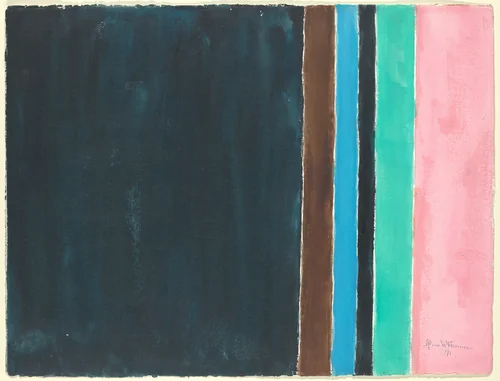
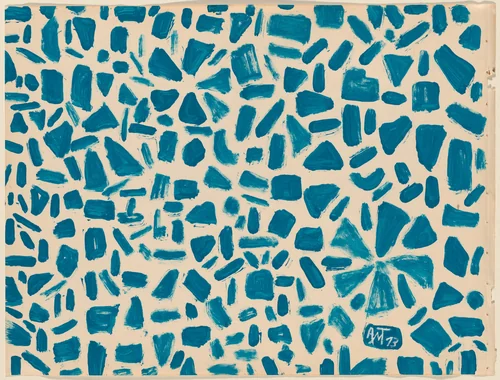
Thomas’s most celebrated output, concentrated primarily between 1969 and 1973, consists of vibrant, colorful abstract compositions often identified within the lineage of Color Field painting, yet possessing a highly individualized rhythmic structure. Rejecting sharp lines and conventional geometric forms, Thomas developed a signature technique of applying short, broken brushstrokes of bright color in parallel, vertical, or concentric patterns. These works—including Autumn Drama and Pansies in Washington—are widely praised for their exuberant energy and chromatic vitality. This intense period of activity following her retirement gifted the world a joyous series of Alma Thomas paintings, demonstrating a profound late-career awakening that few artists achieve.
Despite working in high abstraction, Thomas maintained a playful and intimate connection to the natural world. Her titles, including the whimsical Tiptoe Through the Tulips, often hint at atmospheric effects of light, flowers, and seasonal change observed from her home studio. This understated wit contrasts sharply with the high seriousness of much contemporary abstraction. Her late-career productivity is remarkable, proving that artistic genius is often merely delayed, not absent. Today, her works are housed in major institutions, including the National Gallery of Art, ensuring her influence remains widespread. Furthermore, high-quality prints of her significant public domain works make her distinctive chromatic vision accessible to a global audience.
Source: Wikipedia · CC BY-SA 4.0