Allen & Ginter
Allen & Ginter, a tobacco manufacturing company established in Richmond, Virginia, circa 1880 by John F. Allen and Lewis Ginter, occupies an essential yet often overlooked position in the history of commercial art and visual culture. Though their primary business was the production of cigarettes, the firm’s most enduring legacy is the creation and mass-market distribution of the collectible cigarette card in the United States. This strategic innovation transformed simple product packaging into a new medium for popular visual ephemera, defining early American advertising through miniature lithographic portraits.
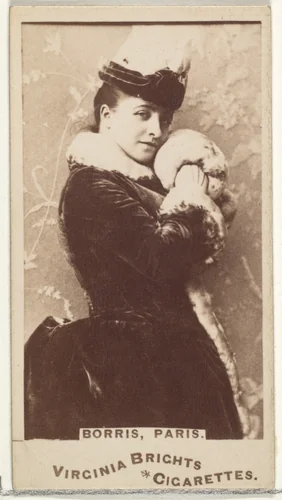
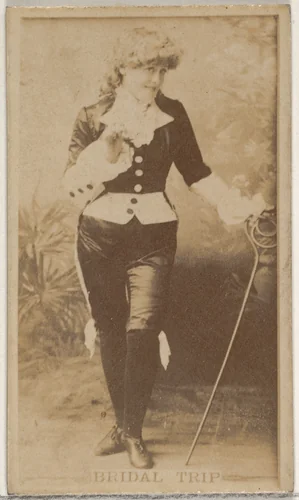
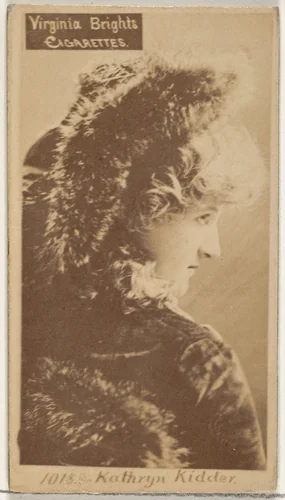
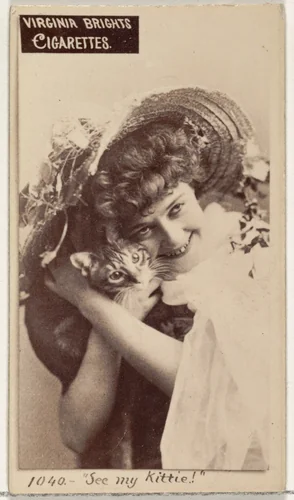
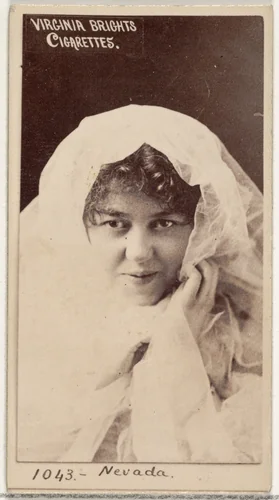
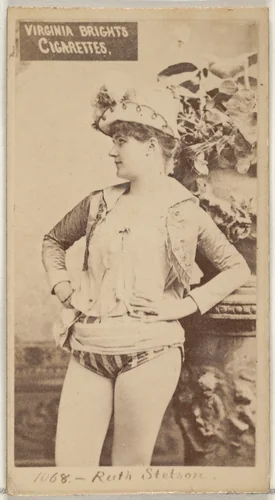
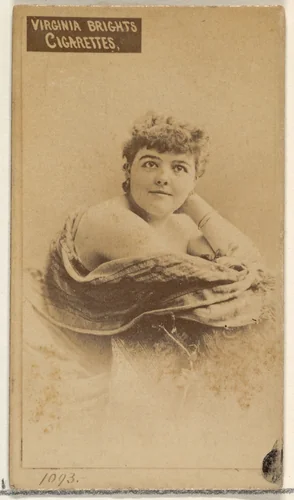
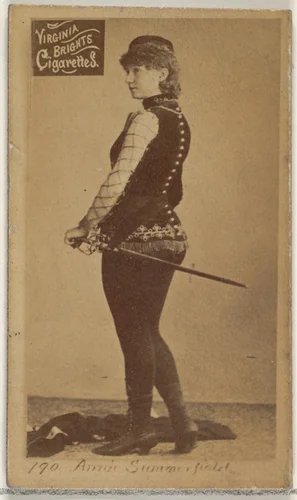
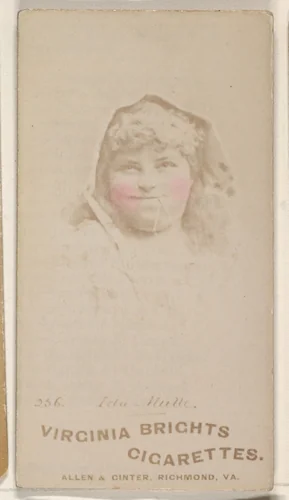
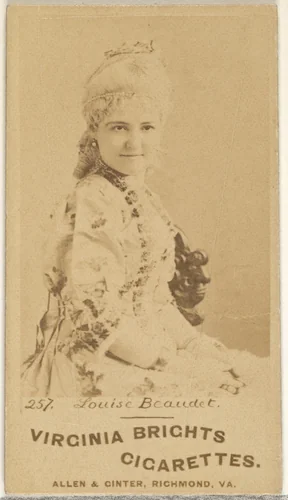
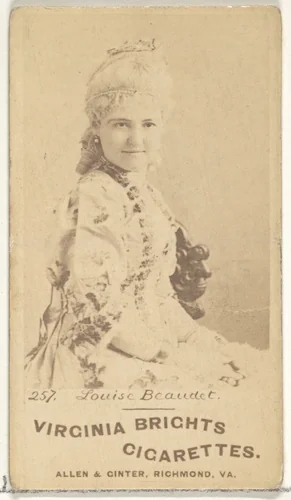
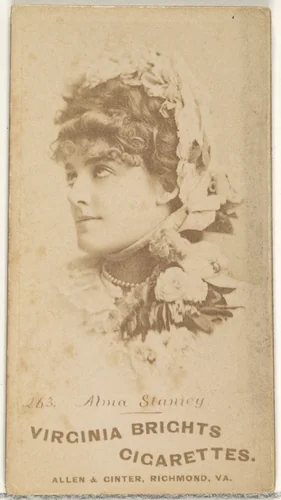
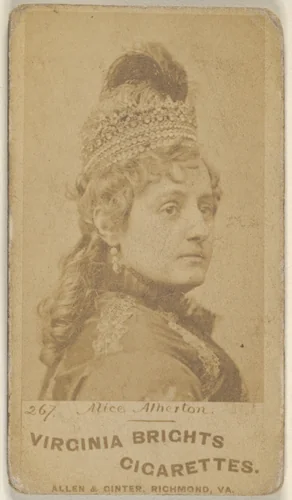
Active primarily between 1883 and 1885, A&G swiftly mastered the art of serial imagery, issuing dozens of distinctive themed sets. The nine documented prints and six photographs connected to their early production demonstrate a focus on engaging, easily digestible visual narratives. These small, highly detailed chromolithographs served the dual purpose of stiffening the cigarette packs and capturing the public’s imagination. Featured subjects ranged across contemporary interests, including the theatrical stage, idealized figures, and burgeoning sports personalities.
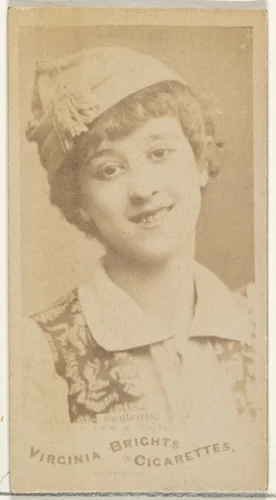
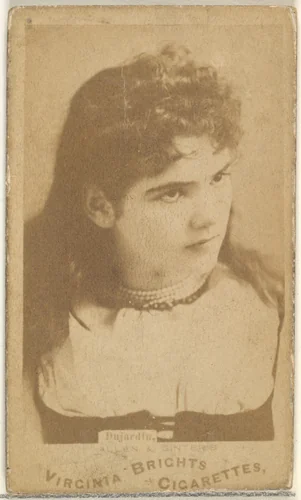
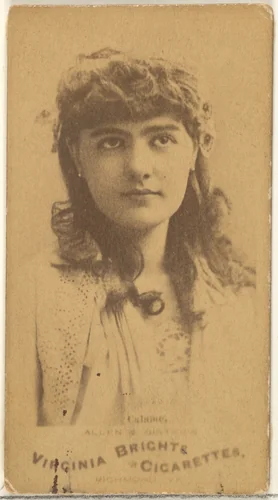
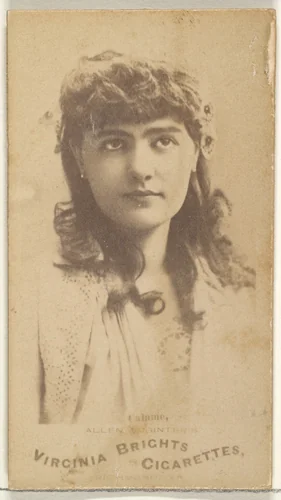
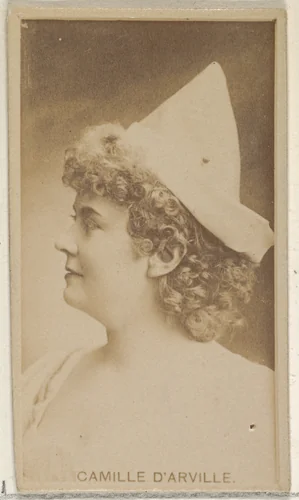
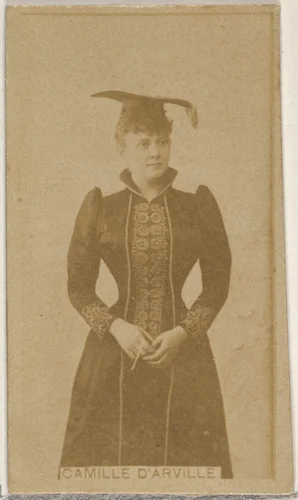
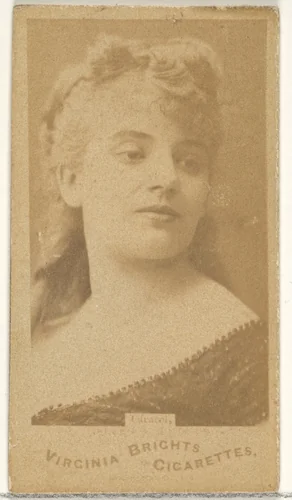
From the Actors and Actresses series (N45), consumers collected portraits such as Mlle. Rositi, offering an accessible glimpse into the world of performance. The popular Girls and Children series (N65) further utilized this format to promote specific tobacco products, including Opera Puffs and Richmond Gem Cigarettes.
Allen & Ginter displayed a sophisticated understanding of celebrity and mass appeal, ensuring their cards included nationally known figures alongside models. The firm pioneered the inclusion of early athletic icons like baseball players Charles Comiskey, Cap Anson, and Jack Glasscock, cementing the connection between popular culture and commercial collectibles. The roster was further diversified by figures of mythic stature, notably the frontiersman Buffalo Bill Cody. This blending of idealized artistic subjects with nascent celebrity endorsements cemented the cigarette card as a crucial precursor to modern trading cards. Their significant graphic output is now recognized for its historical and artistic value, with many original Allen & Ginter prints preserved in institutional holdings like the Metropolitan Museum of Art. A substantial volume of their imagery is now in the public domain, where it remains sought after as high-quality prints and downloadable artwork.
Source: Wikipedia · CC BY-SA 4.0