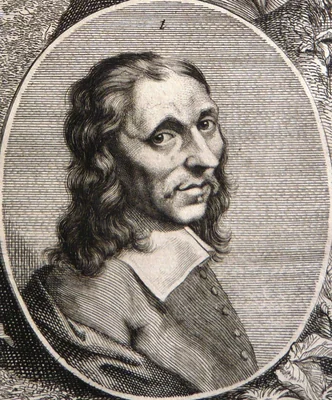
Allart van Everdingen
Allart van Everdingen (1621–1675) was a Dutch Golden Age master whose impact extended beyond his native Haarlem, fundamentally altering the conventions of 17th-century Dutch landscape art. Initially known as a highly skilled painter and printmaker adept in both etching and mezzotint, Everdingen is historically significant for being the first major Dutch artist to introduce the rugged, sublime scenery of Scandinavia into the national canon. His extensive travels through Norway and Sweden provided the visual vocabulary for a new genre—the Northern landscape—characterized by crashing waterfalls, steep cliffs, and isolated timber cabins.
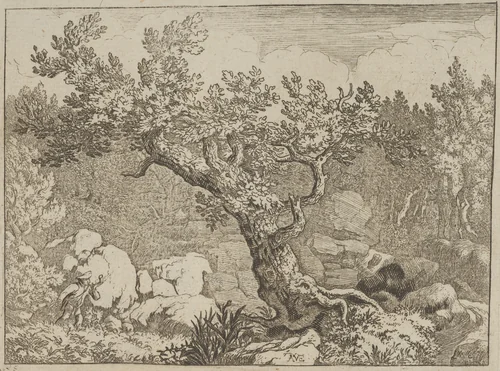
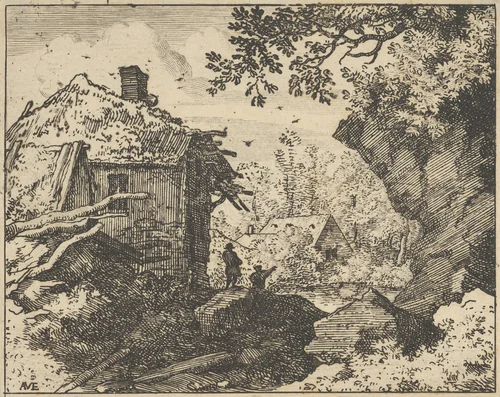
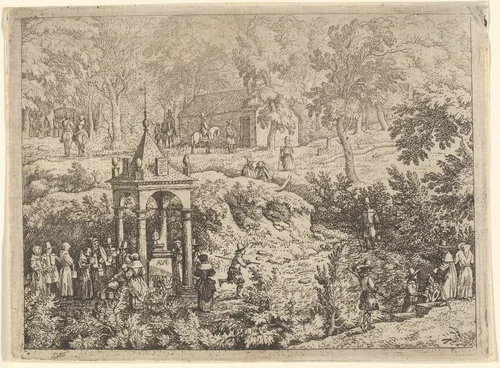
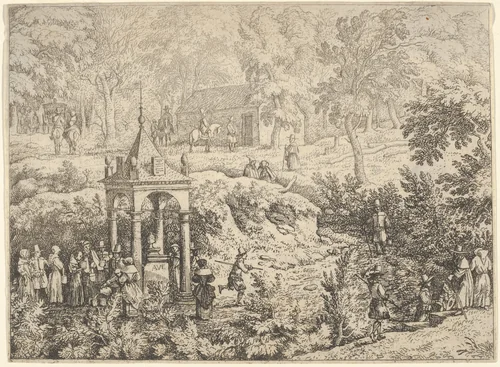
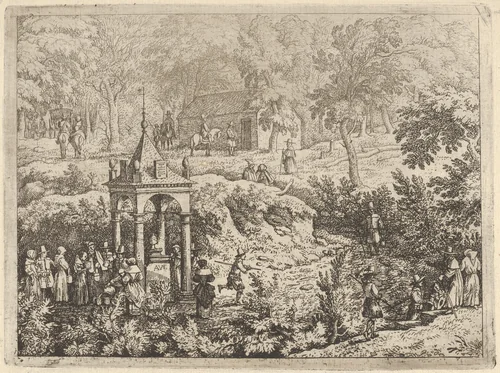
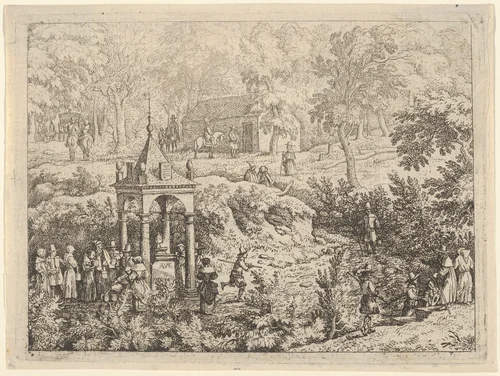
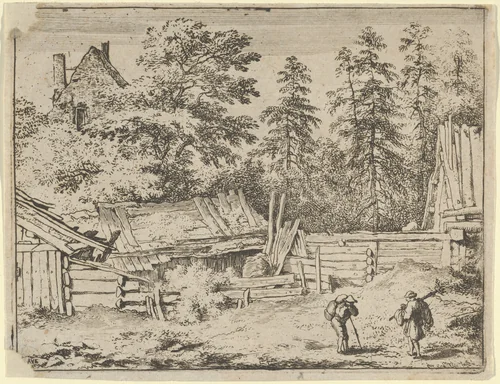
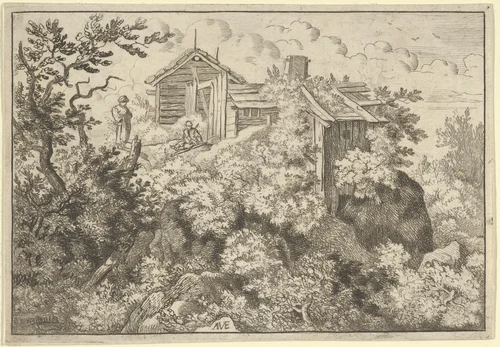
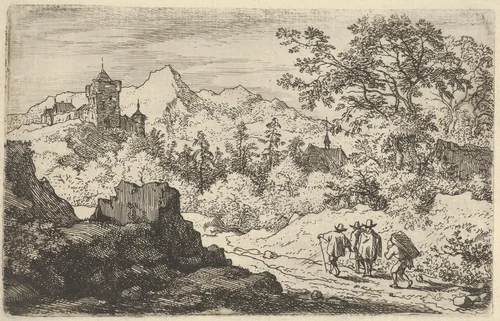
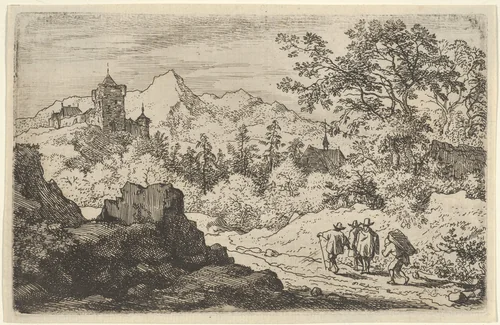
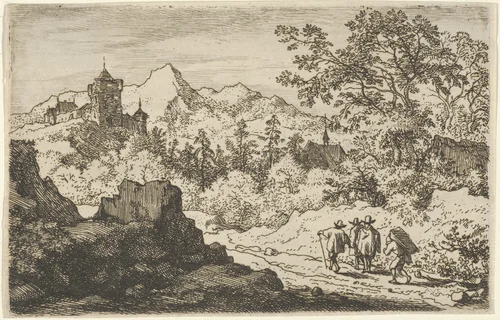
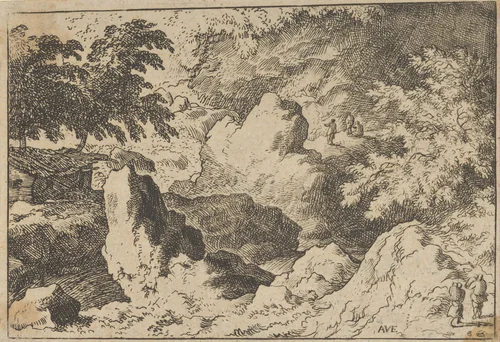
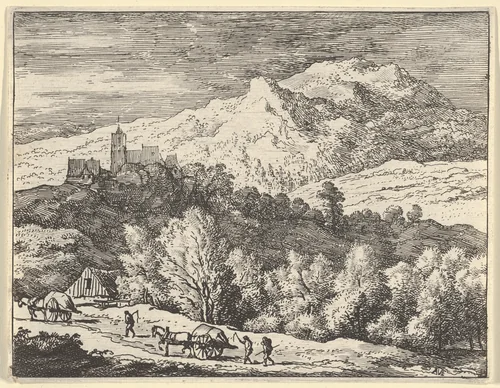
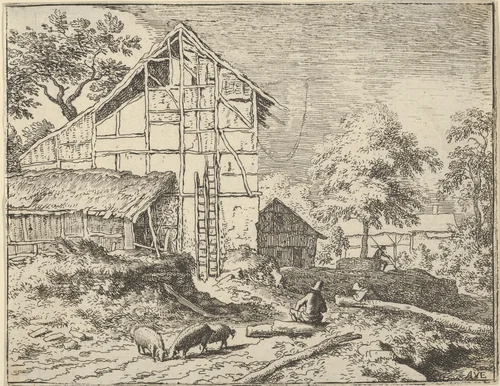
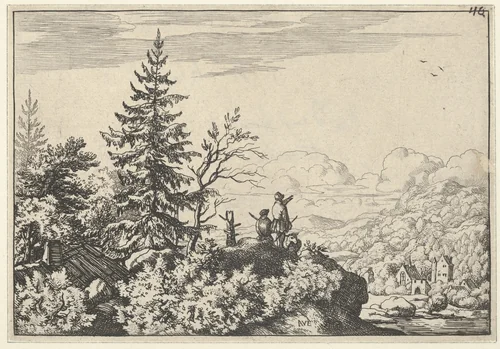
Prior to Everdingen, Dutch landscape painters predominantly focused on domestic, familiar lowlands or idealized Italianate vistas. Everdingen’s work, by contrast, embraced the raw, untamed quality of the wilderness, establishing a new visual aesthetic. While his paintings found success, his reputation was solidly built upon his extensive production of Allart van Everdingen prints. These etchings, often produced in series, convey remarkable atmospheric tension and technical precision, making them highly desirable among collectors of the period.
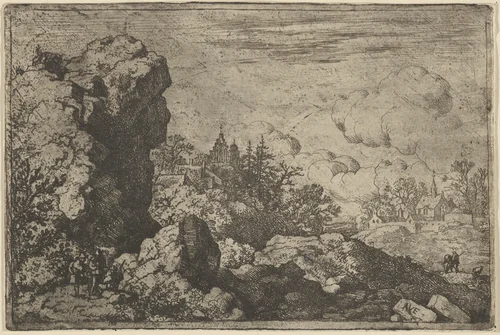
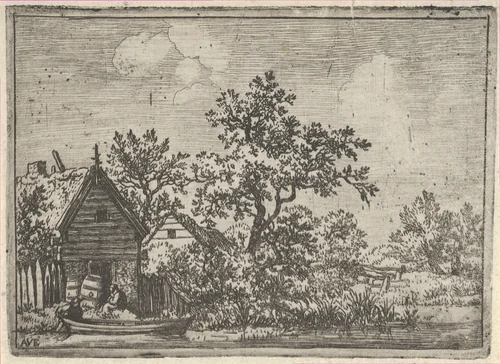
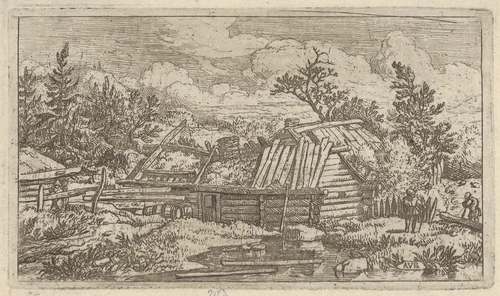
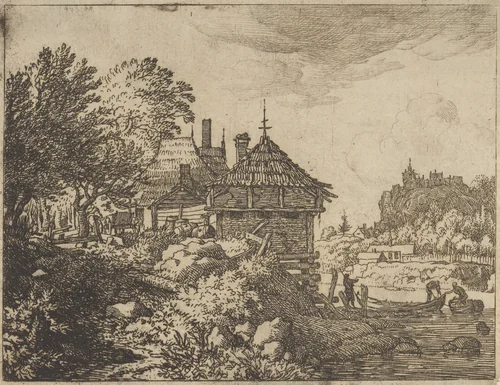
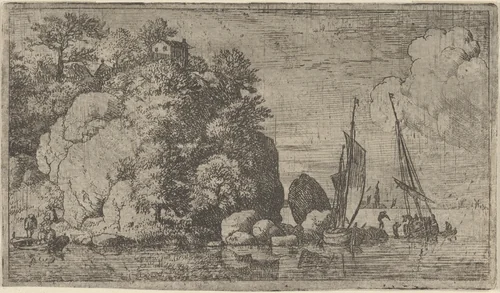
Works such as the atmospheric Fisherman in a River Landscape and the dramatic Landscape with Large Rock showcase his ability to render the turbulent textures of stone and water with nuanced detail. He was a pioneer in capturing the sheer scale and raw energy of the wilderness, frequently contrasting the miniature human presence, as seen in Sea Piece with Three Figures to the Right or Figures in Rowing Boats in a Rocky Cove, Sailing Ships Beyond, against overpowering natural environments. It is a telling detail of the era that the Dutch, otherwise comfortable with their cultivated, familiar lowlands, found such profound and sustained resonance in his depictions of distant, rocky desolation.
Everdingen’s successful integration of this "rough" style secured him a lasting place in art history, influencing subsequent generations of landscape artists. The depth of his recorded output, encompassing numerous prints and drawings, demonstrates a consistent technical mastery throughout his active period, circa 1621 onwards. Today, researchers and enthusiasts benefit from the widespread availability of his visual documentation; much of this historically important material is preserved in the public domain. His artistic achievements are recognized internationally, with high-quality prints and original drawings held as cornerstones in prestigious collections globally, including the Metropolitan Museum of Art and the National Gallery of Art.
Source: Wikipedia · CC BY-SA 4.0