Algemeen Handelsblad
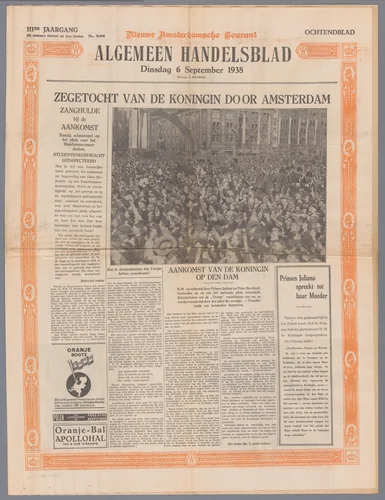
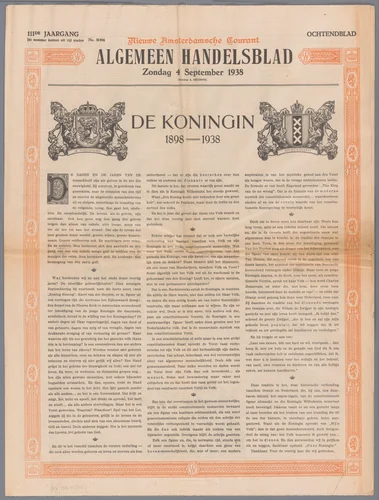
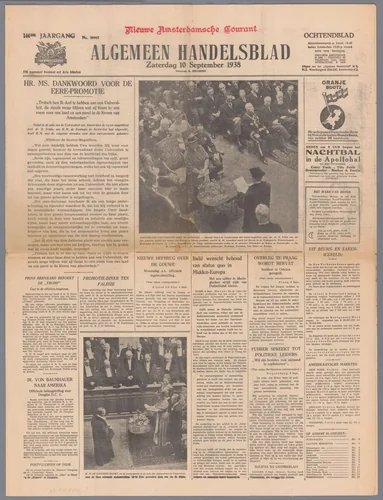
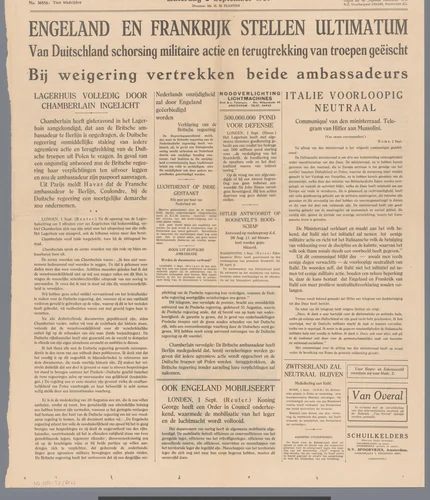
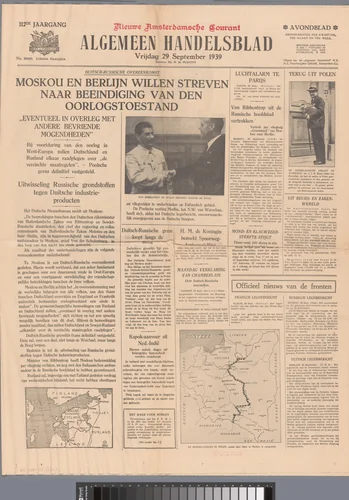
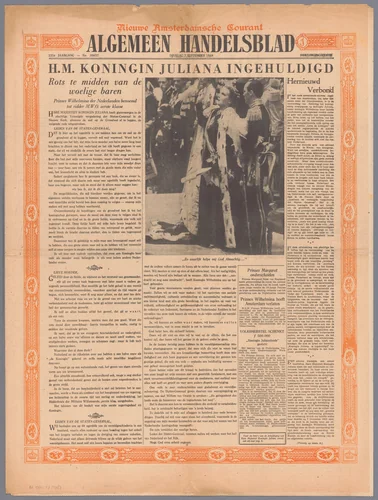
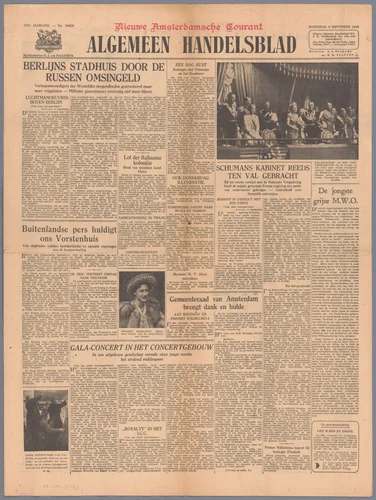
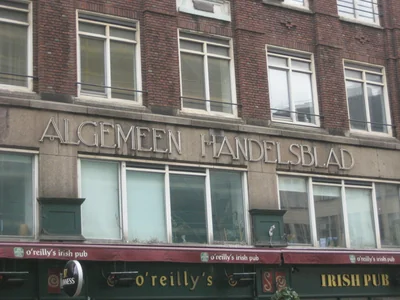
Algemeen Handelsblad, founded in Amsterdam in 1828 by stockbroker Jacob Willem van den Biesen, stands as one of the most historically significant entities in Dutch media. Originally conceived as a liberal, economically focused daily, the paper’s longevity and influence ensured its deep engagement with the national visual culture, particularly during the mid-twentieth century. Although celebrated principally for its journalistic output, the paper’s graphic and publication departments produced striking visual works that have since achieved museum-quality status, focusing on commemorative design and key political portraiture.
The most concentrated period of dedicated visual output spanned the years 1938 to 1948. Works documented in institutional collections, including the Rijksmuseum, often feature subjects of national resilience and unity, reflecting the tumultuous environment of the era. The recurring artistic motif of Wilhelmina Regina underscores the paper’s function in promoting and solidifying the Dutch national identity during times of intense political upheaval. These highly recognizable designs exemplify effective graphic communication; they were frequently distributed as special newspaper supplements or high-quality prints, blurring the line between news medium and collectible art.
It is perhaps a quiet irony that a publication built on the rigorous analysis of finance and commerce would leave behind a distinct visual legacy defined by idealized monarchical and national portraiture. This body of work confirms the central role Algemeen Handelsblad played in communicating stability through visual mediums when circumstances dictated uncertainty.
The paper maintained its independent liberal trajectory for over 140 years, until its seminal merger with the Nieuwe Rotterdamse Courant in 1970, which resulted in the creation of NRC Handelsblad. While the physical newspaper evolved, the earlier graphic works endure as valuable historical documents. Because much of the material from the 1938-1948 period has entered the public domain, these seminal designs are widely accessible. Researchers and collectors frequently seek downloadable artwork and high-quality prints of the commemorative designs, demonstrating the enduring power of this newspaper’s contribution to graphic history far beyond the printed column.
Source: Wikipedia · CC BY-SA 4.0