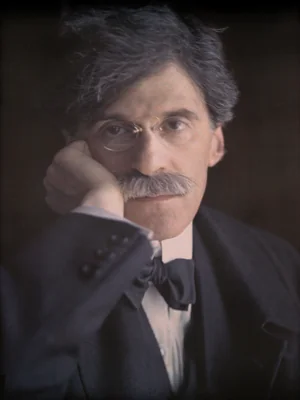
Alfred Stieglitz
Alfred Stieglitz (1864-1946) remains one of the most pivotal figures in the history of American modernism. His fifty-year career was dedicated not only to mastering the photographic medium but fundamentally changing its cultural perception, transforming it from a mechanical documentation tool into an accepted, rigorous fine art form. This achievement required both innovative technical skill behind the camera and sustained promotion within the institutional art world.
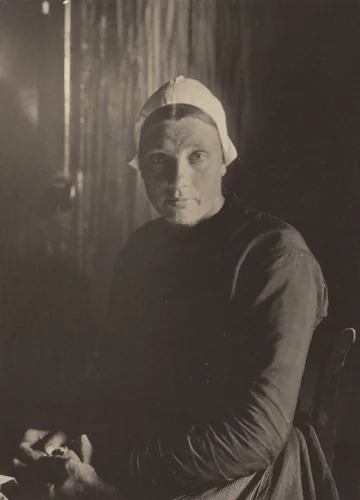
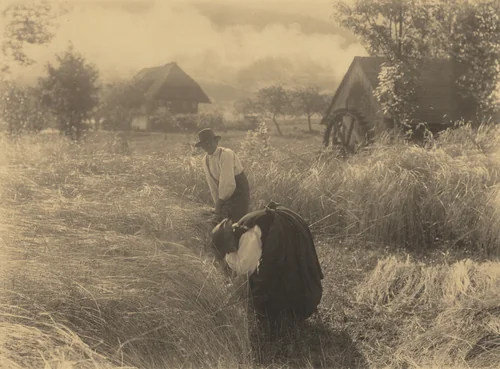
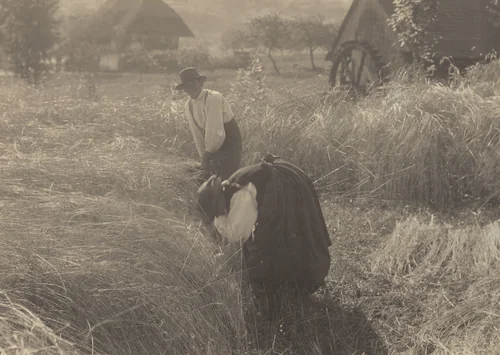
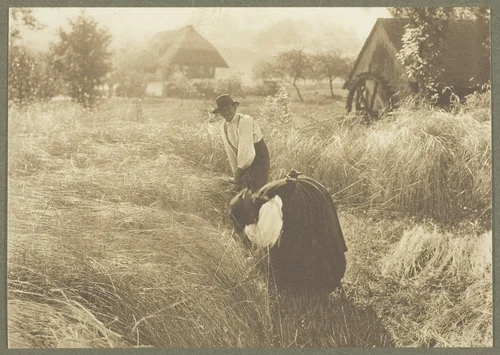
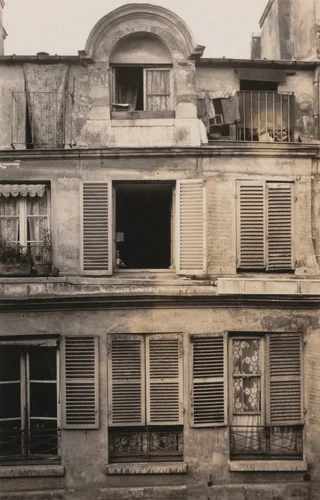
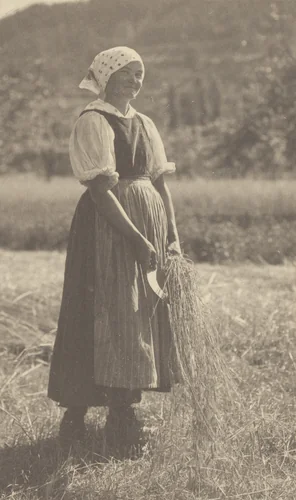
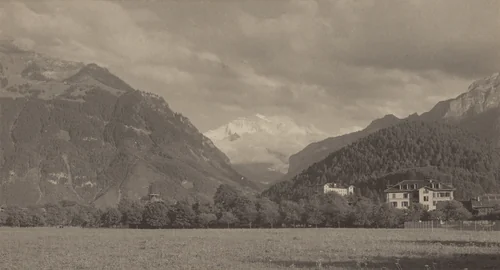
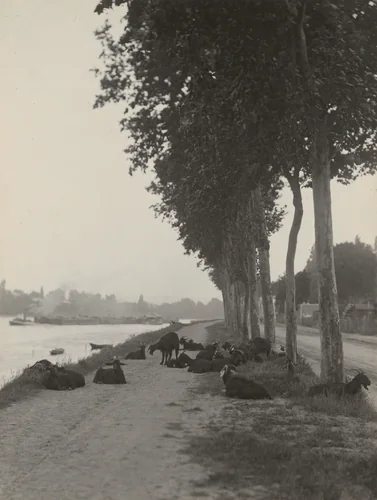
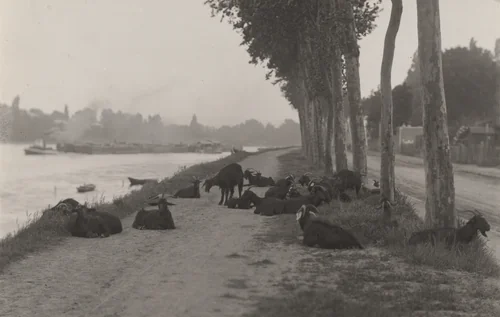
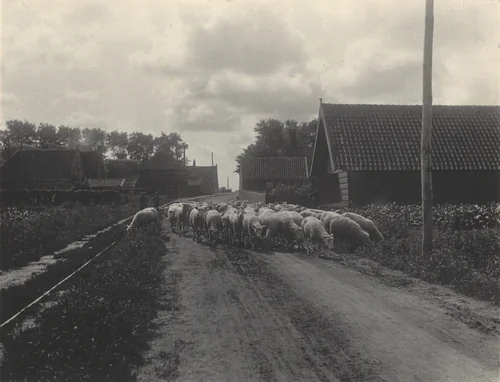
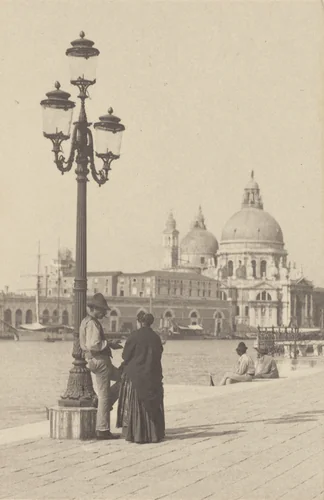
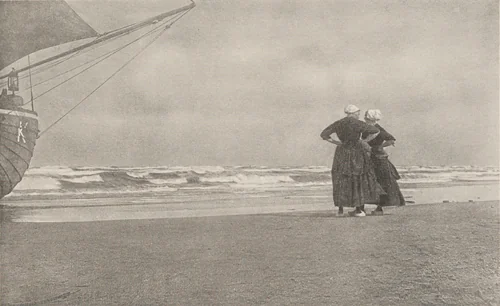
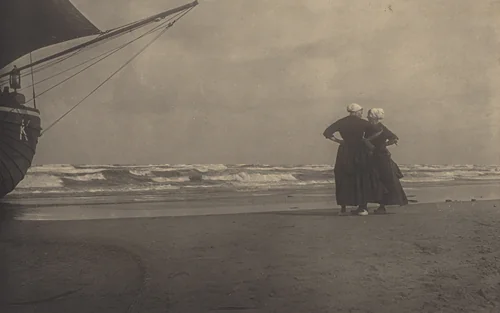
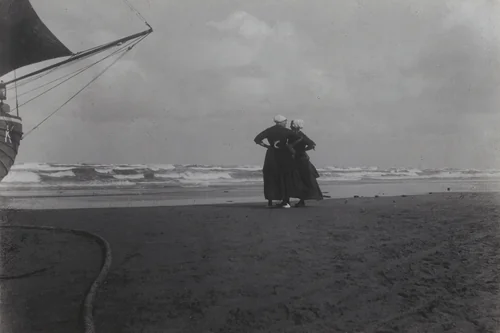
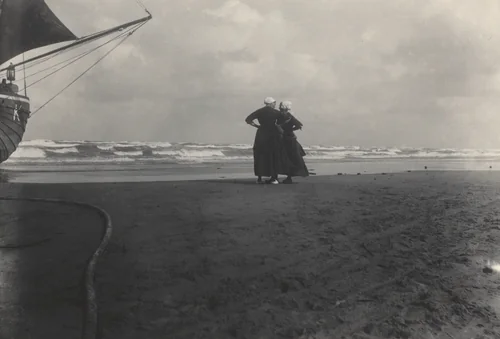
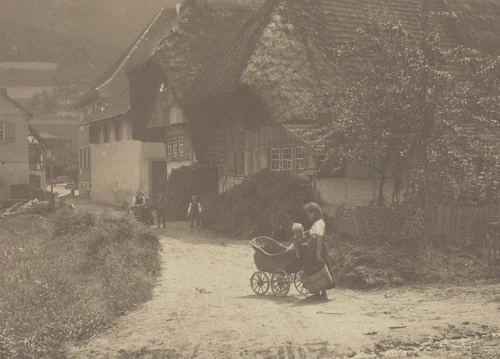
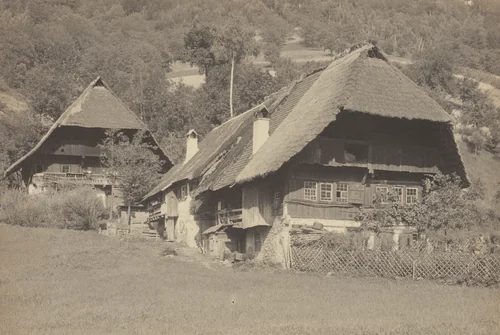
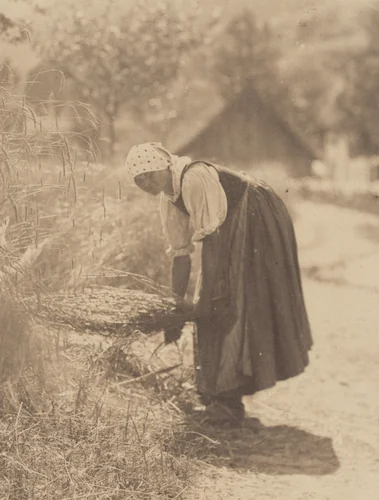
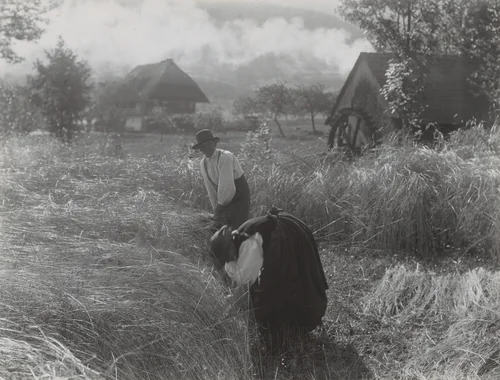
Stieglitz began honing his craft while studying in Europe, resulting in works like Family & Friends at Mittenwalk and early studies taken in Bavaria (1879-1886). These compositions demonstrate his immediate commitment to technical excellence and emotional depth, focusing on everyday life and natural atmospherics. His subsequent leadership in America established the Photo-Secession group, a collective dedicated to advancing the aesthetic legitimacy of the photograph, solidifying its place for museum-quality display.
Crucially, Stieglitz’s influence extended beyond his own lens. Recognizing the aesthetic inertia of the American art scene, he became a relentless advocate for international avant-garde painting and sculpture. His influential quarterly journal, Camera Work (1903–1917), served as a sophisticated vehicle for promoting pictorial photography alongside modern design. Concurrently, through his seminal New York galleries, notably 291 and The Intimate Gallery, he introduced seminal European figures such as Auguste Rodin, Pablo Picasso, and Paul Cézanne to American audiences decades before they achieved widespread acceptance. This aggressive curatorial strategy cemented him as perhaps the most important non-artist to shape the direction of 20th-century American aesthetics.
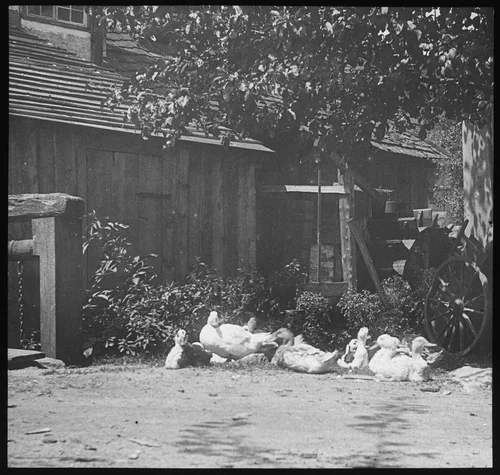
His personal life also intertwined with his artistic mission; his marriage to the celebrated painter Georgia O’Keeffe resulted in one of modern art’s most iconic creative partnerships and thousands of definitive photographic portraits. Today, much of Stieglitz’s early photographic catalog, including studies from Freienwalde a. O., is housed in major institutions like the National Gallery of Art. Because many of his works are now in the public domain, it is possible for viewers worldwide to obtain high-quality prints and fully appreciate the depth of his technical and curatorial legacy.
Source: Wikipedia · CC BY-SA 4.0