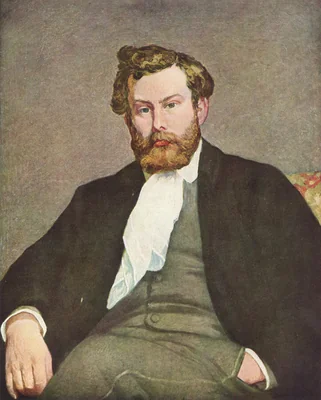
Alfred Sisley
Alfred Sisley (1839-1899) holds a unique and distinguished position within the foundational generation of Impressionism. Though he spent the majority of his life immersed in the burgeoning art scene of France, his status as a British citizen remained steadfast, providing a subtle biographical duality that perhaps reflected his artistic commitment: consistent and distinct. He was fundamentally a painter of place, committing himself almost exclusively to the landscape genre throughout his active career between 1859 and 1878.
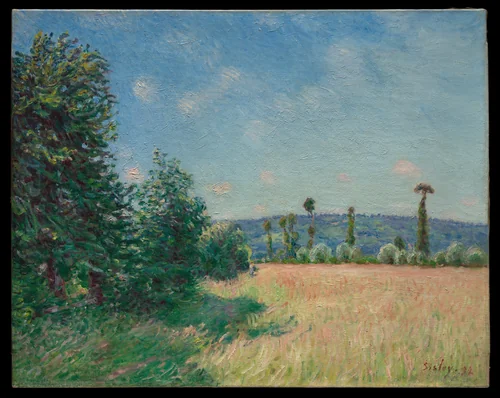
Sisley was recognized by his contemporaries as the most devoted proponent of painting en plein air, adhering strictly to the practice of executing works outdoors to capture immediate atmospheric and optical effects. Unlike many of his colleagues, including Renoir and Pissarro, who often ventured into figure painting or experimented with later stylistic evolutions, Sisley found that the core methodology of Impressionism provided a complete framework for his artistic vision. His dedication was unwavering, making figure work a rare deviation from his focus on light, weather, and the flow of water.
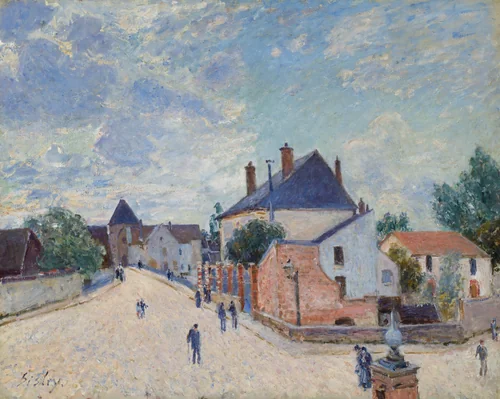
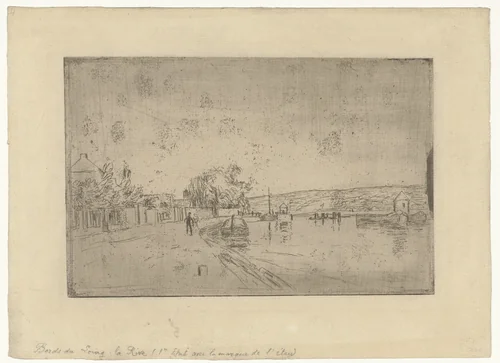
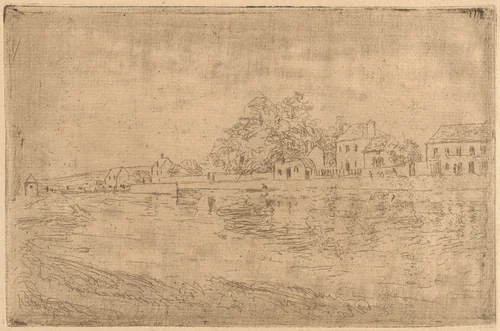
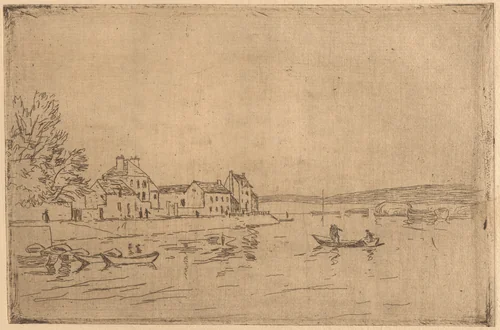
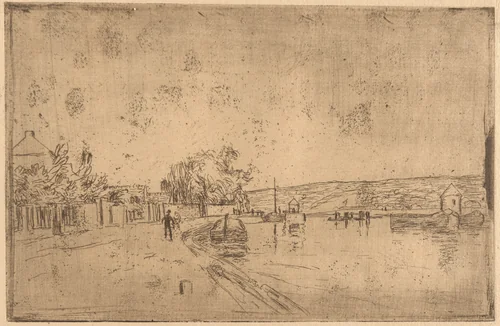
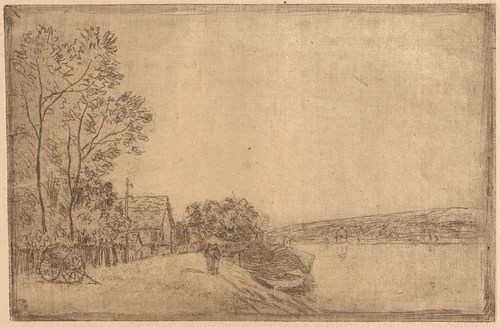
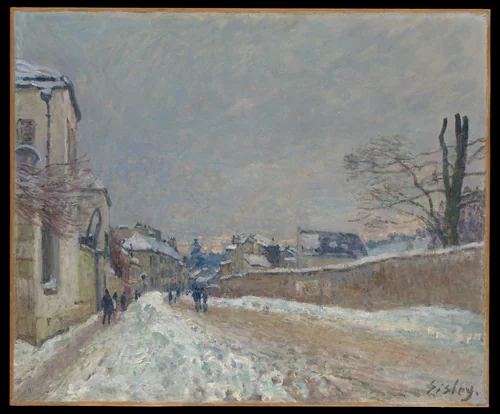
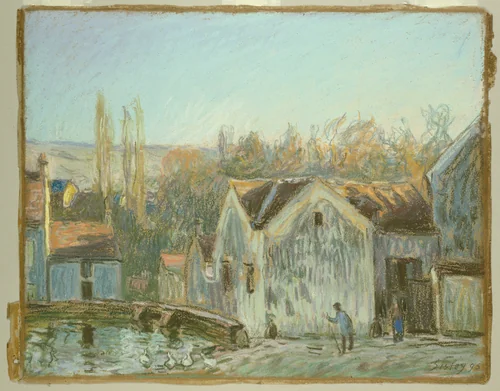
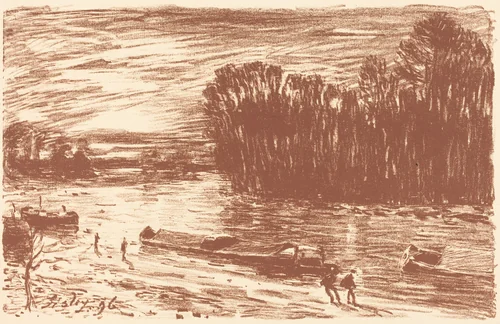
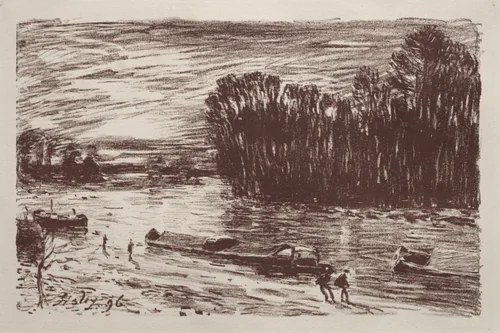
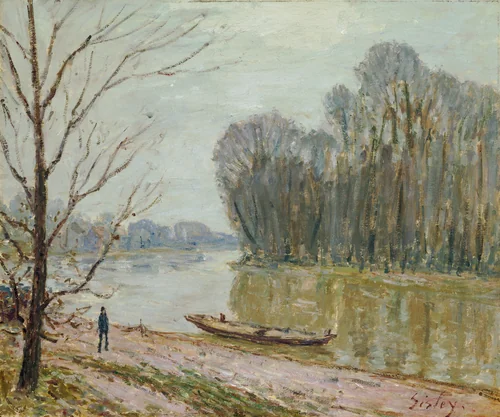
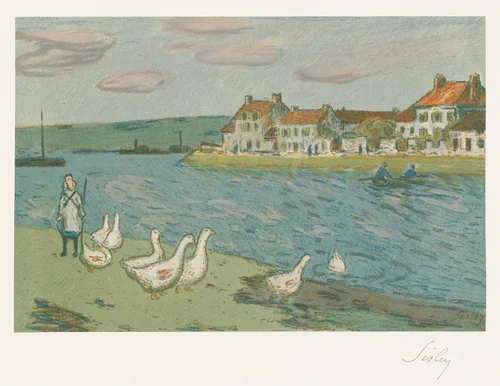
His preferred geography centered around the banks of the Seine, the villages of Louveciennes, and the area around Port-Marly, capturing the delicate transition from rural tranquility to the development of the Parisian suburbs. His subtle handling of light across the infrastructure of modern life, evident in The Bridge at Villeneuve-la-Garenne, and his meticulous rendering of reflections, as seen in Landscape along the Seine with the Institut de France and the Pont des Arts, reveal an artist deeply attuned to the quiet dignity of the everyday. Sisley did not pursue the dramatic; he captured the exquisitely observed ordinary.
Works such as Boulevard Héloïse, Argenteuil and the iconic Flood at Port-Marly demonstrate the technical precision and atmospheric mastery that define his contribution to the movement. The enduring appeal of these Alfred Sisley paintings ensures their continued stature. Today, collectors and enthusiasts can access many of his canvases through the public domain, making high-quality prints of his museum-quality work available worldwide.
Source: Wikipedia · CC BY-SA 4.0