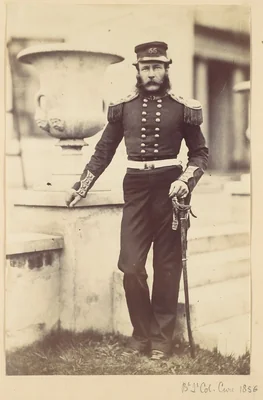
Alfred Capel-Cure
Colonel Alfred Capel-Cure (active 1850-1856) occupies a unique and significant position in the history of visual documentation, functioning simultaneously as a career officer in the British Army and a foundational pioneer of early photography. His brief but impactful period of activity coincided precisely with the critical decade when photographic practices transitioned rapidly from specialized scientific experiment to a nascent, reproducible art form.
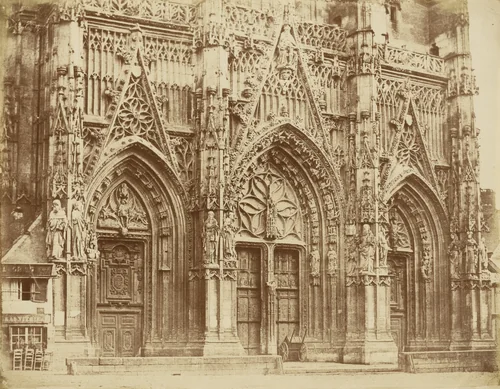
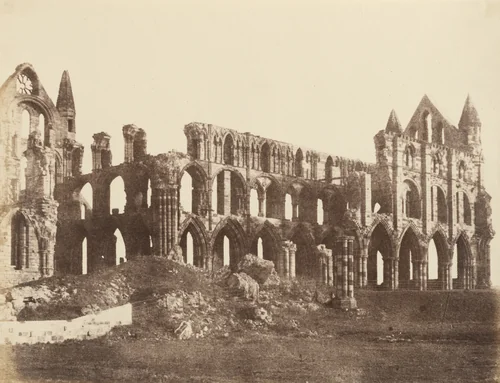
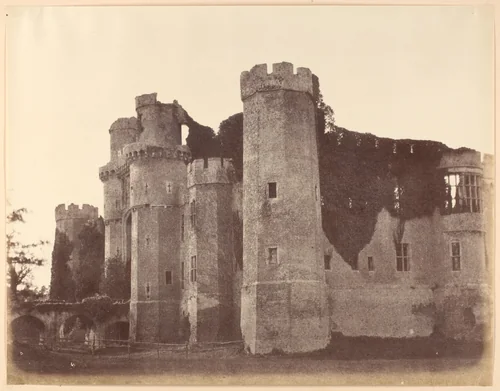
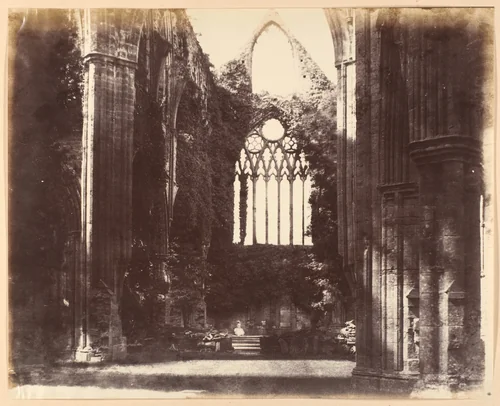
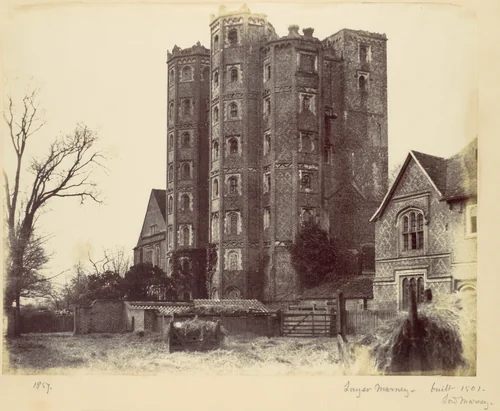
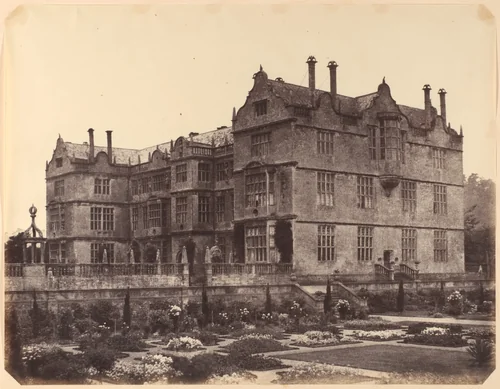
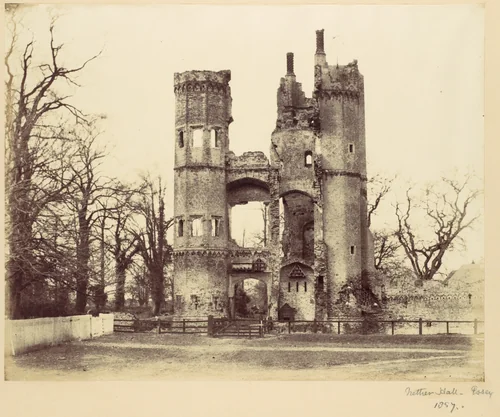
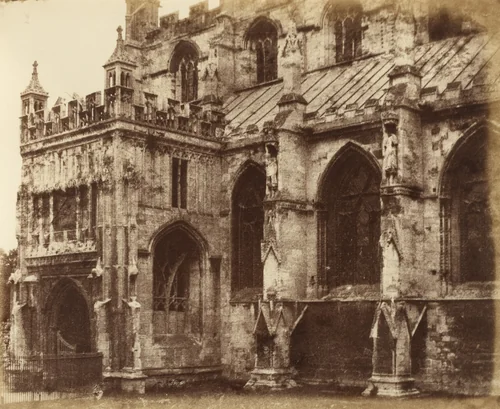
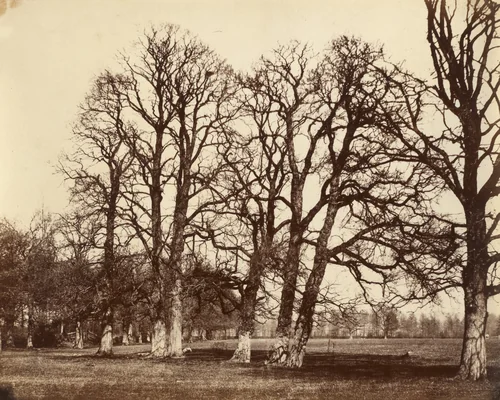
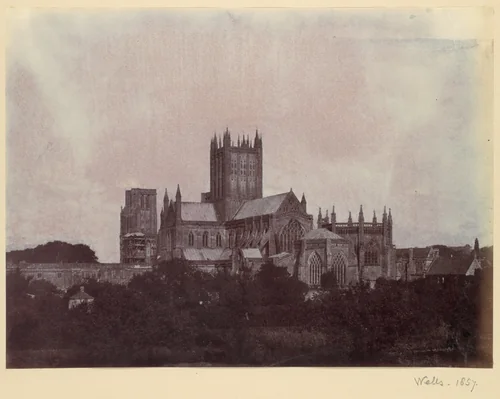
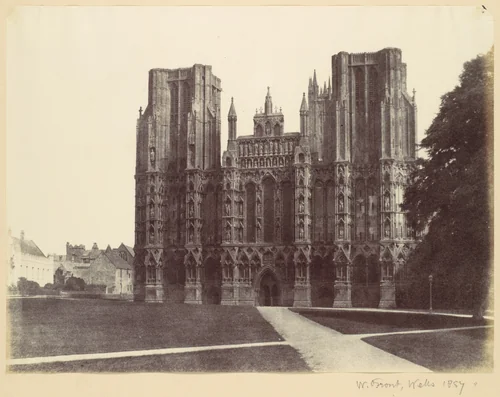
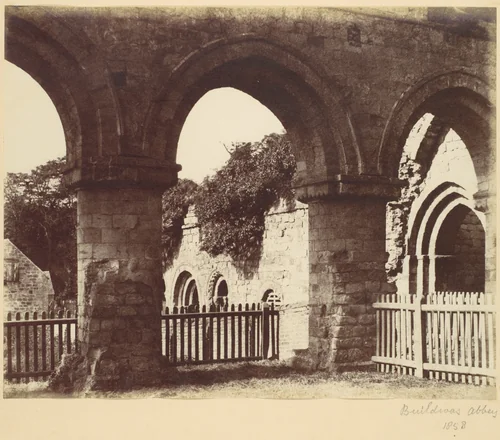
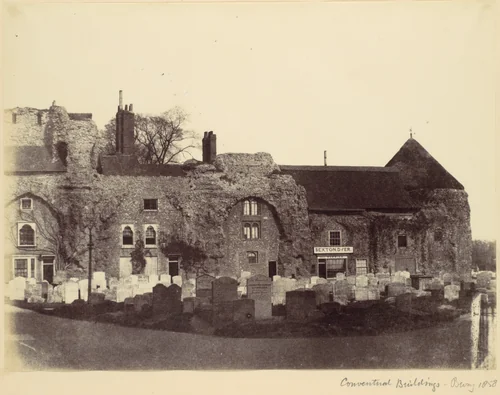
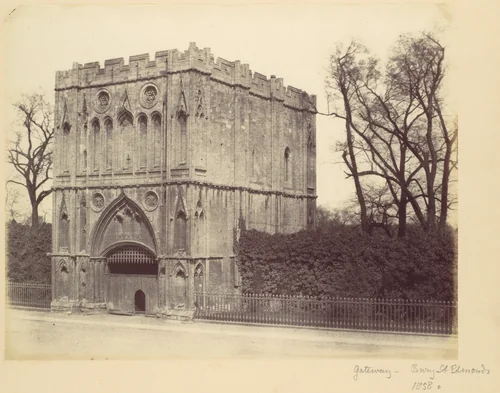
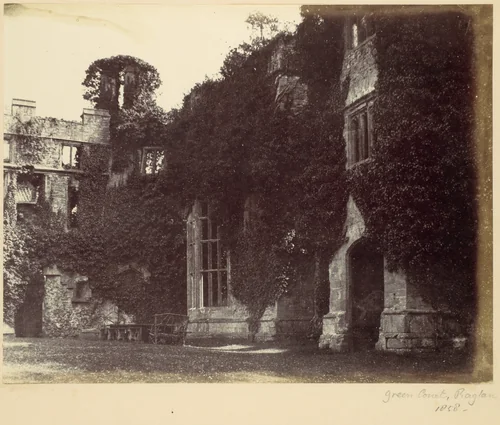
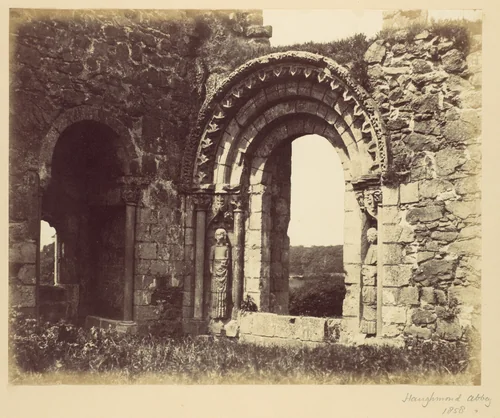
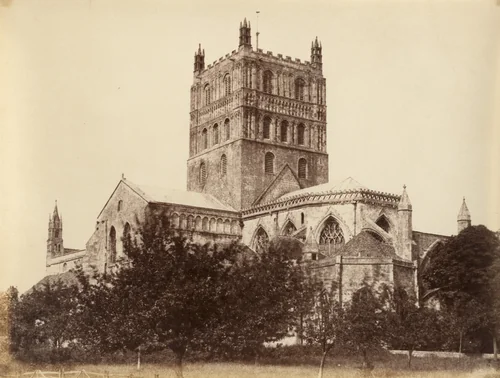
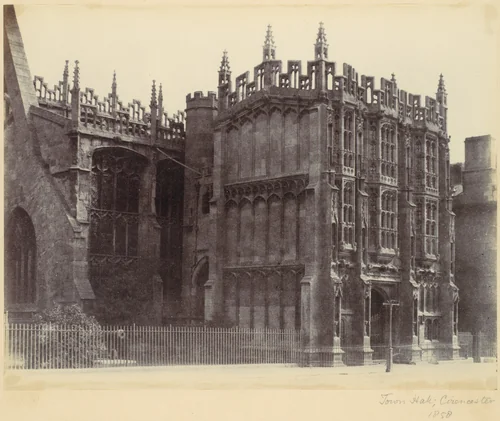
Working almost exclusively in the first half of the 1850s, Capel-Cure’s surviving oeuvre, though modest in size, demonstrates a refined mastery of the complex techniques inherent in early negative-positive processes. His output, consisting of approximately fifteen known photographs, blends striking topographical documentation alongside intimate, carefully composed portraiture. The surviving topographical works, such as Malmesbury, Wenlock, and Willey, reveal an eye for architectural detail and atmospheric nuance, rendered with the precise clarity necessary for achieving museum-quality images despite the technological limitations of the era.
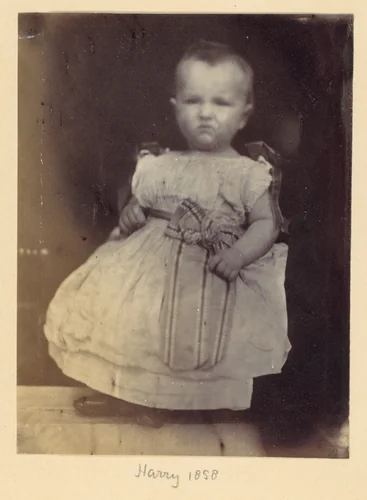
Beyond these structural studies, Capel-Cure utilized the camera for personal documentation, producing sophisticated vignetted portraits of children and family members. These images, often characterized by a soft focus that lends them an almost painterly quality, reflect the aesthetic pursuits common among gentleman amateurs who adopted the new technology. It is perhaps unsurprising that an officer trained in the rigorous discipline of the British military would approach the unforgiving medium of early photography, which demanded meticulous control over chemistry and timing, with such systematic success. He viewed the camera not merely as a record-keeping tool but as a device capable of generating subtle, lasting aesthetic records.
The historical importance of his photographic endeavor is confirmed by the sustained institutional interest in his work. Today, his original prints reside in preeminent collections, including the Museum of Modern Art and the Metropolitan Museum of Art. These documents provide essential insight into mid-nineteenth century artistic and documentation practices. While his tenure as an active photographer was short lived, his contributions ensure that Alfred Capel-Cure prints remain a valued reference point for collectors, much of which is now considered public domain material and available for study through high-quality prints and digital reproductions.
Source: Wikipedia · CC BY-SA 4.0