Alfonso Moreno
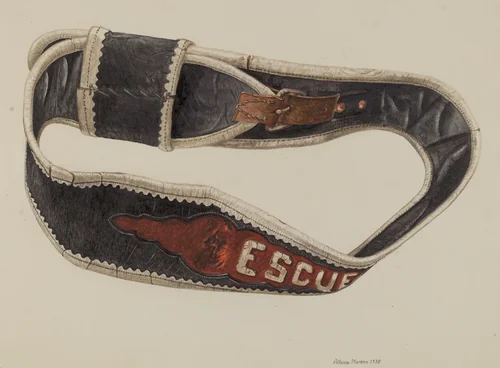
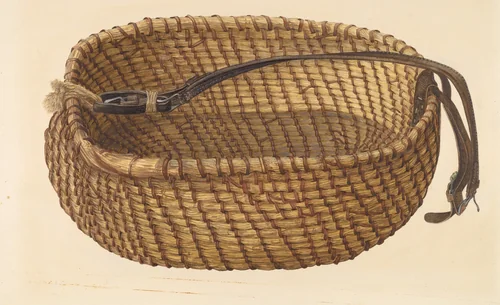
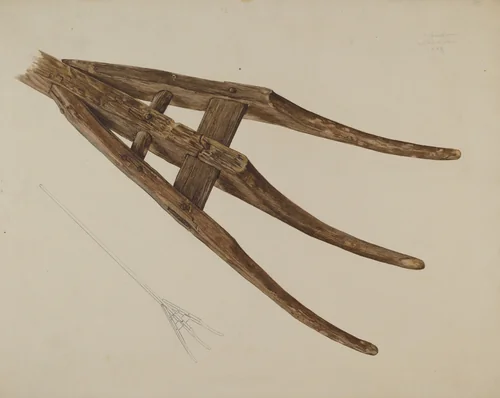
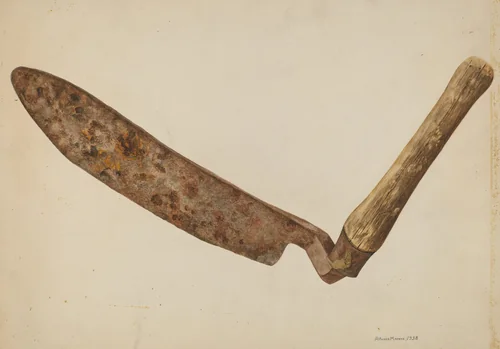
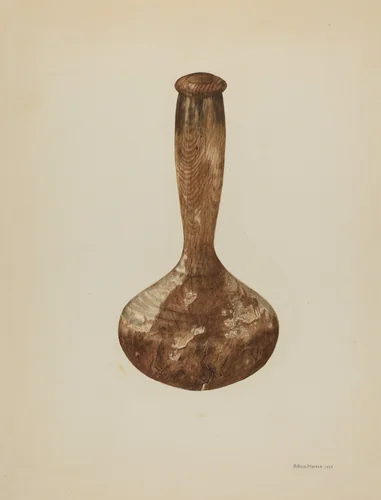
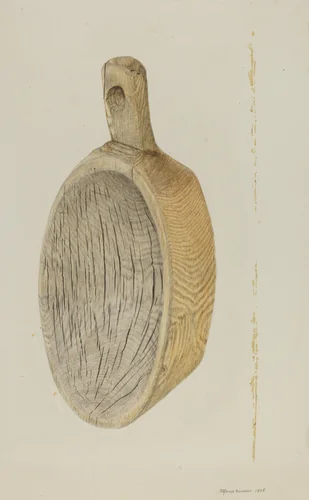
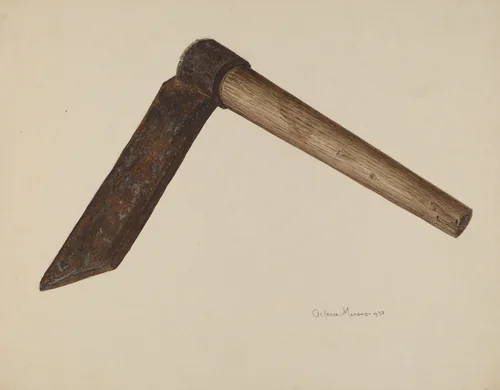
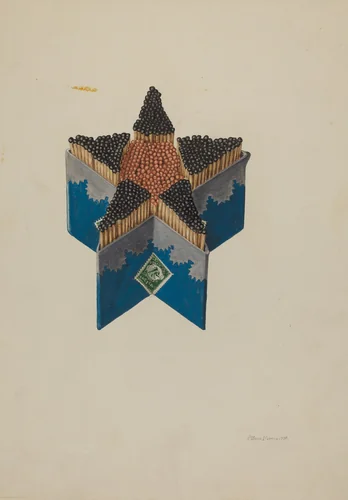
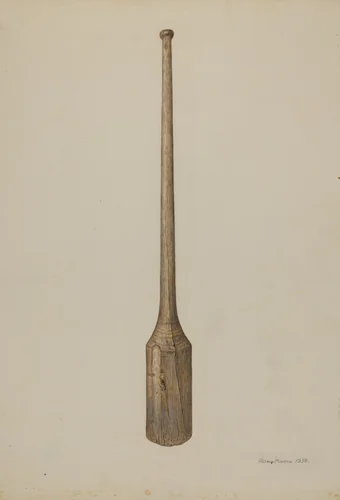
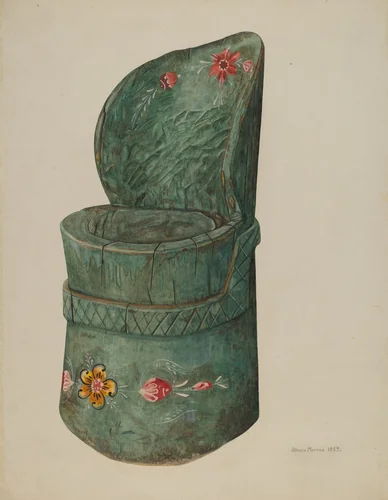
Alfonso Moreno’s artistic production is inextricably linked to the Index of American Design (IAD), the ambitious federal initiative established under the Works Progress Administration (WPA) between 1935 and 1942. Moreno, active specifically from 1935 to 1938, contributed approximately fifteen designs to this seminal project, which sought to create a meticulous pictorial record of American material culture preceding 1900. His participation ensured the visual preservation of hundreds of objects that spanned the entire gamut of pre-industrial life, providing crucial documentation during a period when the nation was actively defining its own visual heritage, distinct from European antecedents.
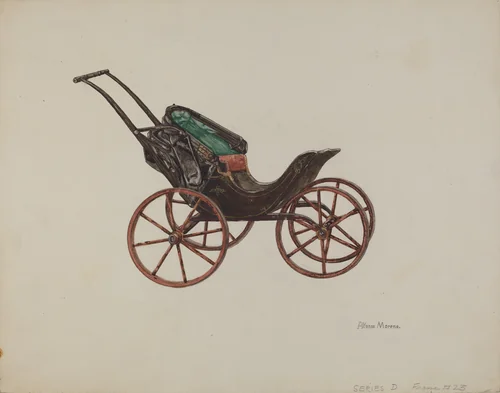
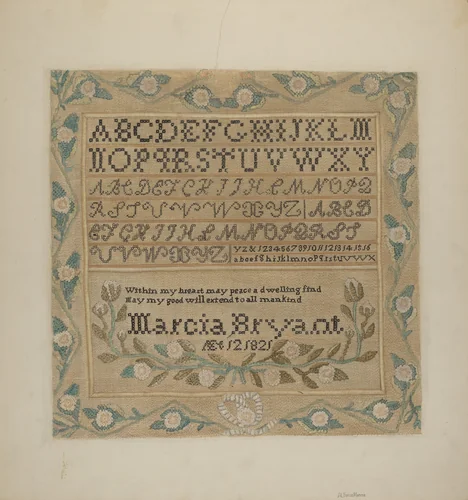
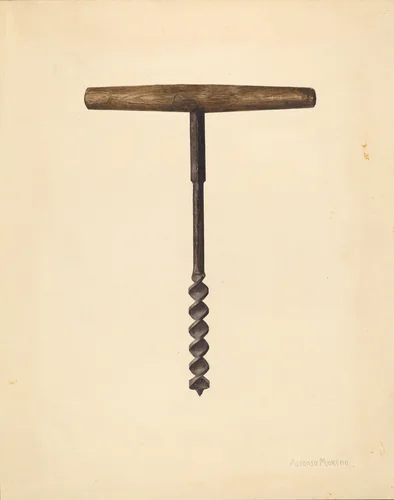
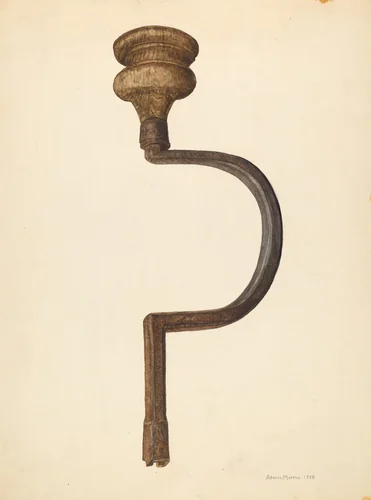
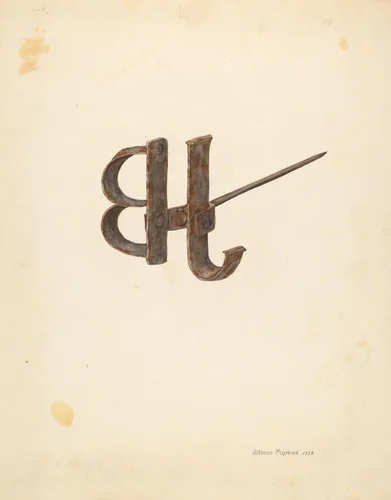
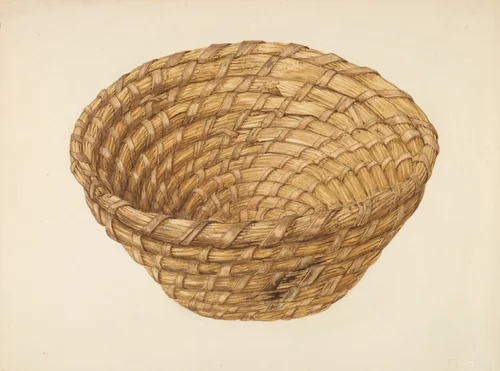
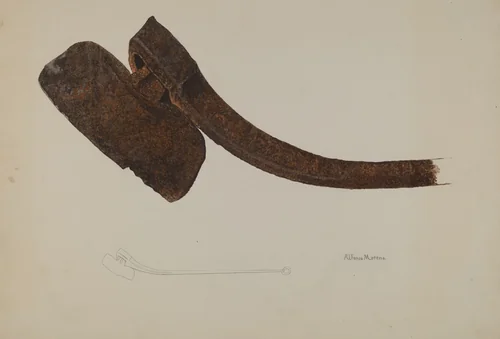
Moreno’s assignments demonstrate a disciplined focus on both the practical and the domestic. His technical renderings captured the robust design inherent in functional tools, such as the carpentry instruments Auger and Bit Brace. These studies showcase the artist's ability to translate complex, three-dimensional engineering into precise, two-dimensional forms, often utilizing watercolor or gouache for exceptional fidelity. Juxtaposed against these objects of labor are items reflecting private and home life, including the detailed representation of a child's toy, the Doll Buggy, and a Sampler. This meticulous adherence to scale and textural accuracy elevates the humble, everyday object to the status of documented historical artifact. It is perhaps a sign of true artistic discipline that Moreno afforded the same exacting detail to a child's forgotten toy as he did to the heaviest industrial machinery.
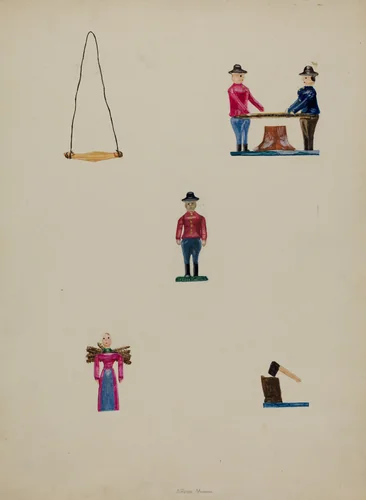
Housed primarily in the collections of the National Gallery of Art, Moreno’s contributions to the IAD offer researchers and enthusiasts a direct visual link to the American past. These works, which include specialized documentation like his comprehensive rendering of a Miniature Lumber Camp, serve not only as records but as highly refined, museum-quality illustrations. Because the IAD documents were created through federal commission, they eventually entered the public domain, making them a vital resource for designers, historians, and educators. Today, the Index, including works by Moreno, forms the basis for numerous scholarly publications and is widely accessible, often reproduced as high-quality prints, sustaining the original mission of providing broad access to America’s visual history.