Alexis Joseph Depaulis
Alexis Joseph Depaulis established his reputation as a formidable French sculptor and medallist during the height of the Napoleonic and post-Napoleonic eras. While the broader public often reserves its attention for monumental painting and sculpture, it is the medallist, working in miniature relief, who provides the most immediate and tangible records of historical and political currents. Depaulis mastered this challenging medium, creating powerful, detailed narratives within the constrained diameter of a metal disc.
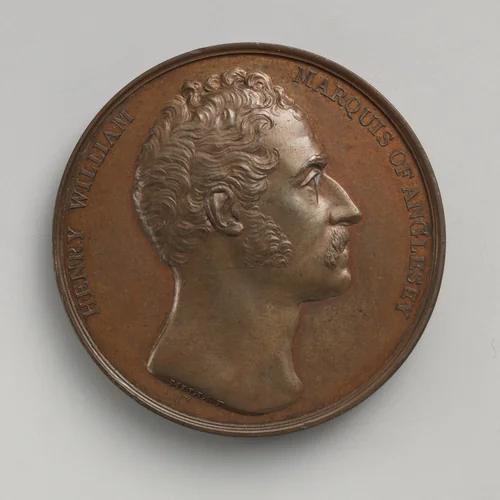
His output was highly sought after, reflecting both France’s imperial ambitions and its enduring commitment to classical scholarship. Depaulis often functioned as a meticulous chronicler of contemporary history. His military commemoratives, such as the detailed reverse reliefs for The Battle of Lützen (1813) and Battle of Wurschen (or Bautzen) (1813), functioned as portable monuments, celebrating hard-won victories with striking immediacy. His grasp of complex narrative composition is perhaps best demonstrated in the high relief rendering of the Charge of the British Calvary at Waterloo, led by Lord Uxbridge (afterwards Marquis of Anglesey), a work that captures the energy and chaos of the decisive battle with extraordinary precision.
The fact that the documented relevance of his designs spanned over a century—from the early 1700s well into the 1900s—is less a reflection of miraculous longevity than of the profound, persistent historical importance of his artistic templates, which later engravers and foundries relied upon.
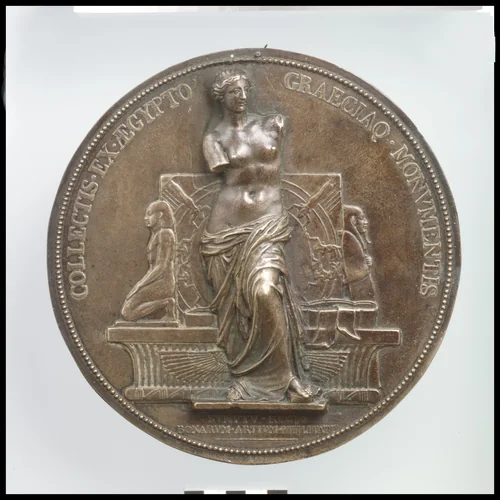
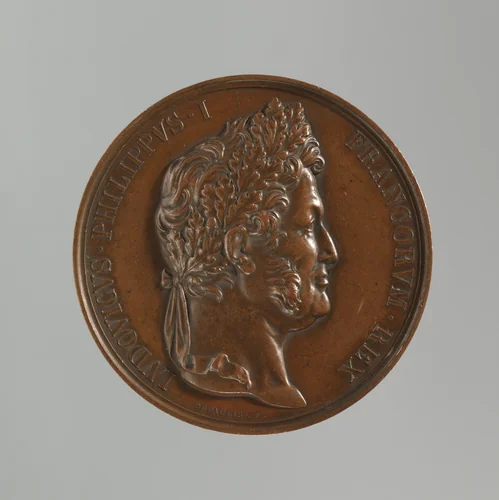
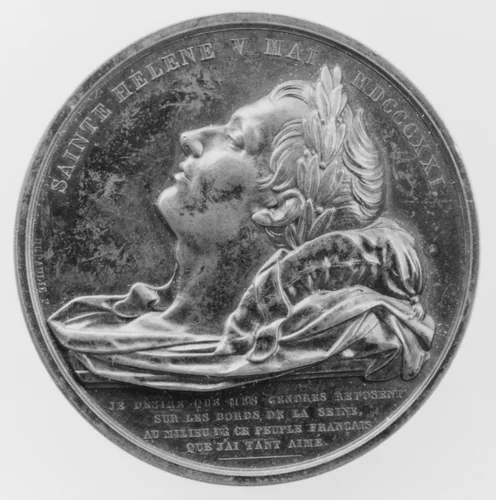
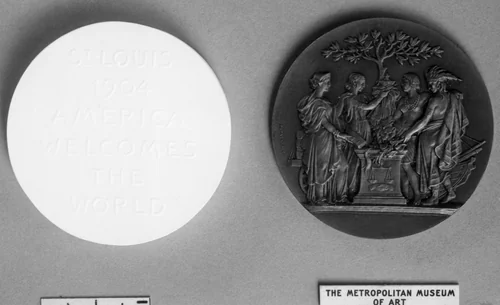
Beyond military commissions, Depaulis engaged with purely scholarly subjects and allegories of state, including the elegant medal Concordiae. A notable classical example is his uniface medal celebrating the Ancient Greek and Egyptian Monuments of the Louvre, which subtly asserts France’s cultural primacy by linking its premier collection to antiquity itself. The enduring power of his small-scale sculpture ensured its immediate acquisition by premier institutions like the Metropolitan Museum of Art, reflecting the status of his works as museum-quality examples of early nineteenth-century numismatic art. Today, many of these historically significant works are entering the public domain, making high-quality prints and downloadable artwork available to modern collectors and historians interested in Alexis Joseph Depaulis prints and the history of commemoration.
Source: Wikipedia · CC BY-SA 4.0