Alexei Jawlensky
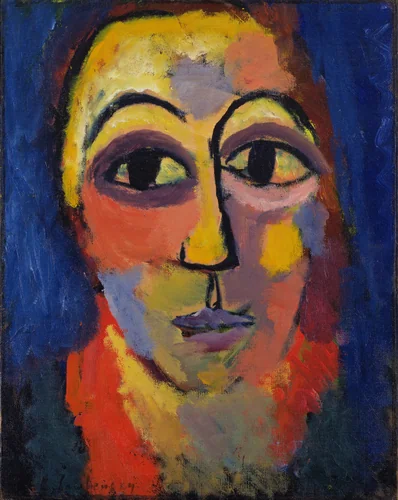
Alexej Georgewitsch von Jawlensky (1864-1941) was a pivotal Russian Expressionist painter whose career flourished primarily within the ferment of German modernism. His role was crucial in synthesizing the vibrant, non-naturalistic color palettes emerging from French Fauvism with the burgeoning structural abstraction of Munich, establishing him as a central figure in early 20th-century artistic innovation.
Jawlensky’s significance was cemented through his involvement in defining associations. He was a foundational member of the New Munich Artist's Association (Neue Künstlervereinigung München) and a key affiliate of Der Blaue Reiter (The Blue Rider), the seminal group that, alongside Wassily Kandinsky and Franz Marc, pushed painting toward an internalized, spiritual abstraction before World War I.
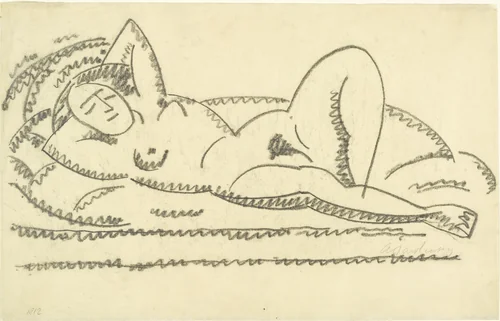
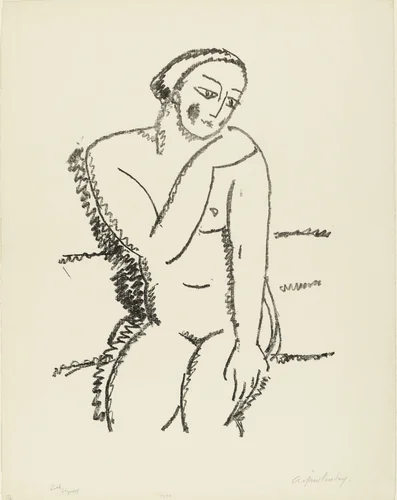
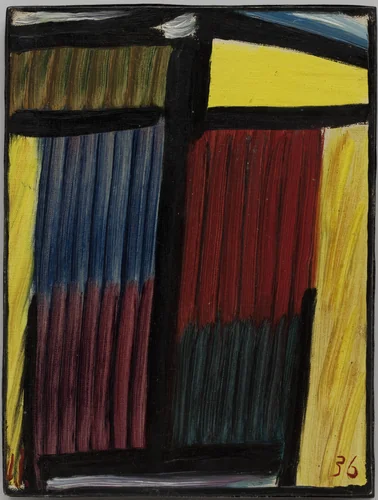
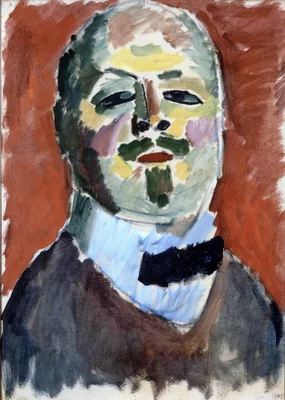
Initially, Jawlensky pursued robust figurative studies, evidenced in early works such as the lithograph Reclining Nude (Liegender Akt). These compositions were characterized by broad, powerful strokes and intense, simplified color fields. However, his artistic focus narrowed profoundly around 1914, leading him to his most celebrated contribution: the serial exploration of the human head.
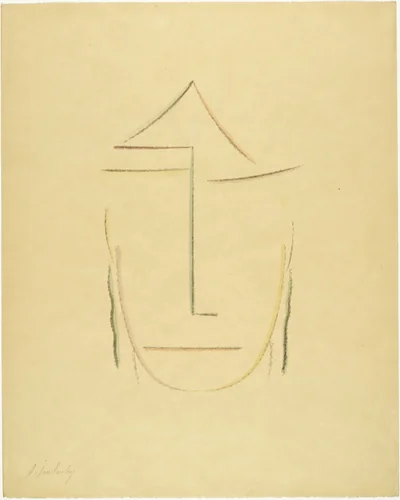
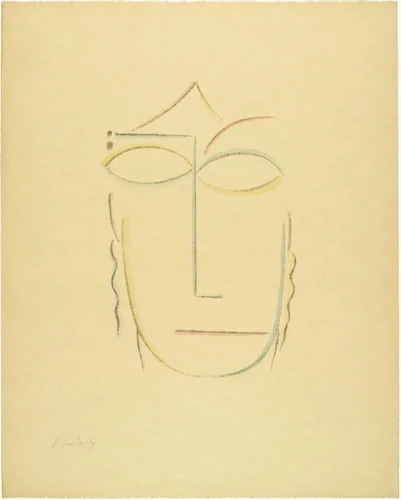
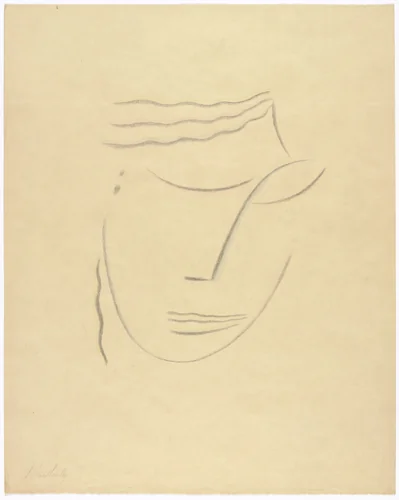
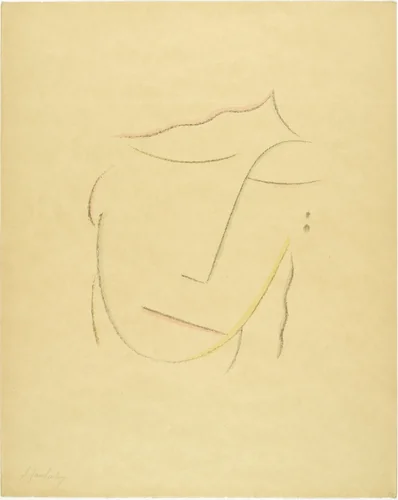
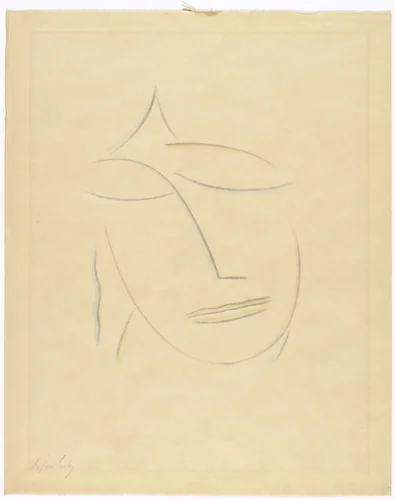
Jawlensky sought to depict the face not as a psychological portrait, but as a site for spiritual meditation. Works like Head I (Kopf I) and Head II (Kopf II) from the Heads portfolio demonstrate this concentrated vision, reducing features to elemental geometry defined by rhythmic lines and vibrating color blocks. This dedication to repetition, treating the face almost as a liturgical subject, defines the latter half of his career. These distinctive Alexei Jawlensky paintings and prints showcase his relentless quest for internal order.
Following the initial Expressionist wave, Jawlensky maintained his abstract commitments by co-founding Die Blaue Vier (The Blue Four) in 1924 with Paul Klee, Lyonel Feininger, and Kandinsky. This group aimed to promote their abstract and spiritual ideals, particularly within the American market. His legacy is one of unwavering stylistic discipline, transforming external perception into inner iconography. Today, his influential work ensures that many of his compositions, available as high-quality prints, are entering the public domain, allowing global accessibility for study and appreciation.
Source: Wikipedia · CC BY-SA 4.0