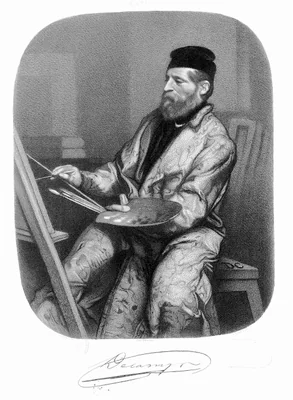
Alexandre-Gabriel Decamps
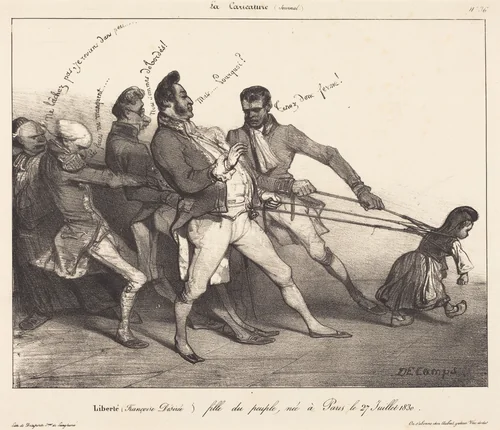
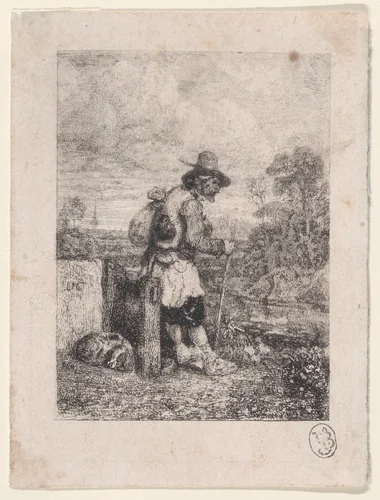
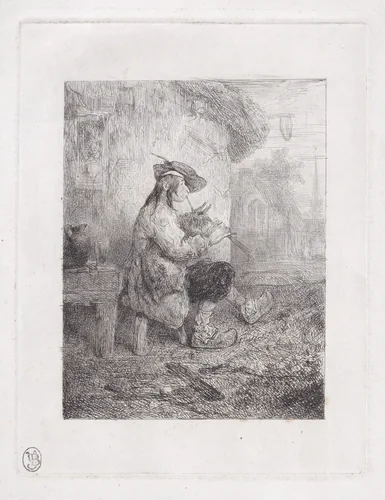
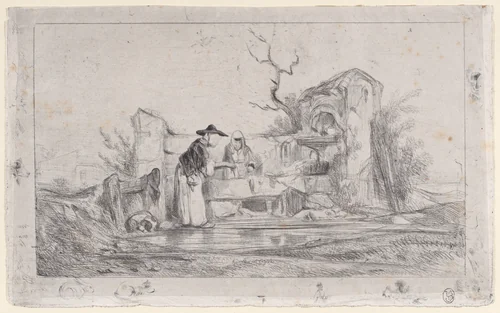
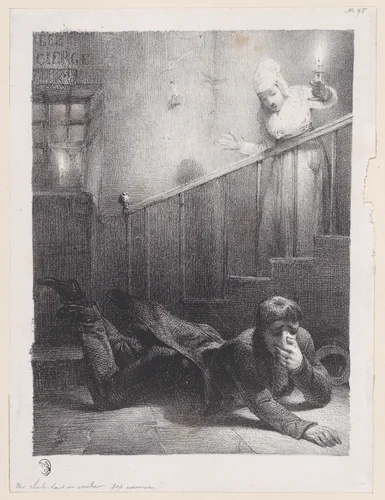
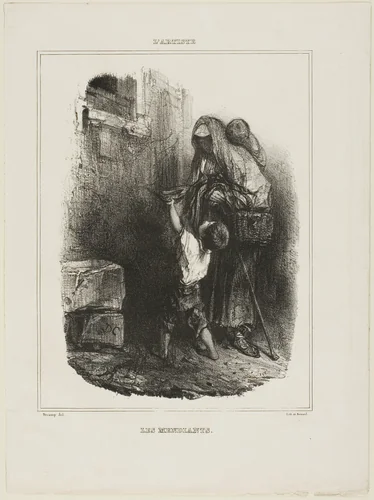
Alexandre-Gabriel Decamps (French, 1800-1823) stands as a pivotal figure in the development of 19th-century French Orientalism. Although his official recorded activity span was brief, Decamps rapidly established a powerful presence in the Parisian art world, defining the aesthetic parameters for the emerging fashion for Near Eastern subjects. He was a proficient painter, but his surviving work demonstrates a robust commitment to graphic media, with several drawings and fine prints rounding out his documented oeuvre.
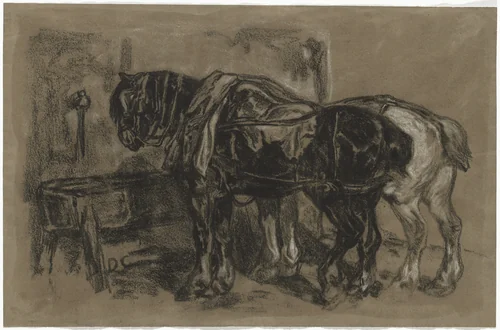
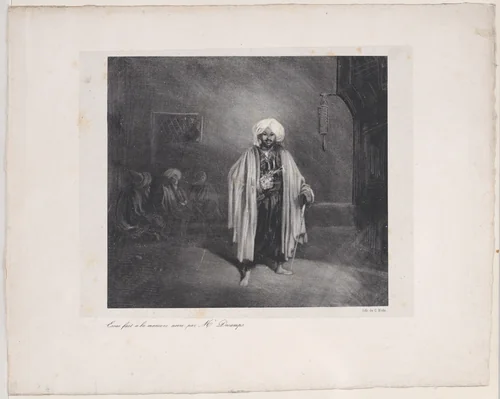
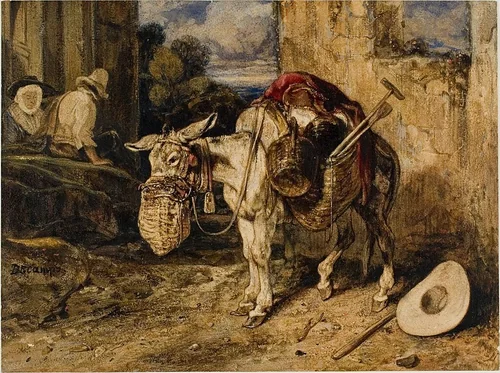
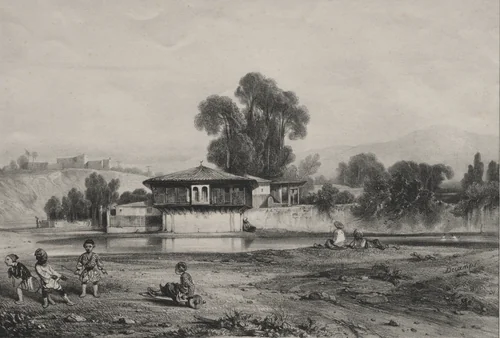
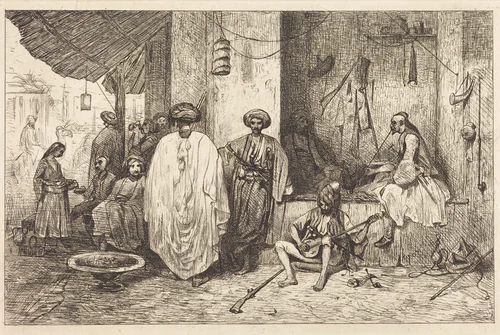
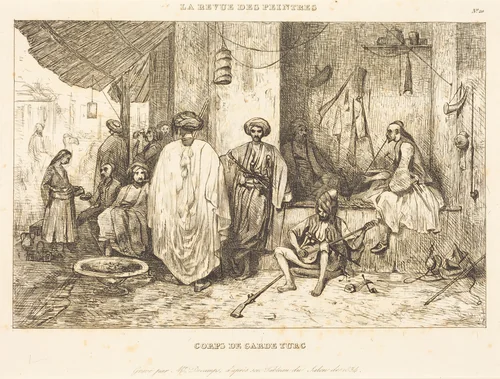
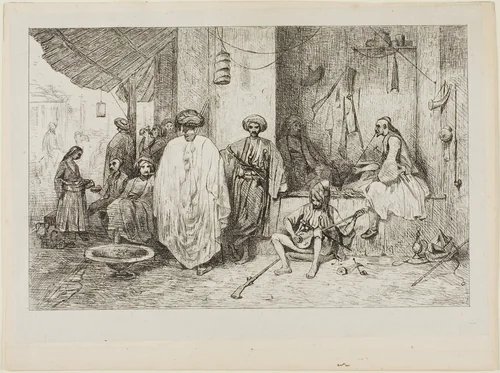
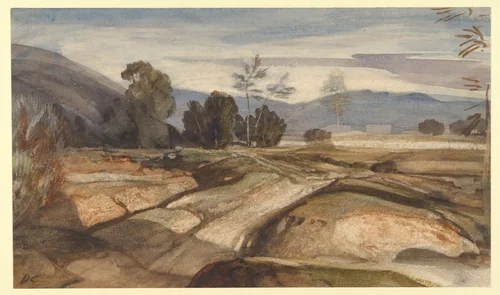
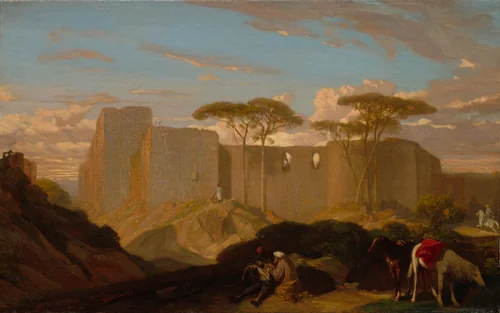
Decamps moved beyond the academic tradition of treating the ‘Orient’ as merely a backdrop for biblical or classical narratives. Instead, he pioneered genre painting that focused on everyday life, commerce, and movement observed during his travels. His compositions often employed dramatic lighting and rich, earthy tonalities to convey atmosphere rather than strict topographical accuracy. Works such as Three Arab Horsemen Crossing a River and The Slave Market [recto] capture the dynamic energy of transit and commerce, while pieces like Horses and Rider in the Countryside reflect a European fascination with the distinctive equestrian culture of the region.
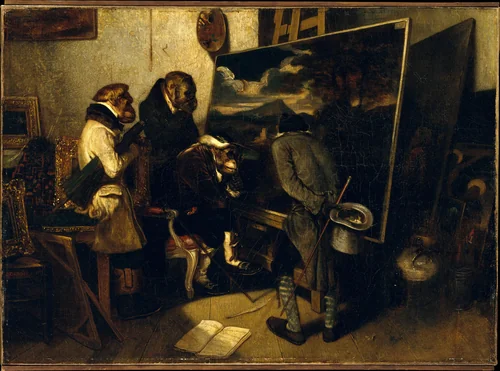
What distinguished Decamps was his ability to capture character within a scene. Before the great influx of Orientalist painters later in the century, Decamps had already mastered the fusion of reportage and Romantic imagination, allowing him to establish the visual language that would dominate this popular art movement. He was the artist who first convinced the French public that the exotic was a suitable and compelling subject for sustained visual documentation.
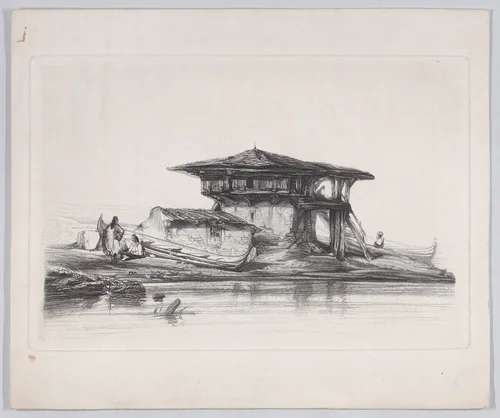
The enduring value of these works is reflected in their current institutional homes, with Decamps’s drawings and limited surviving Alexandre-Gabriel Decamps paintings held in esteemed collections, including the Rijksmuseum, the Metropolitan Museum of Art, and the Art Institute of Chicago. As many of the original works, particularly the Alexandre-Gabriel Decamps prints, are now considered public domain, they are frequently utilized for high-quality prints and available as downloadable artwork, ensuring his influence on 19th-century representation remains globally accessible.
Source: Wikipedia · CC BY-SA 4.0