Alexandre Charpentier
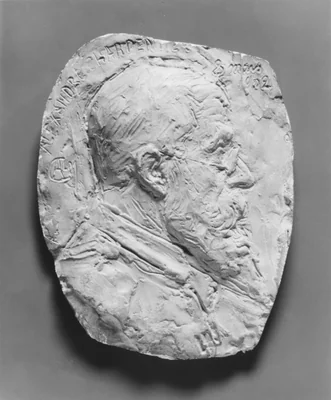
Alexandre-Louis-Marie Charpentier was a pivotal French figure whose dynamic career effortlessly bridged the perceived gap between the fine arts and the applied decorative arts during the transformative era leading into the twentieth century. Operating primarily as a sculptor and medalist (1856–1909), Charpentier achieved equal distinction as a sophisticated cabinet-maker and craftsman, defining himself through exceptional versatility.
His historical impact centers on his integral role in the development of Art Nouveau in France. Charpentier belonged to a dedicated generation of artists who sought to integrate aesthetic beauty seamlessly into daily domestic life, elevating functional objects from simple utility to high design. It is often noted that, unlike many sculptors of his generation who guarded the prestige of monumental marble, Charpentier was comfortable trading the grand pedestal for the practical utility of a beautifully crafted door fitting or furniture panel.
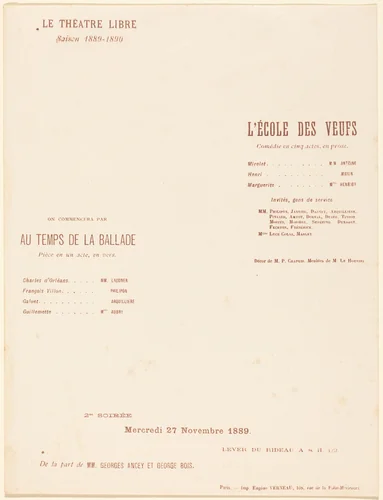
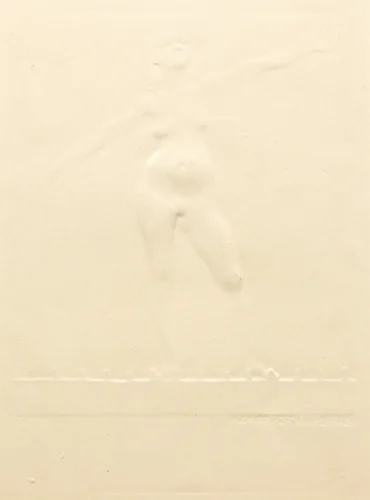
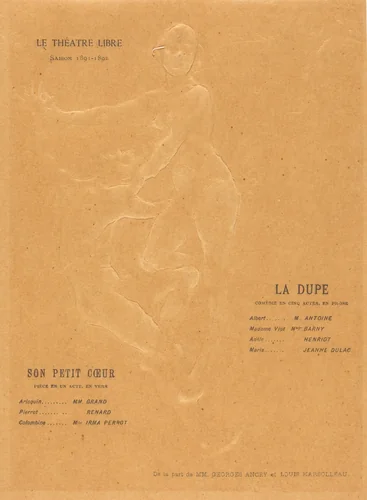
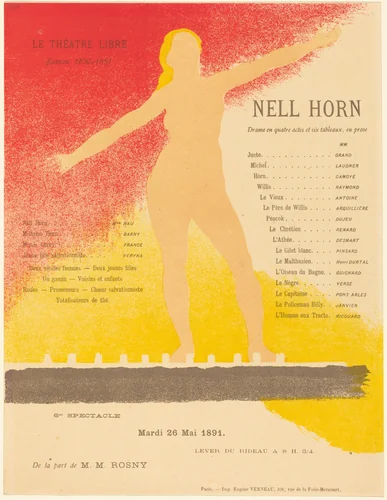
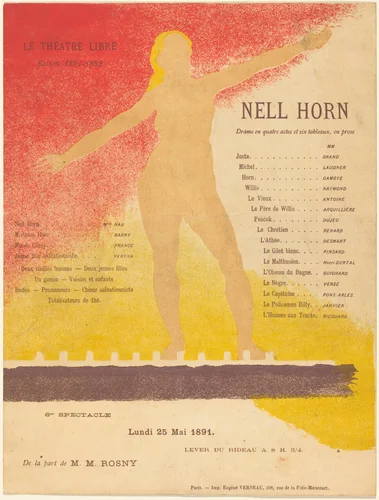
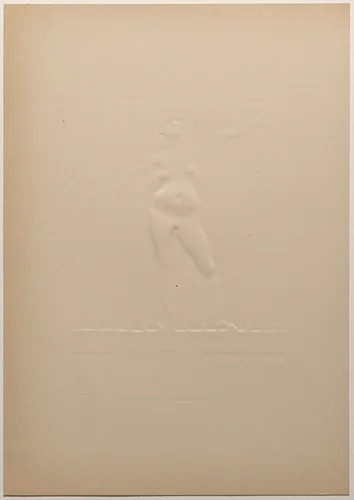
While his foundational training was in three-dimensional sculpture, his brief but intense exploration of printmaking between 1889 and 1895 provides crucial insight into his decorative sensibility. These six known impressions, now held in major collections such as the National Gallery of Art, include works like L'École des veufs; Au Temps de la ballade and the expressive portrait Nell Horn. These Alexandre Charpentier prints reveal the fluid, linear characteristics and emphasis on contour that were hallmarks of his emerging style, often serving as illustrations or visual accompaniments to literary works.
Charpentier’s enduring legacy is rooted in his commitment to the object, whether cast in bronze or carved in wood. His meticulous craftsmanship ensured that his production, from small medals to complete architectural interiors, maintained rigorous artistic standards. Today, the accessibility of his work has increased significantly; the high-quality prints and designs that capture his decorative vision are frequently utilized by researchers and designers, many of his most important designs now residing in the public domain. His work cemented the concept that truly modern art must encompass both the gallery wall and the lived environment.
Source: Wikipedia · CC BY-SA 4.0