Alexandre Calame
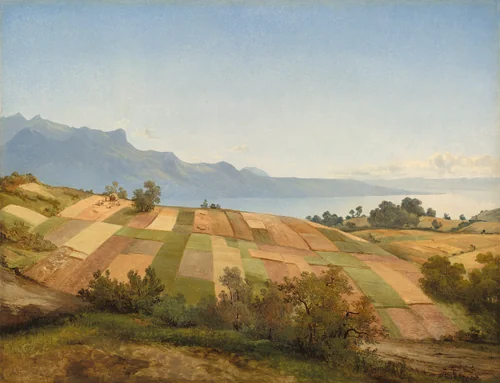
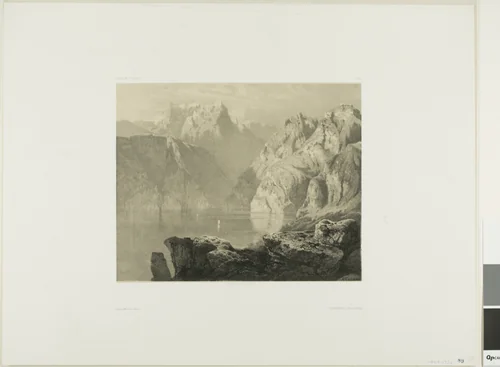
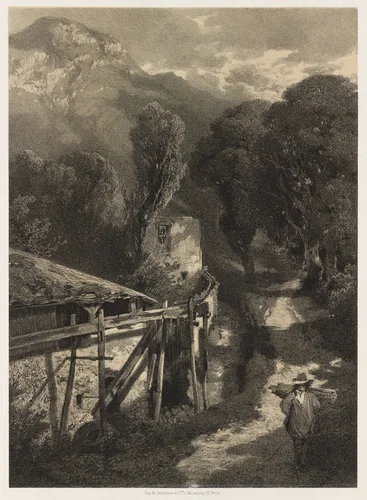
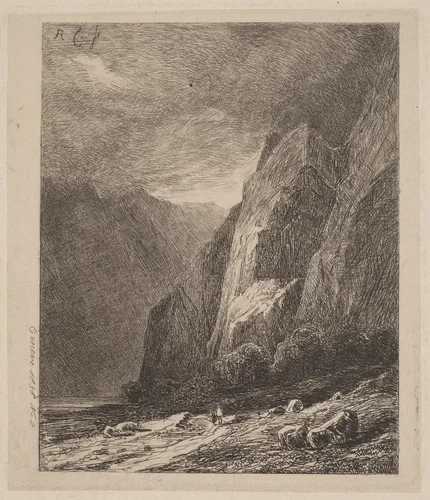
Alexandre Calame established himself as a dominant force in nineteenth-century Swiss Romantic painting, chiefly known for his dramatic interpretations of Alpine scenery. His close association with the German Düsseldorf School imbued his work with the detailed precision and moralizing intensity characteristic of that movement, yet he maintained a singular focus on the specific atmosphere and geology of the Helvetian mountains.
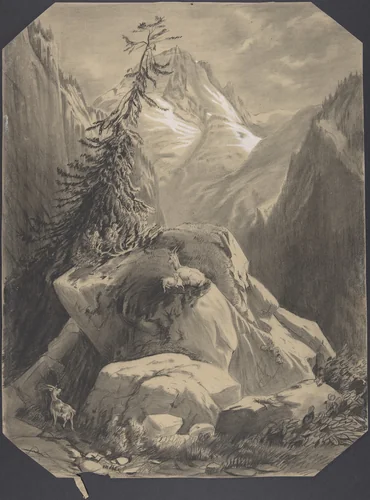
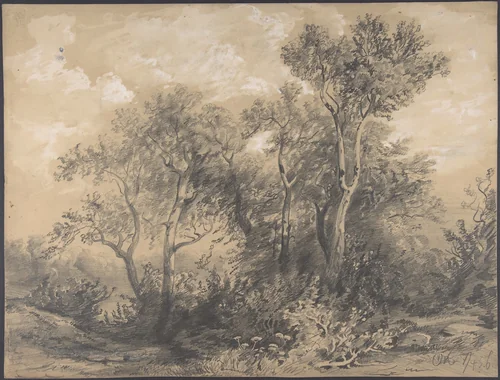
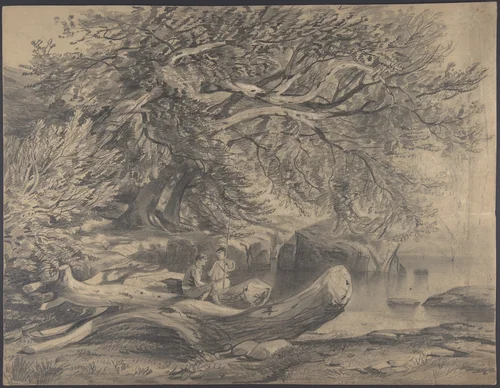
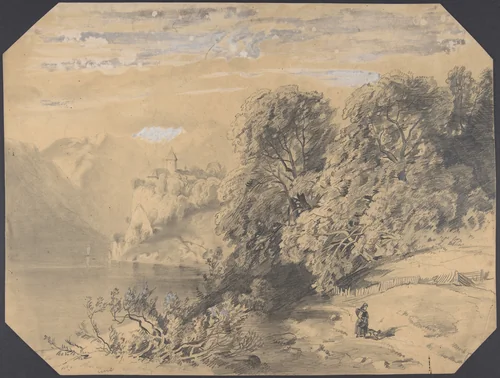
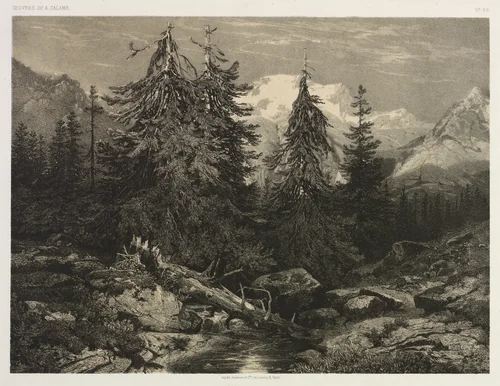
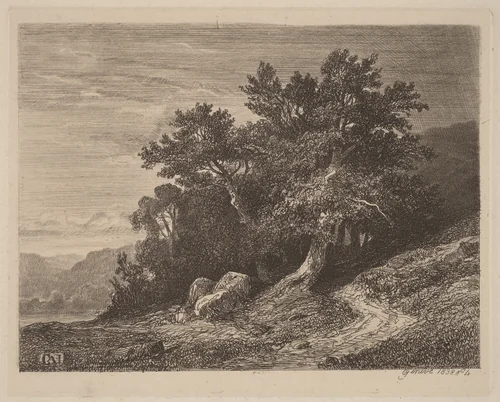
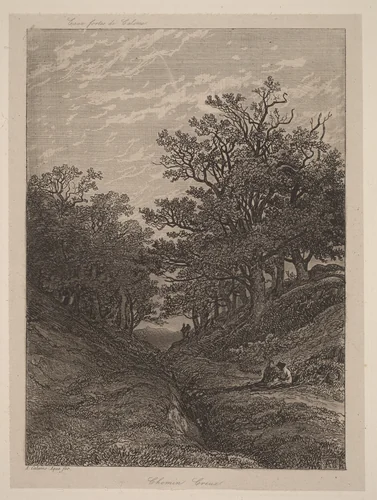
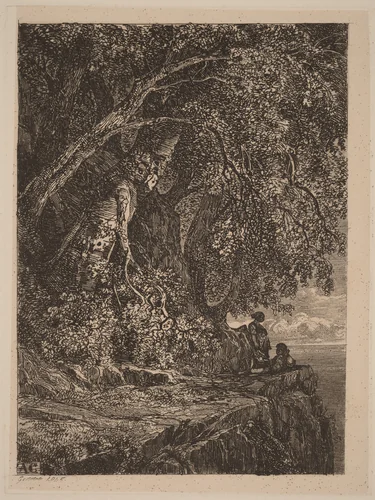
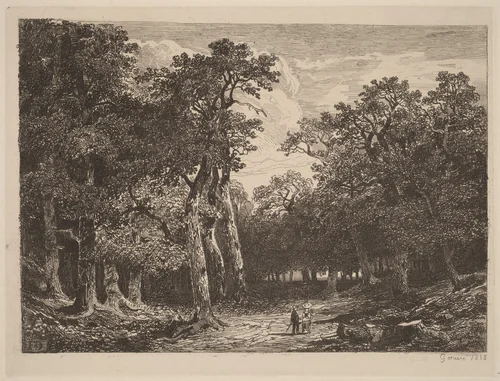
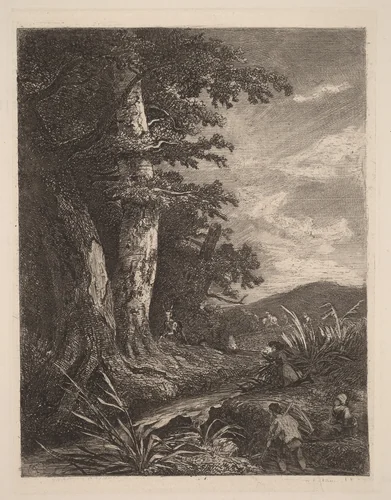
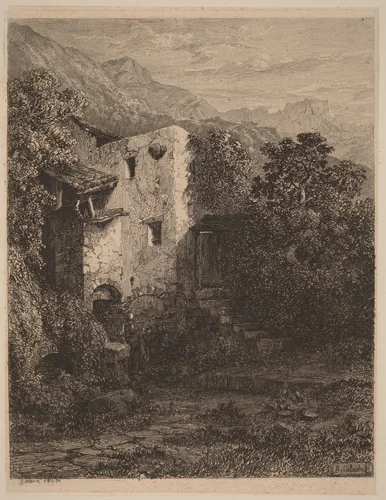
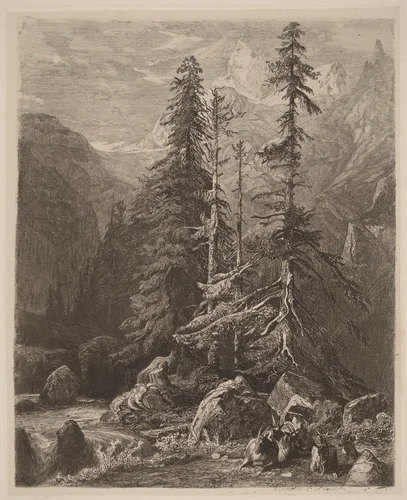
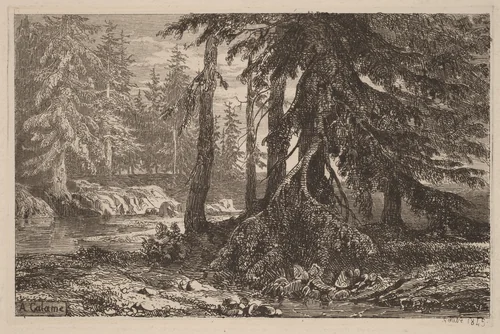
Calame’s approach relied on meticulous observation. He was not satisfied with generalized grandeur; instead, his method involved intensive preparatory studies, evidenced by the substantial volume of his existing graphic work, including numerous drawings and high-quality prints. Titles such as Tree Study and Wilgen aan een meer in zacht glooiend terrein confirm this dedication to mastering specific natural elements. This meticulousness allowed him to render vast, overwhelming landscapes with a striking degree of topographical and botanical accuracy.
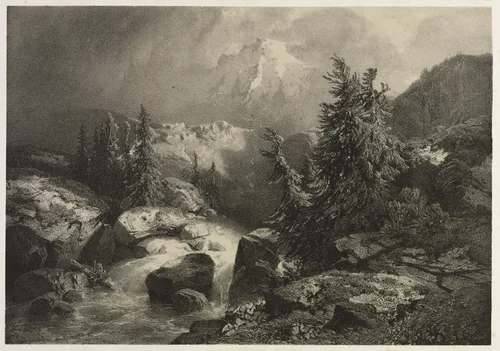
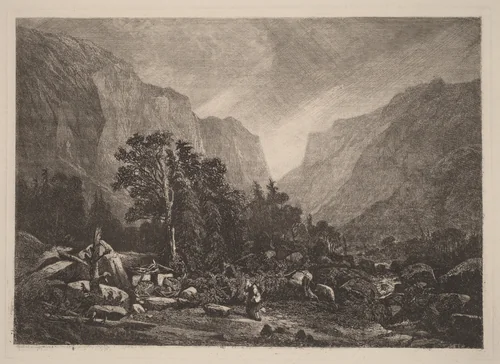
His prolific output during the initial decades of his career, roughly corresponding to the 1820s and 1830s, firmly cemented the conventions of the Romantic Alpine view for subsequent generations. His scenes, such as the various works titled Alpine Landscape, often capture the transition between violent natural drama and serene light, revealing the changing moods of the high peaks. Calame understood that the sublime required rigorous documentation; one might even observe that his drawings treat foreground moss and broken rock with the same gravity usually reserved for vast glaciers.
The legacy of Alexandre Calame is preserved within major international institutions, affirming his enduring significance in the history of landscape art. His works are held in prestigious collections globally, including the Rijksmuseum and the Metropolitan Museum of Art. For scholars and enthusiasts alike, the availability of his imagery, particularly as downloadable artwork derived from public domain sources, ensures continued access to the detailed studies that defined his powerful, yet controlled, vision of the natural world.