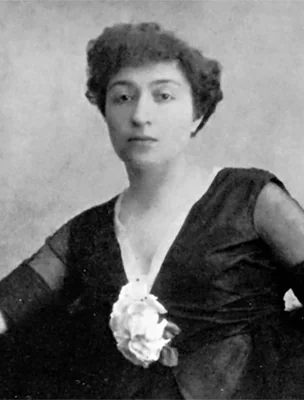
Alexandra Exter
Alexandra Exter (1882-1949), born Aleksandra Aleksandrovna Ekster, was a pivotal Russian and French painter, designer, and key figure in the pre-Revolutionary Russian avant-garde. Operating at the confluence of several European modernisms, Exter’s early adoption of Cubism and Futurism positioned her among the most intellectually rigorous artists of her generation. Her active period, roughly 1912 to 1926, saw her move seamlessly between fine art, illustration, and ambitious stage design, contributing significantly to the visual vocabulary of modernism.
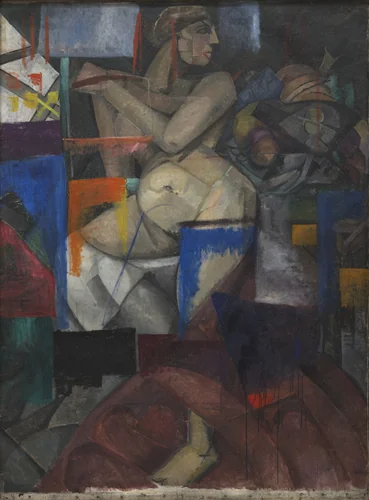
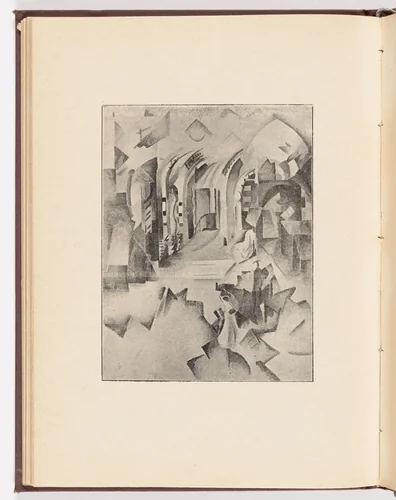
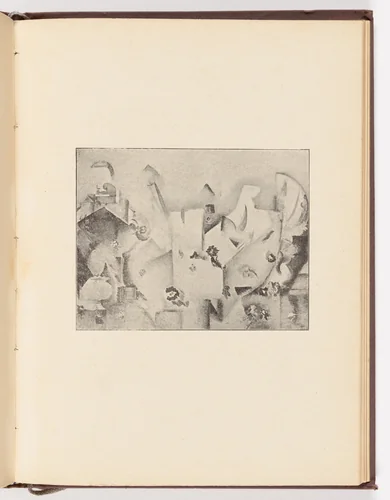
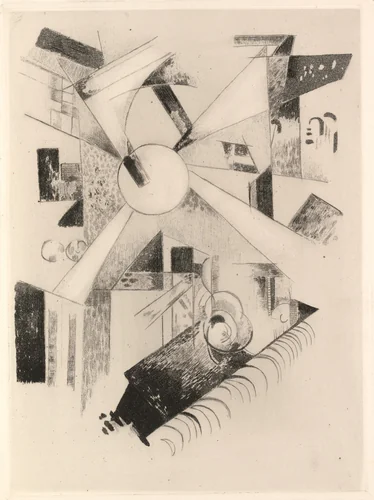
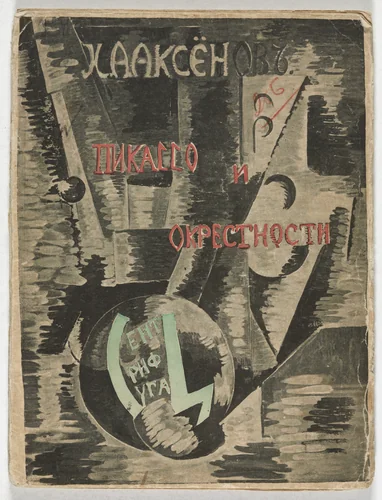
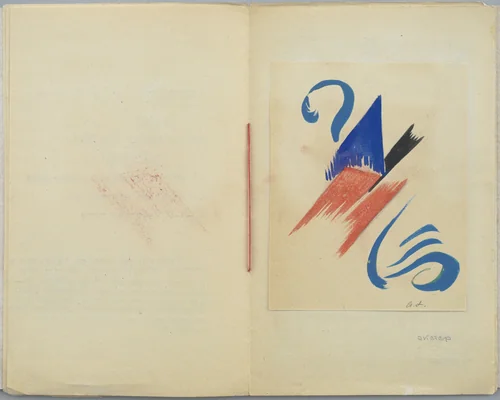
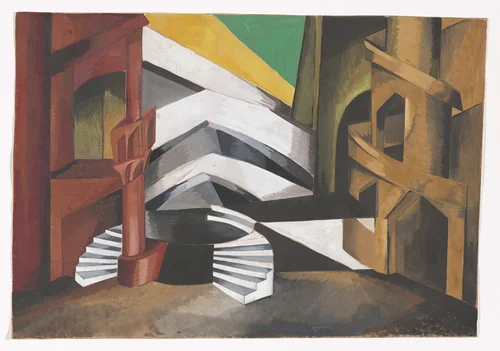
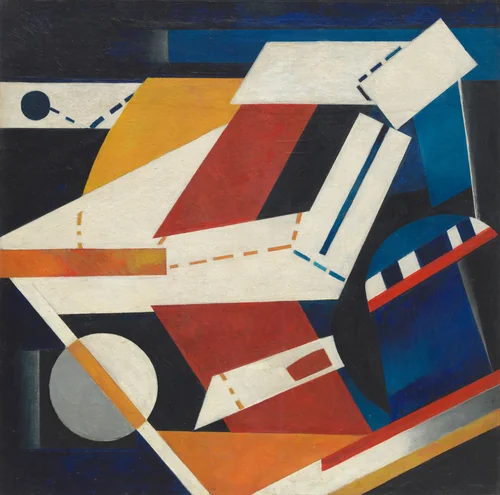
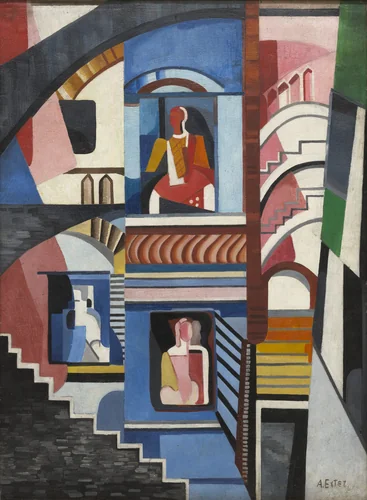
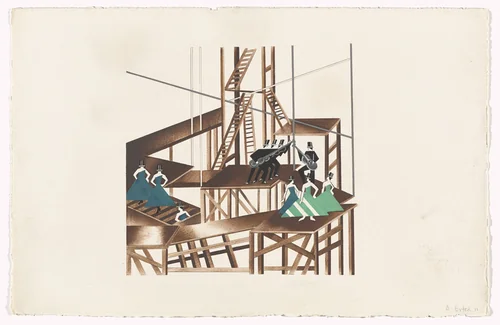
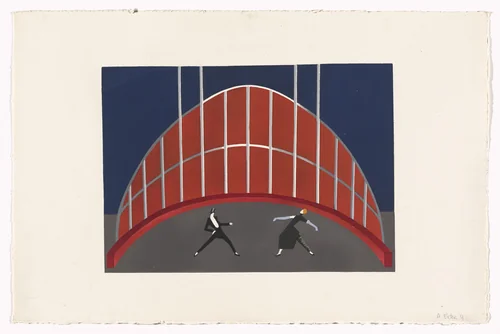
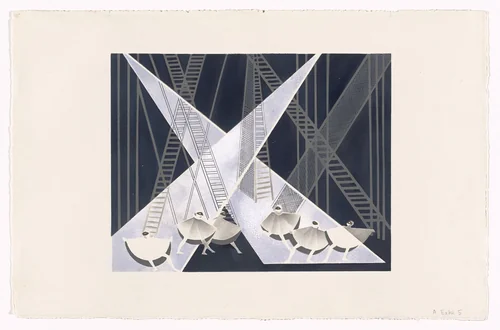
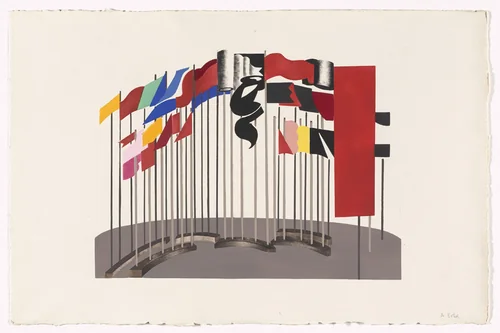
Exter’s formal investigations synthesized geometric clarity with dynamic rhythm. This synthesis is evident in early explorations like Composition and the graphic power of her Cubist Nude. Her involvement with literary circles was equally significant; she contributed several plates, including Plate (facing page 81), to critical Futurist publications like Futuristy. Pervyi zhurnal' russkikh' futuristov'. These illustrated books demonstrate her mastery of the printed page as a site for radical artistic intervention.
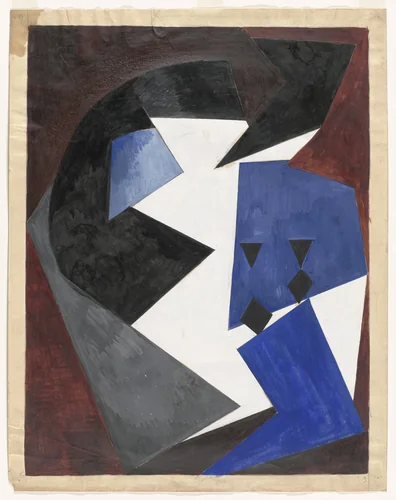
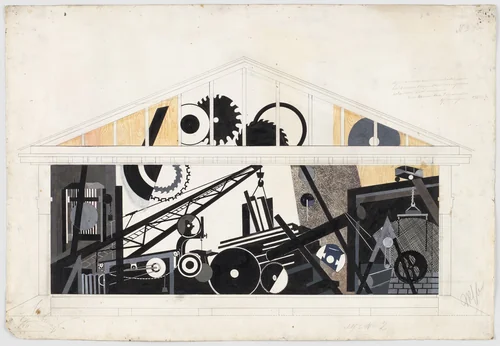
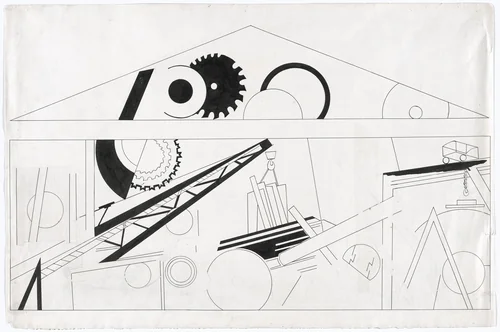
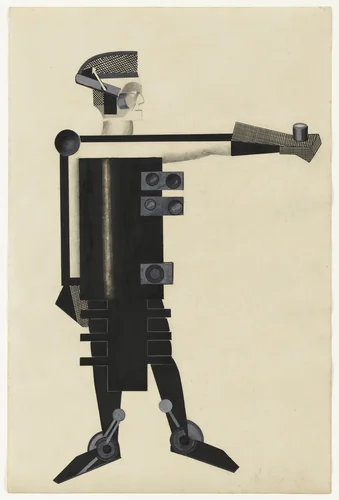
A defining characteristic of Exter’s methodology was her commitment to crossing disciplinary boundaries, applying formal innovation whether creating high-quality prints for mass consumption or unique paintings for exhibition. While only a fraction of her massive output survives, the works currently held by institutions like the Museum of Modern Art confirm her profound commitment to structural abstraction. Among her more pointed titles, Neuvazhitel'nyia osnovaniia (Weak Foundations) suggests an underlying socio-political critique often veiled by her vibrant geometric abstraction.
Exter was noted for her cosmopolitanism, maintaining crucial links between Moscow, Kiev, Paris, and Rome, which allowed her to import and immediately translate emerging European styles for the Russian context. This constant exchange established her as an essential conduit for ideas, making her work indispensable for understanding the trajectory from Cubism to Constructivism. Many of her significant works are now entering the public domain, making downloadable artwork and high-quality prints accessible for contemporary scholarship and appreciation. Her legacy remains a striking example of the sheer energy and intellectual curiosity that defined the Russian Silver Age.
Source: Wikipedia · CC BY-SA 4.0