Alexander Maxwell
Alexander Maxwell occupies a precise, if somewhat anonymous, niche within 19th-century architectural drawing. Active around 1840, Maxwell’s surviving artistic output is exclusively focused on the practical and evolving art of memorial design. His work, comprising 15 detailed drawings, provides a valuable technical insight into the prevailing aesthetic sensibilities surrounding grief and commemoration in the mid-Victorian era.
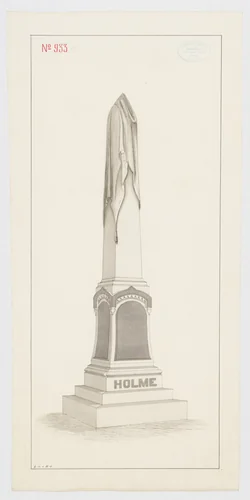
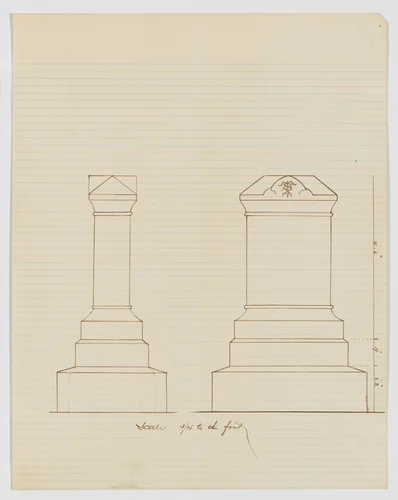
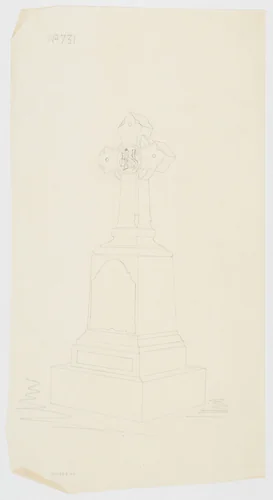
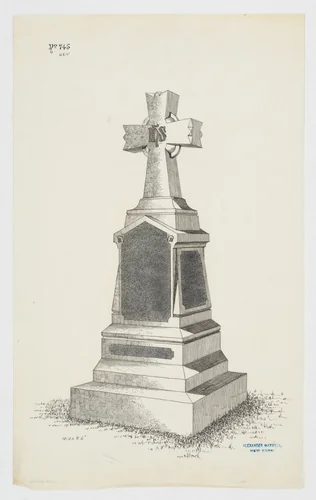
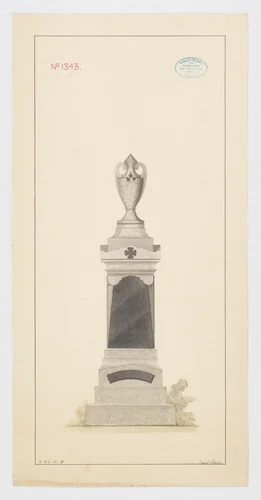
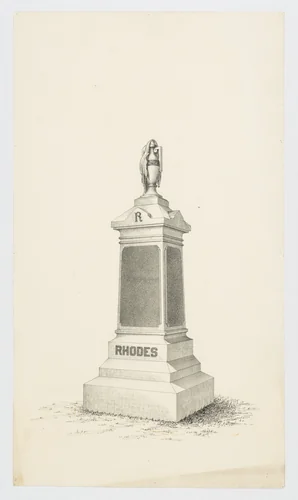
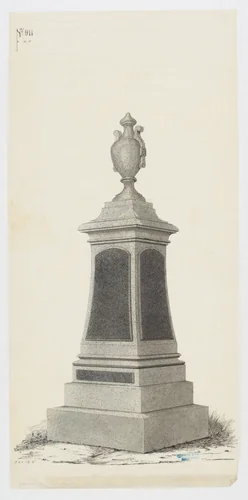
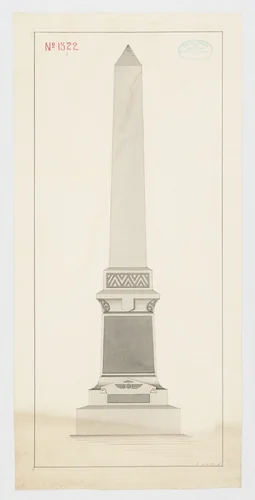
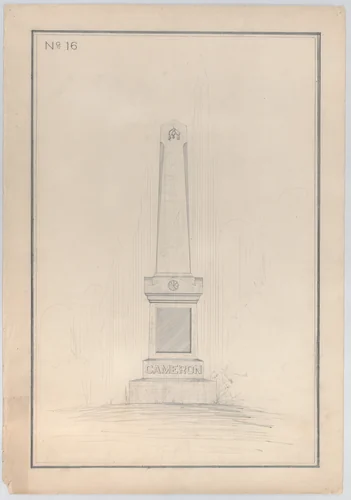
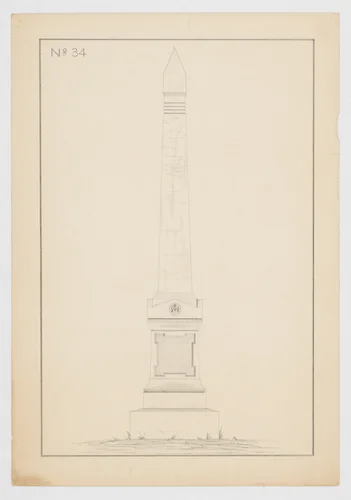
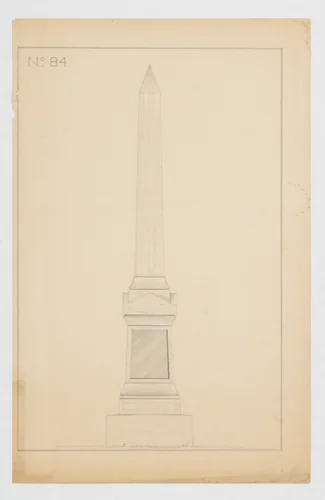
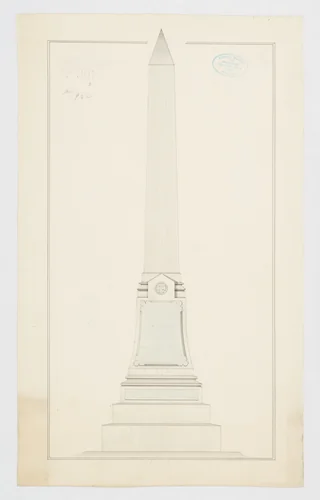
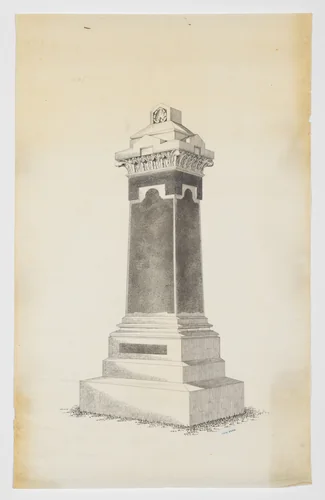
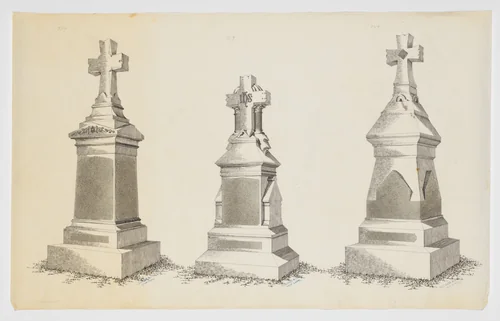
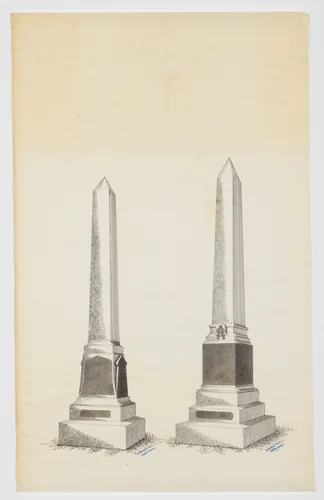
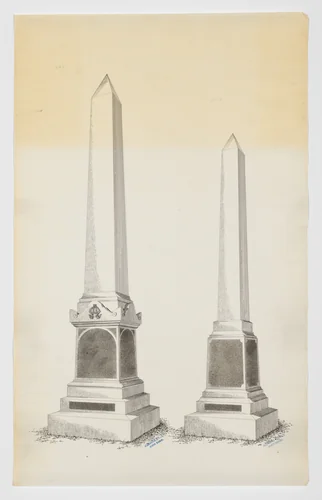
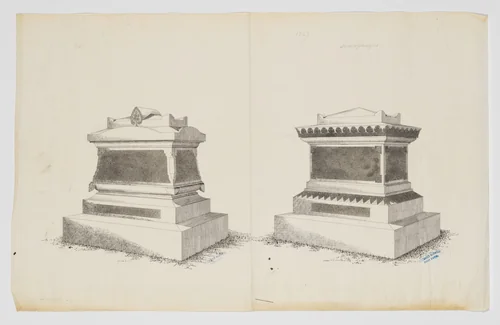
Held primarily in the permanent collection of the Metropolitan Museum of Art, Maxwell’s small but concentrated corpus demonstrates a mastery of draftsmanship necessary for translating concept into durable stone. The majority of these works are highly specialized elevations and detailed plans for burial markers, reflecting the growing professionalization of the monumental trade. Key examples include Grave Monument Design (Two Elevations) and the highly detailed rendering, Draped Obelisk Grave Monument for "Holme," No. 933. His designs frequently incorporate established neoclassical and Gothic revival motifs, specifically the symbolic use of the draped obelisk, stark pillars, or the commemorative cross, as seen in the symmetrical study, Grave Monument with Cross, No. 745. These pieces served not merely as conceptual sketches, but as professional blueprints, documenting the essential collaboration between the designer and the sculptor.
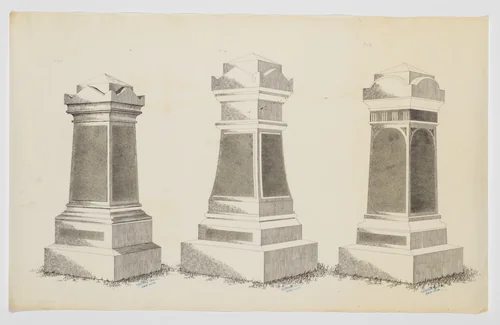
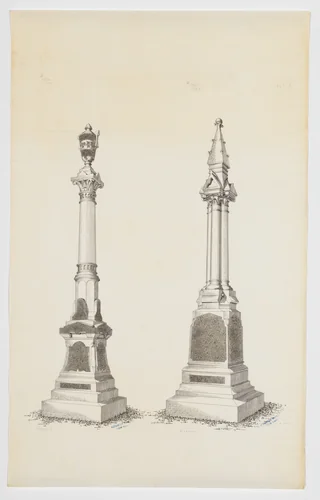
Maxwell's designs, particularly those detailing varied pillar structures such as Grave Monument Designs, Three Short Pillars, function as a critical document of funerary taste during the period. While the artist’s personal identity remains surprisingly ambiguous, his works ensured that the names he helped commemorate, like "Holme," achieved permanence. It is an unintended irony that a designer so invested in memorializing others left behind no definitive record of himself, save for his precise hand.
Nevertheless, the technical quality and historical value of these studies are undeniable. Many of these museum-quality designs are now widely accessible as downloadable artwork, allowing researchers and enthusiasts access to detailed high-quality prints, thus extending the public understanding of specialized 19th-century architectural practice far beyond its original function. Alexander Maxwell’s surviving drawings offer an essential window into the formalized visual language of 1840s monument design.
Source: Wikipedia · CC BY-SA 4.0