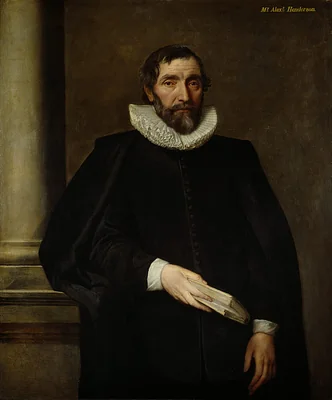
Alexander Henderson
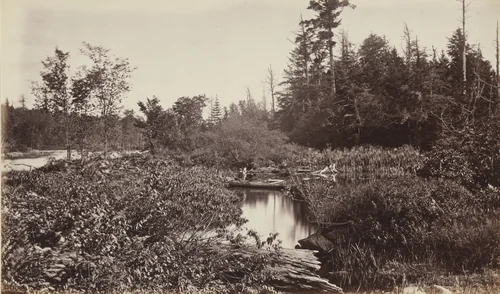
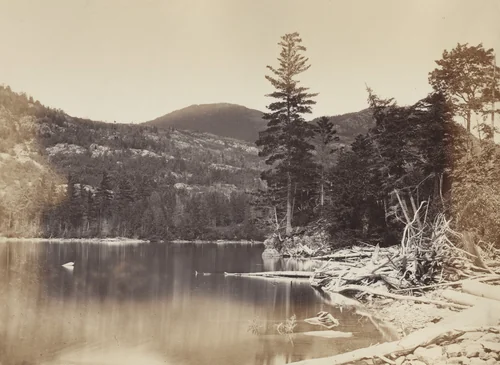
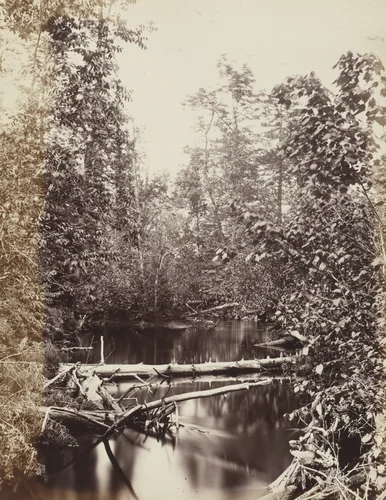
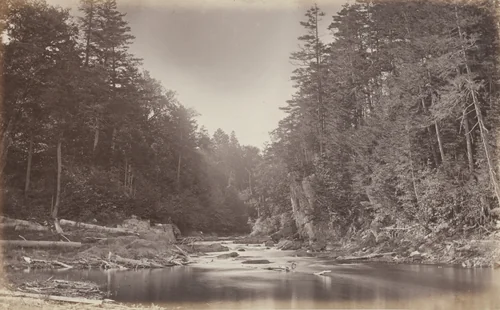
Alexander Henderson (active 1860-1865) occupies a brief but critically important juncture in the early history of North American landscape photography. Operating during the transitional period when photography was moving from documentary practice toward artistic endeavor, Henderson’s surviving body of work, comprising roughly fifteen known photographs, demonstrates a technical precision rarely matched by his contemporaries in the Canadian sphere.
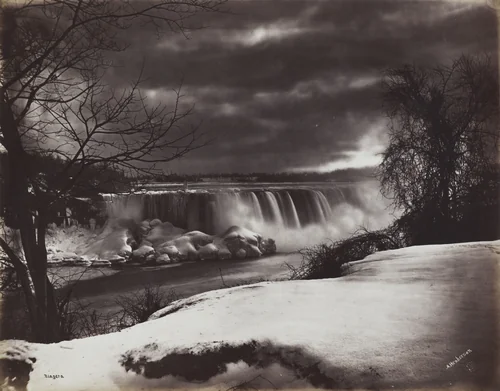
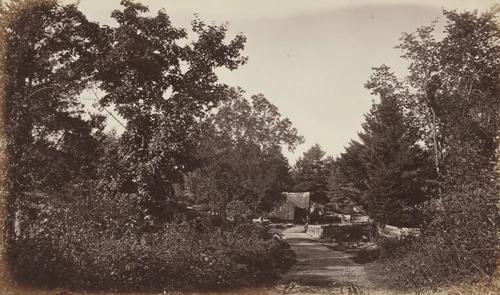
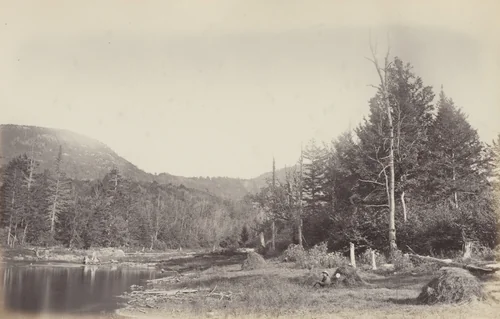
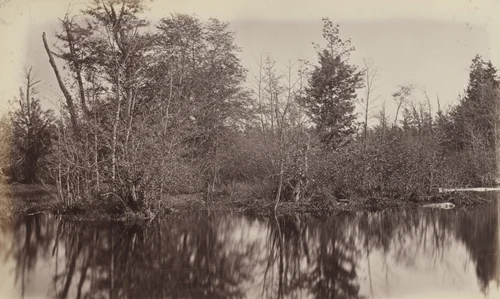
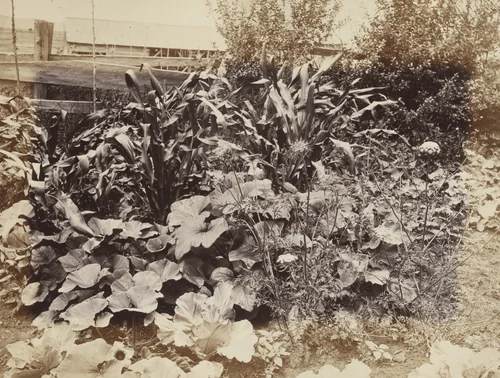
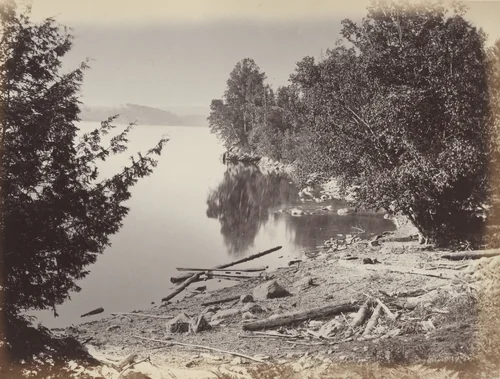
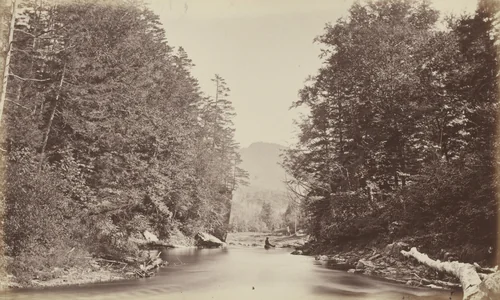
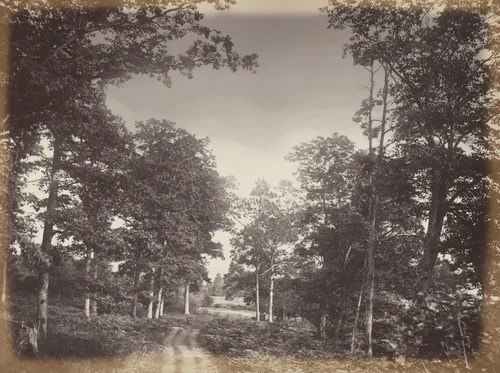
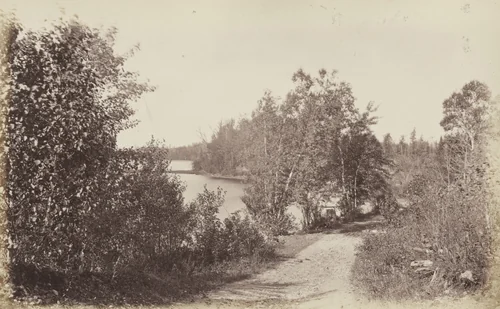
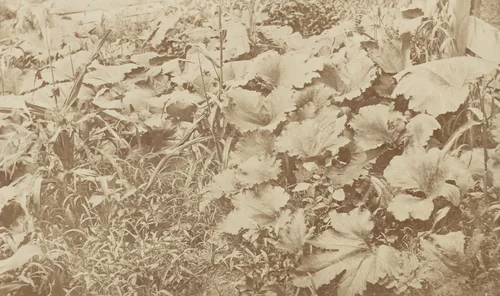
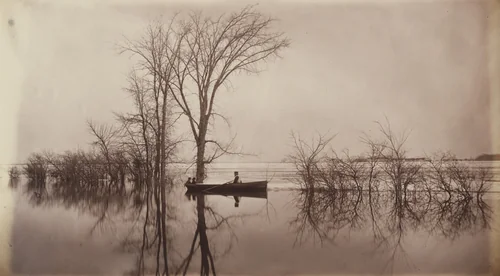
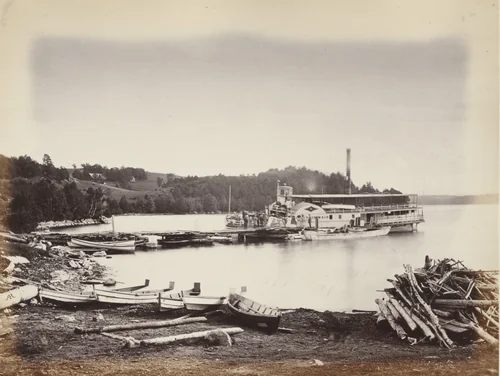
Working almost exclusively with the complex wet-plate collodion process, which required portable darkrooms and instantaneous development in the field, Henderson’s achievements were logistical as well as aesthetic. While he captured the quintessential national monument in his renowned view of Falls of Niagara, his most compelling work involves the more intimate topography of the Canadian landscape, specifically the Eastern Townships (E.T.). Images such as Country Road, E.T. and Hay Meadow, E.T. elevate commonplace rural scenes through sophisticated composition and meticulous attention to light and shadow.
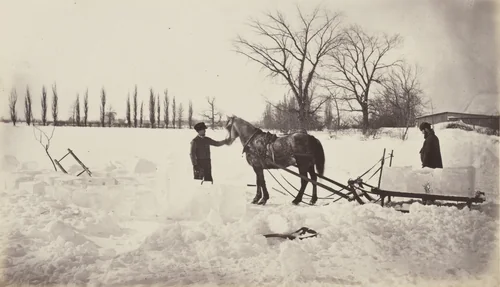
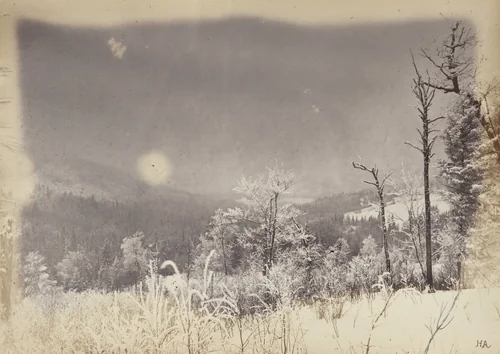
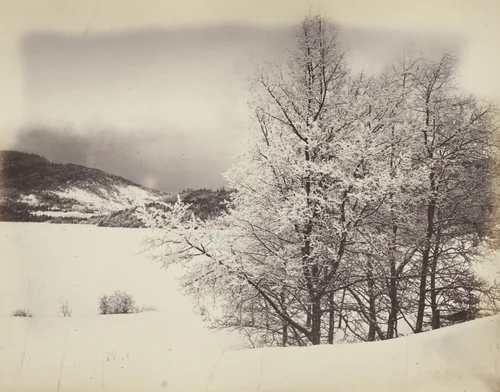
Henderson’s greatest technical challenge, and perhaps his most defining innovation, was his consistent pursuit of winter imagery. Capturing snow and ice in the 1860s was an immense undertaking, demanding long exposures that risked reciprocity failure and required handling volatile chemicals in freezing conditions. Photographs such as Ice Drawing and the exceptional In Beauport (Near Quebec); Taken While Snowing attest to his specialized skill, focusing on atmospheric conditions and the abstract patterns formed by frost and accumulation. One might observe that for an artist whose primary surviving works focus on light reflected off ice and snow, his career was remarkably short-lived.
Despite his compact artistic period, Henderson’s influence persists through his contributions to early photographic documentation. His technical legacy is secured through the preservation of his albumen prints, many of which reside in major collections, including the Museum of Modern Art and the Cleveland Museum of Art. The clarity and preservation quality of these images continue to inspire interest, ensuring that museum-quality photographs and high-quality prints of his seminal works are increasingly accessible for study as they enter the public domain.
Source: Wikipedia · CC BY-SA 4.0