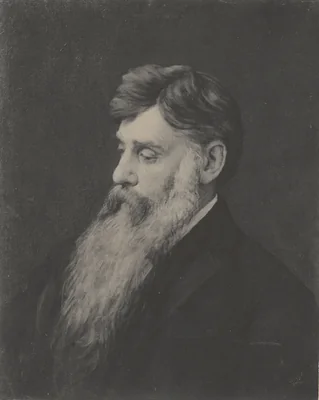
Alexander H. Wyant
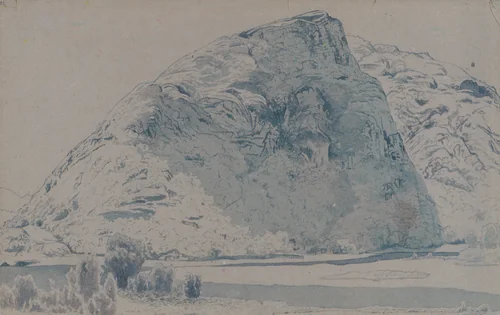
Alexander Helwig Wyant (1836-1882) stands as a pivotal transitional figure in nineteenth-century American landscape painting, bridging the detailed narrative approach of the Hudson River School with the introspective moodiness of early Tonalism. Active primarily between 1836 and 1882, Wyant’s artistic journey chronicles the shift from expansive topographical documentation toward deeply felt, atmospheric expression. His significance is underscored by representation in major institutions, including the Metropolitan Museum of Art and the Cleveland Museum of Art.
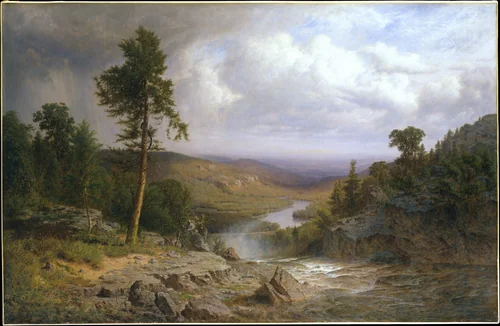
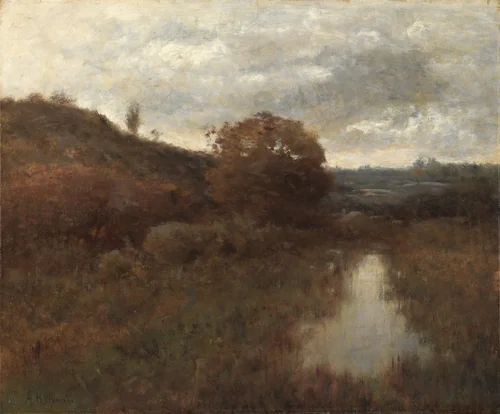
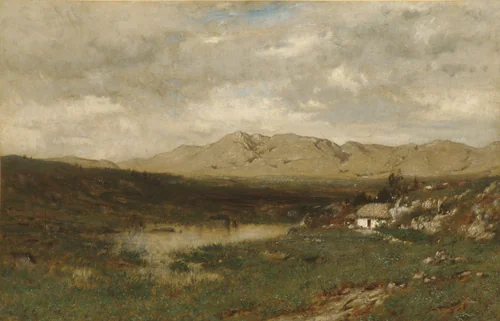
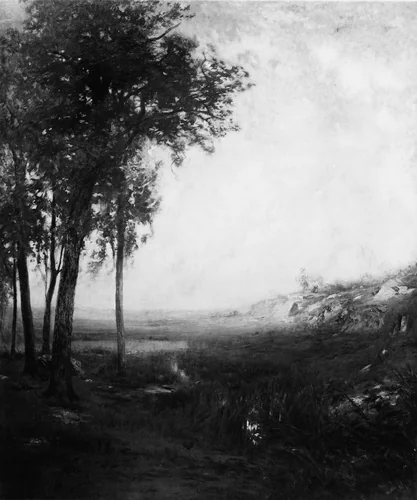
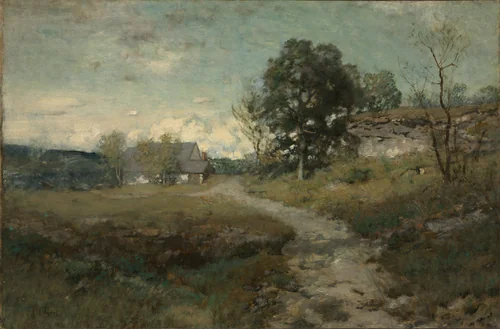
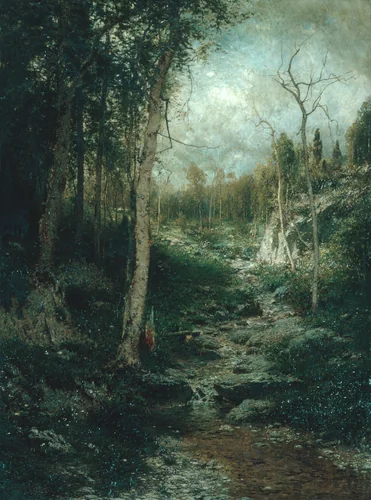
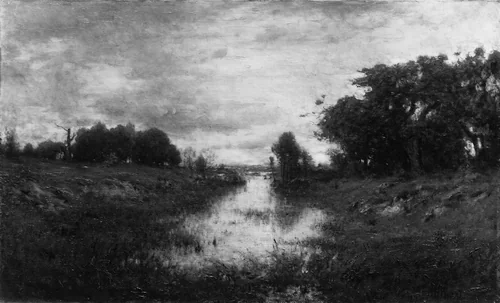
Wyant’s early compositions, such as Mountain Landscape and Tennessee, adhered to the pastoral conventions of his contemporaries, presenting nature with clarity and a direct, legible narrative structure. However, by the 1870s, his work evolved dramatically, absorbing the influence of Barbizon realism and synthesizing it into an American aesthetic that favored nuance, shadow, and emotional resonance over strict topographical fidelity. Works like Autumn Landscape and Pool and Broad, Silent Valley exemplify this mature style, where form dissolves into a subtle harmony of tone and color, anticipating the development of American aestheticism.
A subtle but profound demonstration of his commitment to his craft occurred following a paralytic stroke that afflicted his right side. Rather than abandoning painting, Wyant taught himself to execute his evocative, complex landscapes with his left hand. This enforced physical adaptation ironically coincided with his shift toward a looser, more poetic handling, solidifying his reputation as a master of atmospheric effect.
Wyant’s enduring appeal rests on his ability to capture the quiet dignity of the American wilderness, rendering it in a manner that feels both specific and timeless. His ability to evoke mood using limited palettes makes his surviving Alexander H. Wyant paintings highly sought after. Today, many of his seminal works reside in the public domain, allowing institutions and collectors to offer museum-quality reproductions. These downloadable artwork options, often available as high-quality prints, ensure his subtle contributions to American art history remain accessible for study and appreciation.
Source: Wikipedia · CC BY-SA 4.0