Alexander Archipenko
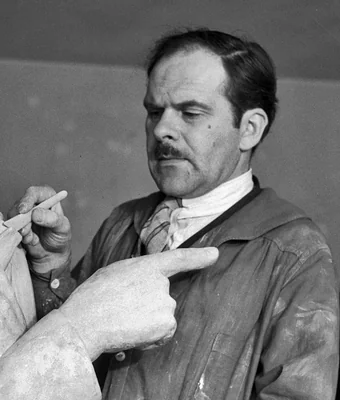
Alexander Porfyrovych Archipenko (1887-1964) stands as a pivotal figure in the early twentieth-century avant-garde, celebrated for fundamentally translating the formal logic of Cubism into three-dimensional space. A Ukrainian-American artist, sculptor, and graphic artist, he was highly active across France and the United States, cementing his reputation as a key innovator who redefined the conventional relationship between mass and void.
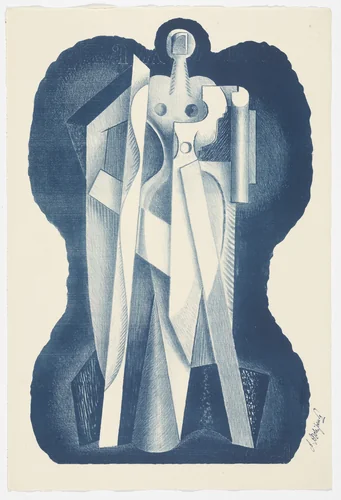
Archipenko was among the very first artists to apply the analytical principles of Cubism directly to sculpture, effectively bridging painting and architecture. Moving beyond traditional representation, he pioneered the analysis and reconstruction of the human figure into complex, interlocking geometrical forms. His radical use of negative space was central to his aesthetic; he treated holes and absences not as empty surrounding air, but as palpable, active sculptural elements. This technique challenged traditional perceptions of volume and mass, forcing the viewer to complete the structure mentally.
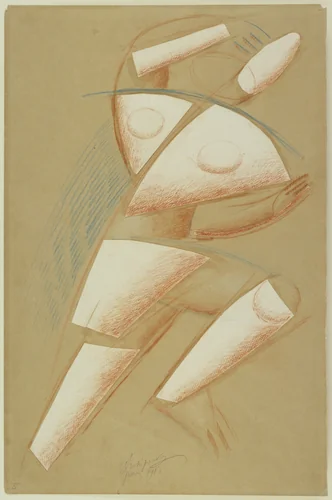
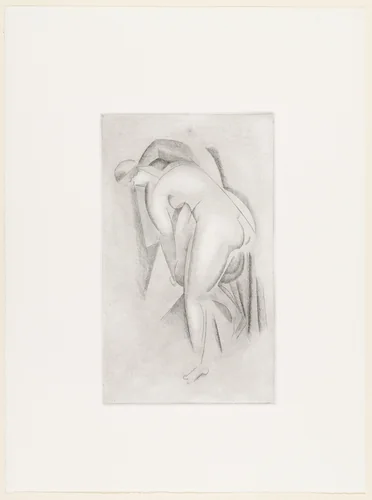
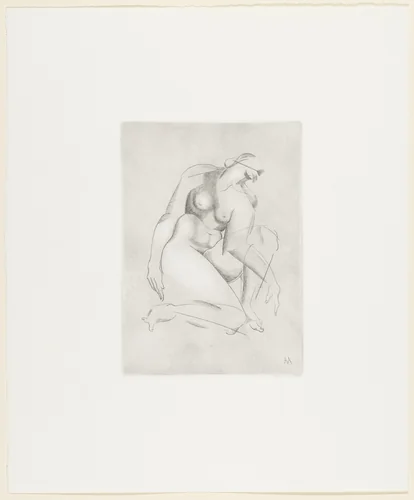
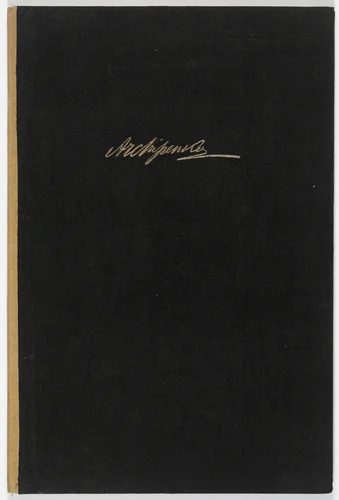
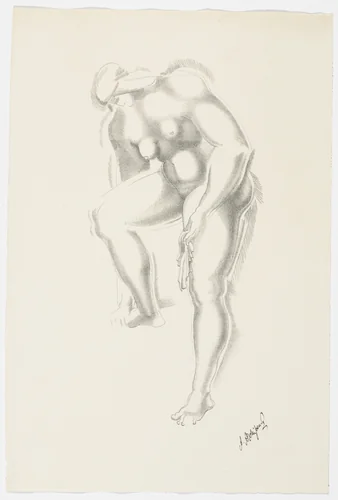
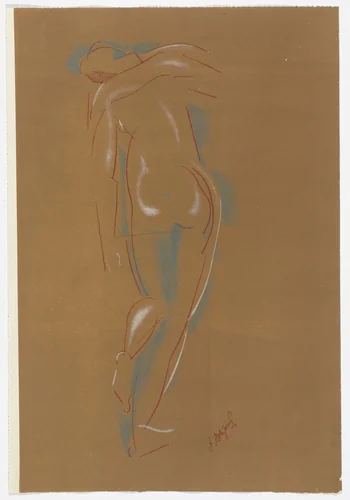
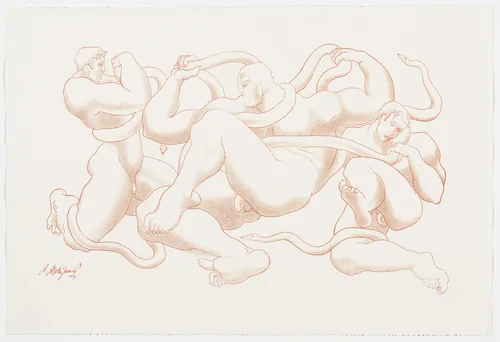
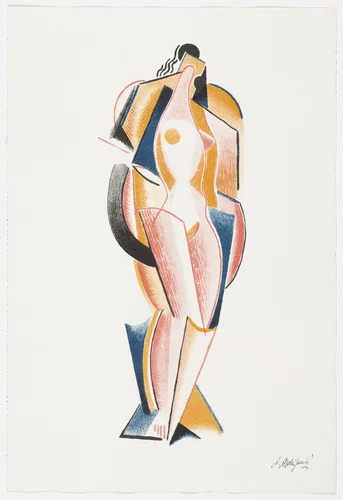
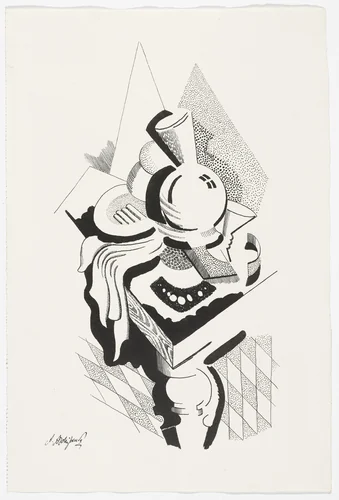
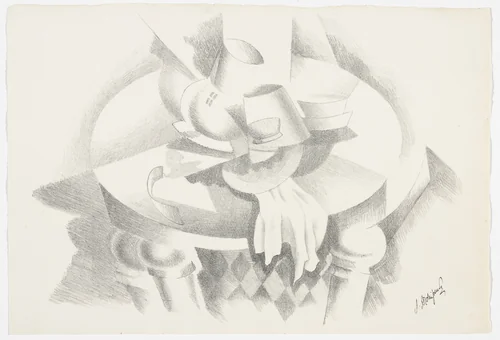
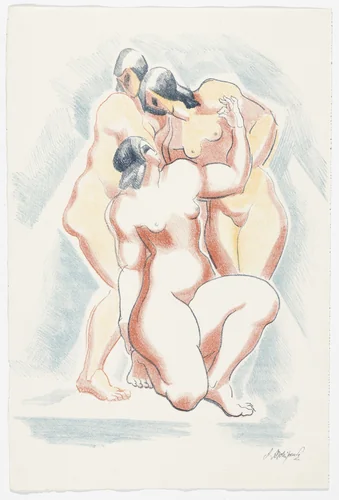
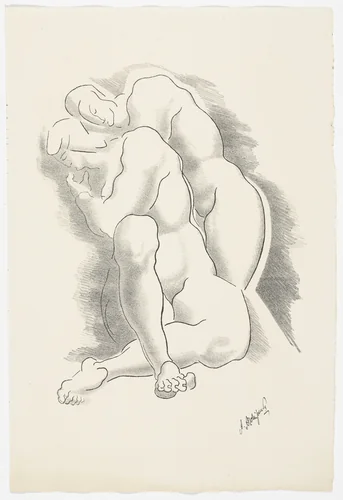
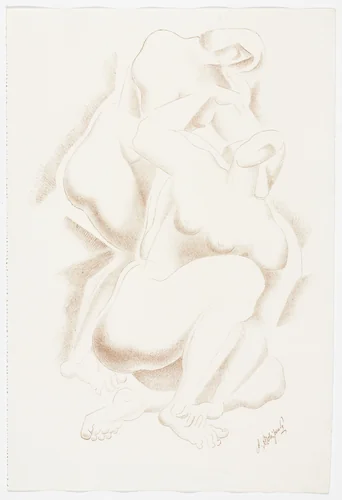
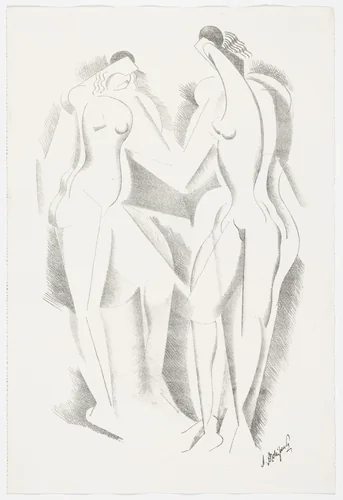
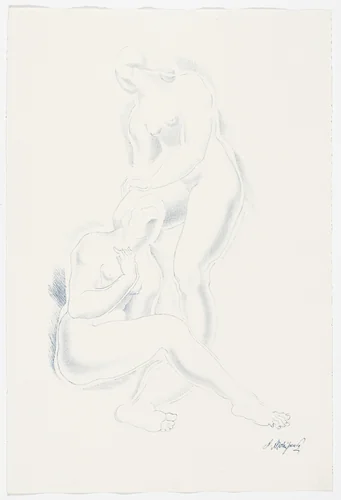
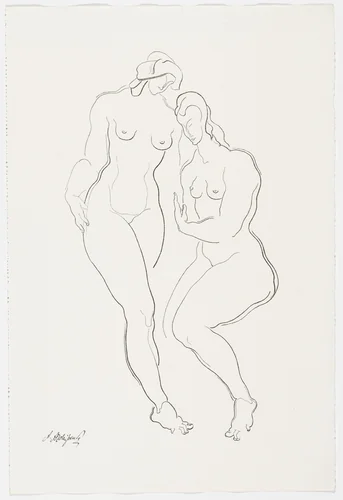
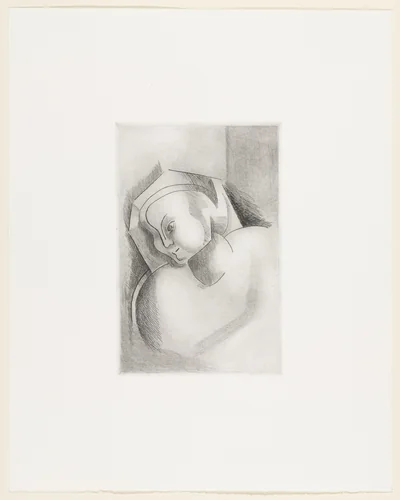
This analytical approach extended directly into his prolific graphic output. Active in printmaking roughly between 1913 and 1921, Archipenko produced stark, definitive lithographs that captured dynamism through faceted planes. His extensive graphic portfolios, such as the influential Alexandre Archipenko: Dreizehn Steinzeichnungen (Thirteen Stone Drawings), reveal the rigorous underpinnings of his spatial thinking. Works like Figure in Movement, Bending, and Kneeling showcase his unique ability to convey velocity and tension through abstracted planes and contours. Curiously, for an artist dedicated to making the invisible tangible through sculptural void, his clearest formal explanations often came through the stark, two-dimensional lines of his high-quality prints.
Archipenko’s historical impact remains profound. Having works held in major international institutions, including the Museum of Modern Art, he established himself as a standard-bearer for modernist sculpture. Today, much of his graphic output is available in the public domain, allowing enthusiasts and scholars access to downloadable artwork. These museum-quality prints provide essential insight into the genesis of his most radical spatial ideas, securing his status as an essential figure in the history of abstract form.
Source: Wikipedia · CC BY-SA 4.0