Alessandro Turchi
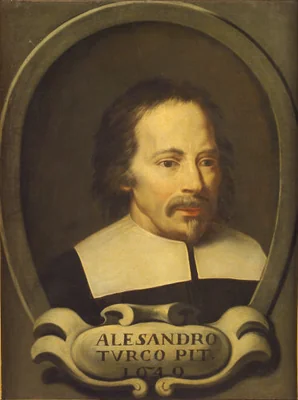
Alessandro Turchi (1578-1635) was a foundational figure in the transition to the Baroque style, active primarily in his native Verona before undertaking a pivotal relocation to Rome later in life. Known also as Alessandro Veronese or by the evocative nickname L'Orbetto, Turchi successfully synthesized the rich Venetian tradition of color with the rigorous naturalism emerging in Rome, establishing a distinctive artistic voice that bridged regional differences.
Turchi’s aesthetic synthesis distinguishes him within the early Roman Baroque environment. His style is marked by a distinctive combination of soft, elegant modeling and profound, dramatic shadow work. The resulting visual language, often described as ‘softly Caravaggesque,’ suggests an artist keenly adopting the tenebroso innovation of the movement’s master without sacrificing classical compositional grace. His ability to fuse dramatic light with rich, saturated color appealed equally to private patrons and ecclesiastical bodies, demonstrating a keen intelligence for the complex, evolving demands of seventeenth-century narrative painting.
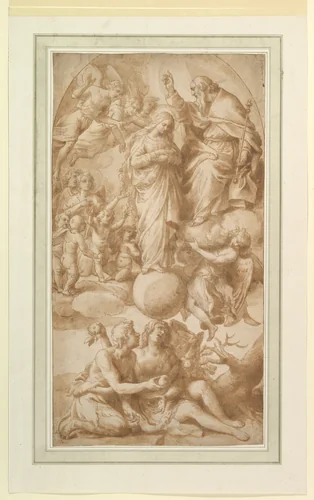
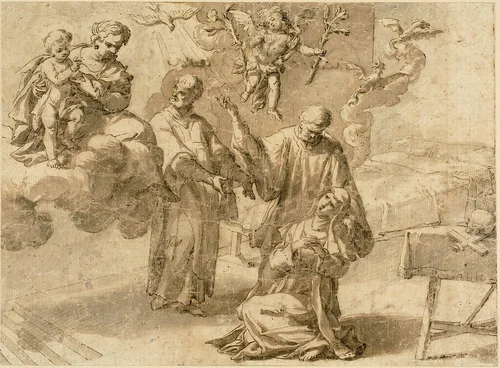
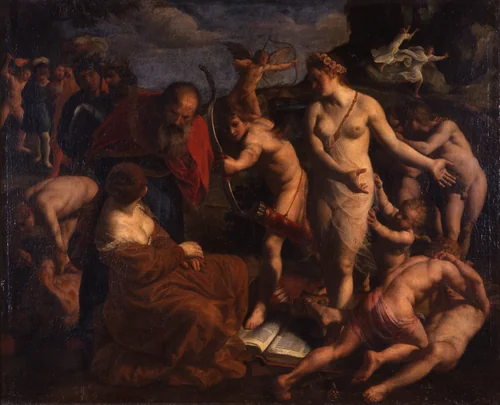
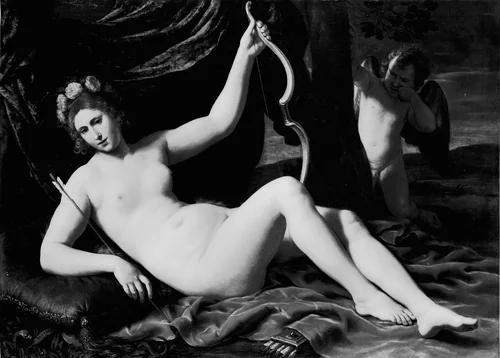
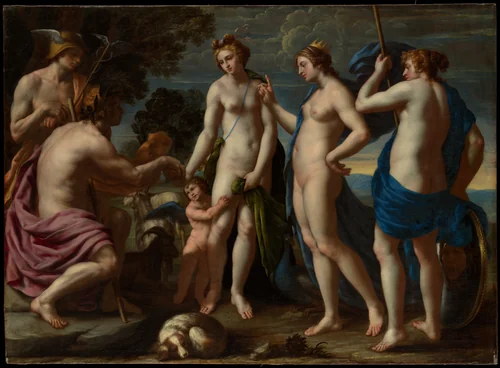
The breadth of Turchi’s output is evidenced by works ranging from profound religious meditations, such as the compelling Allegory of the Immaculate Conception with the Fall of Man and the Vision of Saint Catherine of Siena, to sophisticated mythological scenes intended for cultured clientele. His allegorical paintings, including Venus and Cupid and the highly regarded Allegory on the Power of Love ('Omnia Vincit Amor'), reveal Turchi as a skilled interpreter of classical literature, a necessary attribute for any successful artist working in the Eternal City. It is worth noting the remarkable consistency in the museum-quality of his production, pieces now held in internationally significant collections including the Mauritshuis, the Metropolitan Museum of Art, and the Art Institute of Chicago.
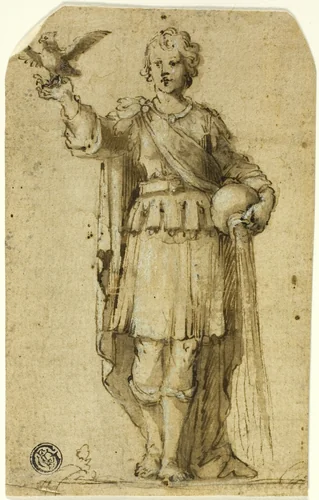
Though sometimes overlooked by historians focused solely on the Roman School, Turchi’s contribution cemented the Veronese legacy within the broader Italian Baroque landscape. His enduring technical mastery ensured his work’s survival and relevance. For those wishing to study his dramatic handling of form and light, high-quality prints of his work are increasingly accessible as many of his drawings and Alessandro Turchi paintings transition into the public domain.
Source: Wikipedia · CC BY-SA 4.0