Alessandro Paganino
Alessandro Paganino was active as a designer and publisher of pattern books beginning in 1532. Their specialized output centers on instructional volumes related to textile arts and design, a genre critical for the transmission of decorative techniques during the sixteenth century. Based on institutional records, fifteen books associated with Paganino are preserved in museum collections, confirming the artist’s significance in documented design history.
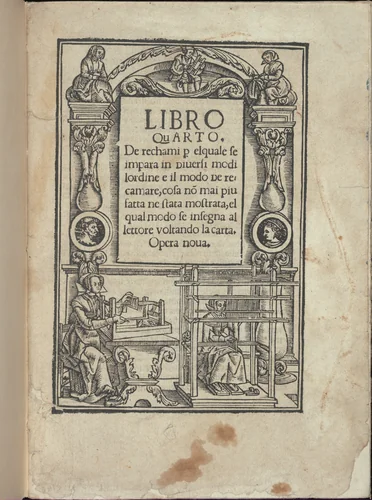
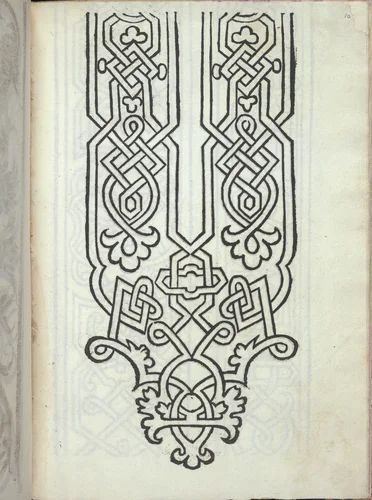
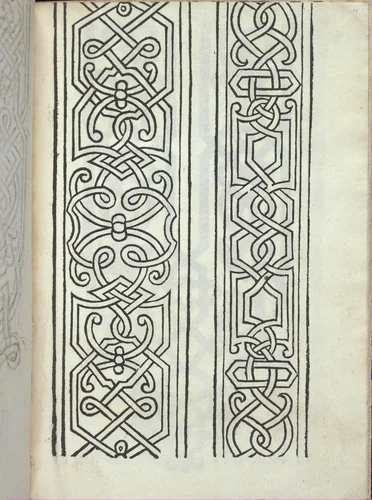
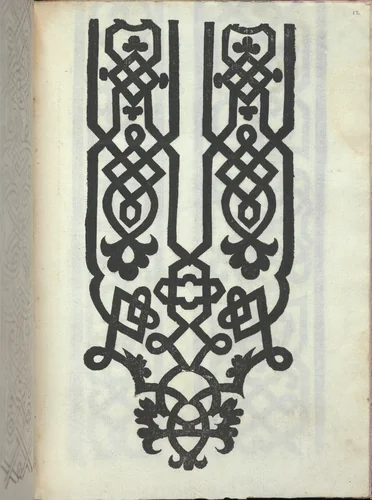
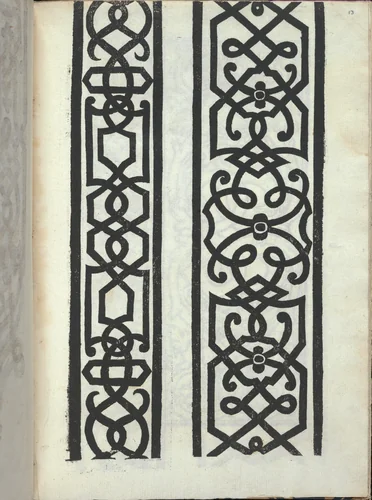
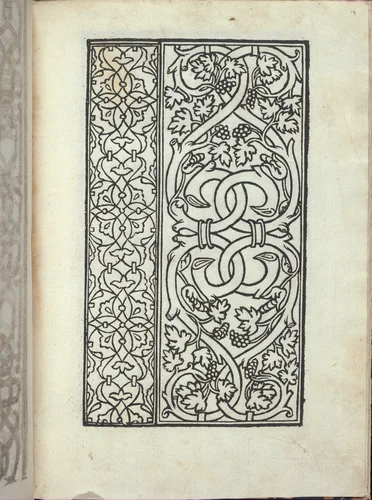
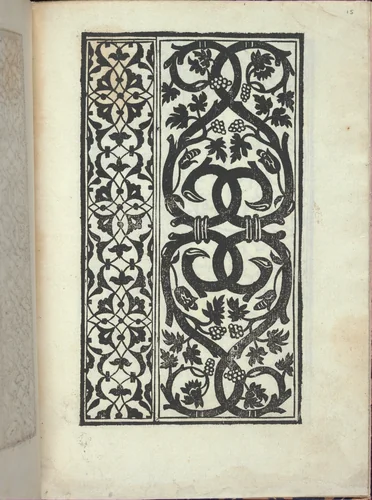
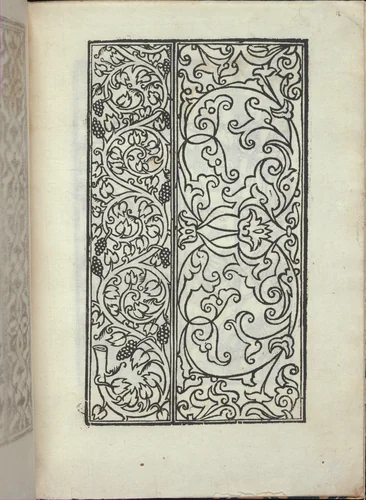
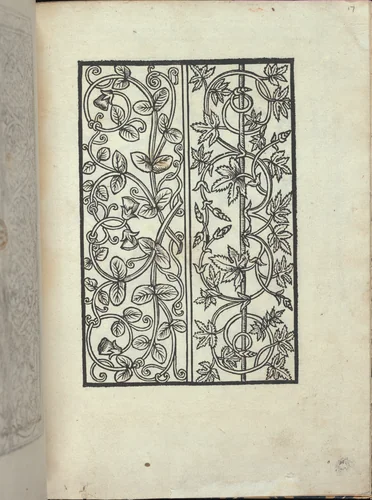
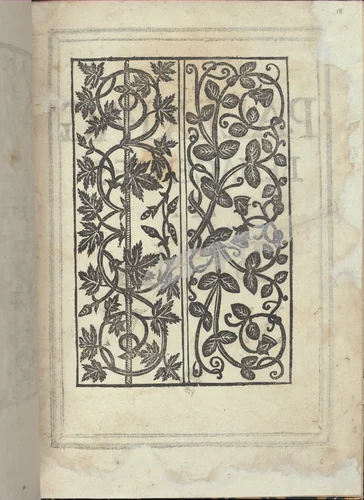
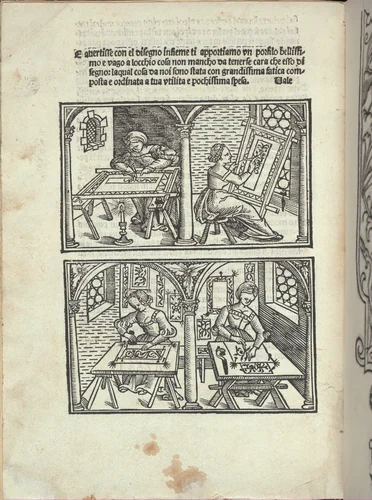
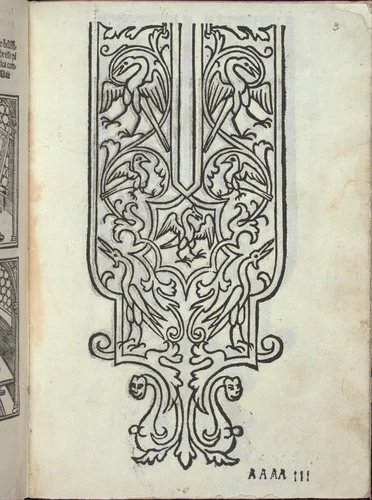
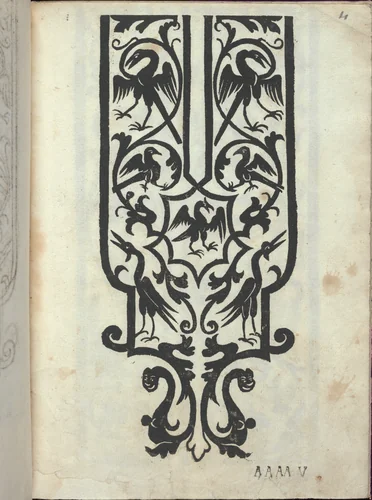
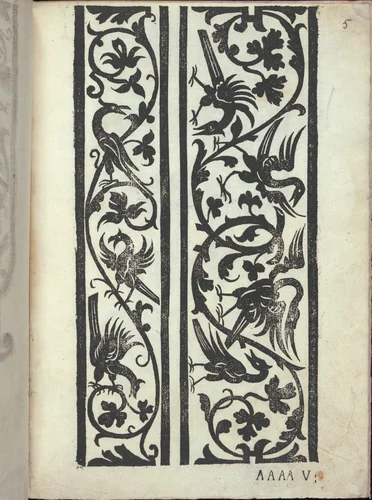
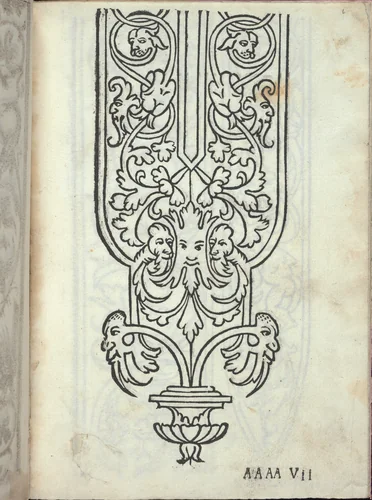
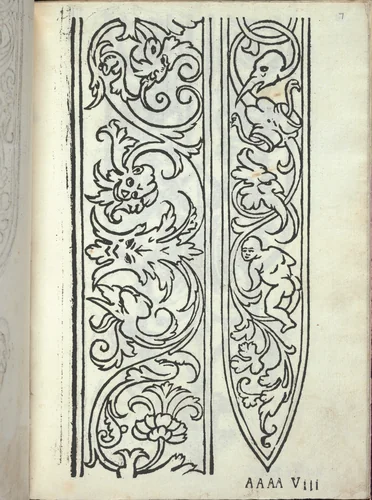
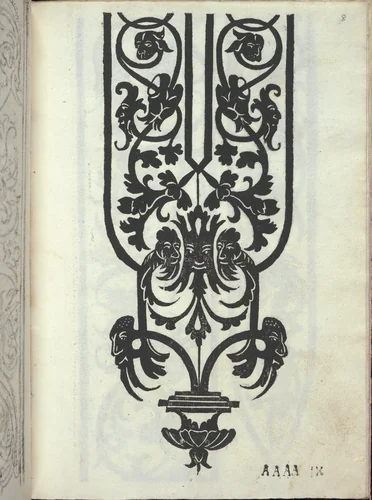
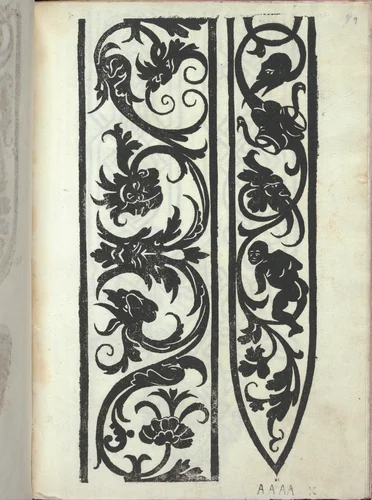
Paganino’s volumes are primarily concerned with needlework and lace patterns. A major example of this work is the highly detailed Libro quarto. De rechami per elquale se impara in diuersi modi lordine e il modo de recamare...Opera noua. This volume, designed to teach various orders and methods of embroidery, demonstrates the meticulous layout and precision required for period textile creation. Individual folios from this work, often focusing on grid-based or geometric arrangements, are cataloged separately, illustrating the scope of the original publication.
The enduring relevance of Paganino’s publications is evidenced by their inclusion in prestigious holdings, including the Metropolitan Museum of Art. These early design manuals provide essential primary source material for textile historians and scholars of the Renaissance. Today, due to the age of the original volumes, many of these plates and designs are held in the public domain, allowing institutions to offer both downloadable artwork and high-quality prints for continued study and reference.