Alessandro Magnasco
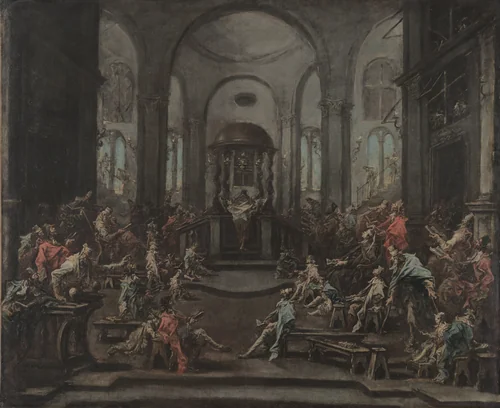
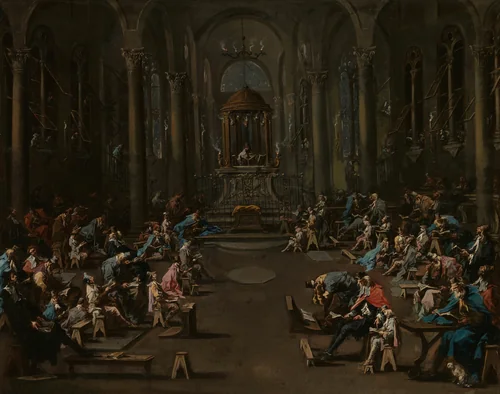
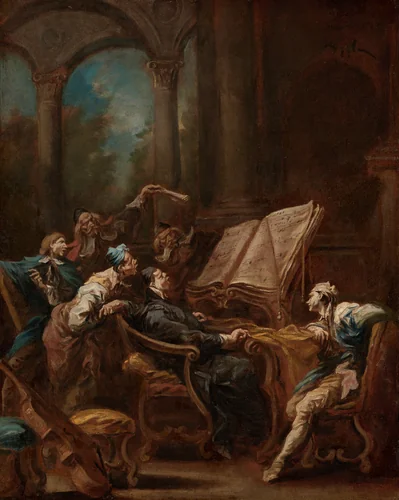
Alessandro Magnasco, often known by the diminutive il Lissandrino, was an important Italian painter active primarily in Milan and Genoa during the late-Baroque period (c. 1667-1710). While European painting was largely focused on classical grandeur and measured theatricality, Magnasco cultivated a distinctive, often unsettling style that positioned him as a forerunner to later dramatic aesthetics. He is best recognized for his Alessandro Magnasco paintings, which depict phantasmagoric genre scenes and turbulent landscapes, shifting the visual focus from idealized narrative to raw, kinetic atmosphere.
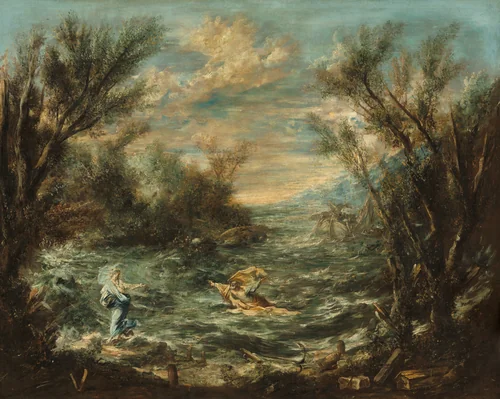
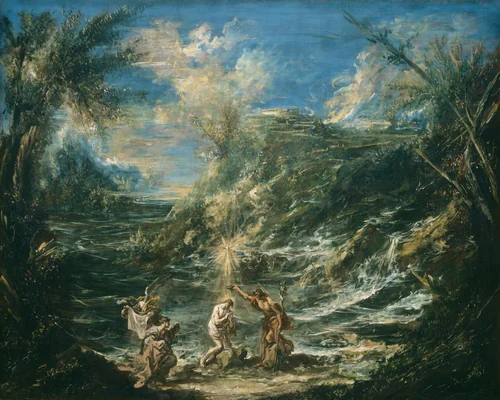
Magnasco’s artistic innovation stemmed from his radical rejection of the traditional smooth finish and compositional balance expected of the era. His approach relied on fragmented forms rendered through exceptionally swift brushstrokes, creating a palpable sense of frantic movement. This technique generates characteristic, darting flashes of light that seem to slash across the canvas, illuminating the figures and settings momentarily before retreating into deep shadow. This creates a visual effect that is less a formal painting and more an intense, fleeting projection. Works such as Figures in a Storm exemplify this method, where the environment itself appears fractured by chaotic energy.
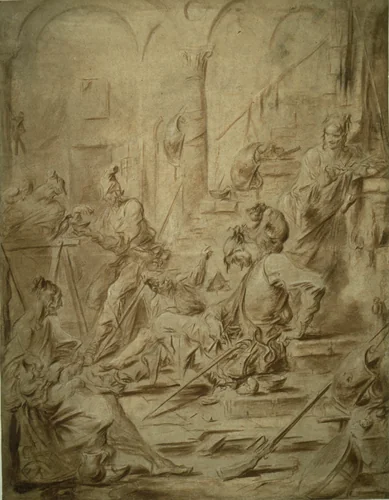
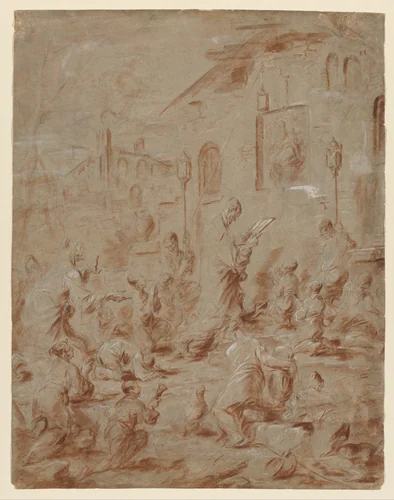
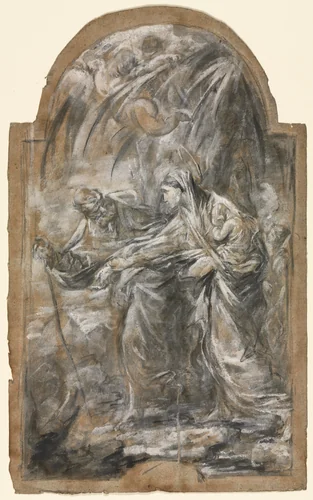
While his output was substantial, ranging from large canvases to detailed drawings like Study Sheet with Seated Figures, Magnasco’s style remained remarkably consistent. He treated conventional themes with startling originality, evidenced by the psychological tension of Return of the Prodigal Son or the dramatic religious narrative of Elijah Visited by an Angel in the Wilderness (1 Kings 19:4-8). His unique focus on peripheral social groups and the intensity of natural phenomena set him apart from his contemporaries, affording him a significant, if idiosyncratic, place in Italian art history.
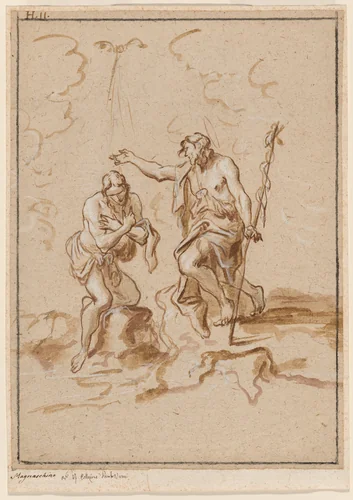
Today, works by Magnasco are held in major international institutions, affirming his legacy as a master of the visually dramatic. Examples of his mastery, including A Shepherd Addressing a Seated Male Nude, can be found in collections such as the Metropolitan Museum of Art, the Art Institute of Chicago, and the Rijksmuseum. Scholars and enthusiasts frequently seek out high-quality prints and imagery related to his output, particularly since many of his works now reside in the public domain, making downloadable artwork widely accessible for study and appreciation.
Source: Wikipedia · CC BY-SA 4.0