Alessandro Algardi
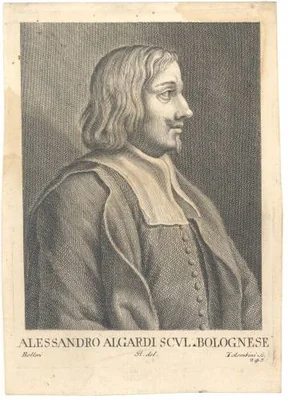
Alessandro Algardi (1598-1647) stands as one of the defining masters of the Italian high-Baroque style, working almost exclusively within the exacting artistic environment of Rome. While his reputation is sometimes overshadowed by his contemporary Gian Lorenzo Bernini, Algardi was, in the latter decades of his career, a critical counterpoint to Bernini’s expressive dynamism. Alongside Francesco Borromini and Pietro da Cortona, Algardi provided an essential element of creative tension that fueled the sculptural and architectural advancements of mid-seventeenth-century Rome. His disciplined approach and refined classicism offered a significant and highly successful alternative to the theatricality often associated with the era.
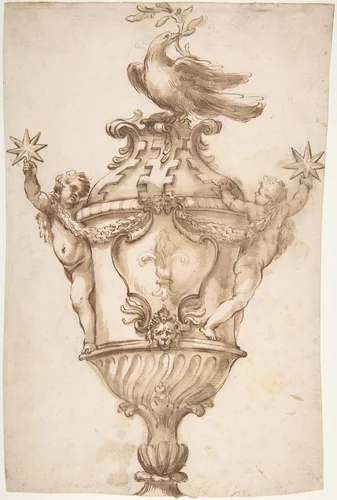
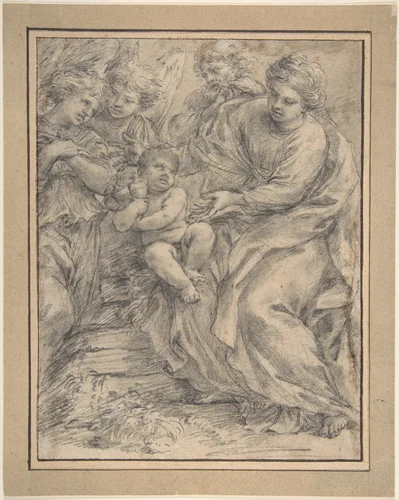
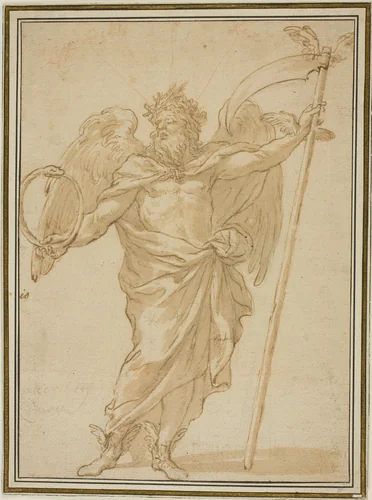
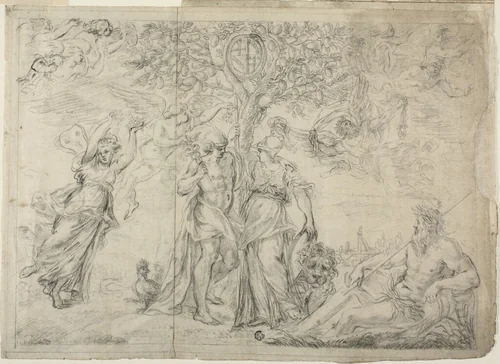
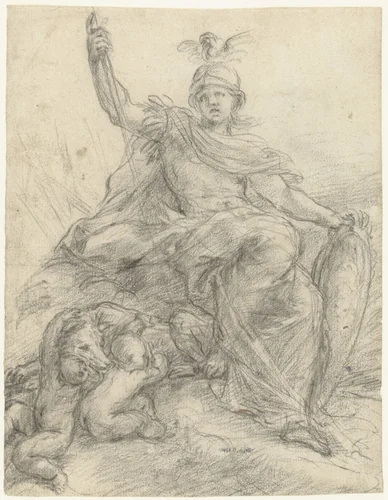
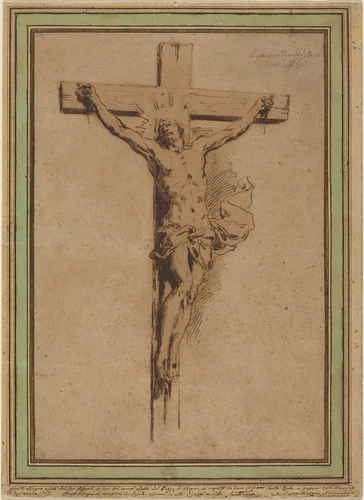
Algardi is perhaps most universally admired today for his portrait busts, which perfectly balance humanistic immediacy with aristocratic dignity. These works possess a psychological vivacity captured through meticulous attention to drapery, texture, and compositional clarity. The dignity observed in these three-dimensional portraits is mirrored in his two-dimensional output; Algardi was a superb draftsman, utilizing sketches to refine intricate compositional ideas before execution. This mastery is evident in works such as his detailed Design for a Covered Vase with the Arms of the Aldobrandini and Pamphilj Families, revealing his proficiency in decorative arts and courtly patronage. Other notable studies, like Father Time and the more intimate The Holy Family with Two Angels, showcase his range from allegorical grandeur to religious sentiment. This deep commitment to preparatory drawing ensures that high-quality prints and studies of his original concepts remain widely sought after by researchers and collectors.
The sustained activity of Algardi across four decades solidified his position among the capital’s artistic elite. His stylistic preference for stability, clarity, and a restraint rooted in the antique established precedents that influenced subsequent generations of Roman sculptors. Algardi’s historical impact is now preserved through major international institutions, including the National Gallery of Art, the Rijksmuseum, and the Metropolitan Museum of Art. For those studying the development of the Baroque period, many of his key drawings and designs are increasingly available as downloadable artwork, often entering the public domain to allow scholarly analysis of his sophisticated command of form and material. A curious footnote: Algardi’s success was so dependent on papal approval and patronage that his career momentum notably stalled following the death of his key supporter, Pope Innocent X, proving that even the highest-ranking artists were subject to the shifting dynamics of political fortune.
Source: Wikipedia · CC BY-SA 4.0