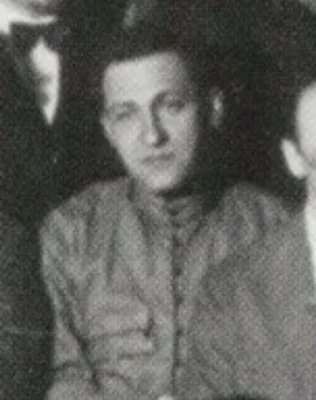
Aleksei Gan
Aleksei Mikhailovich Gan (1887-1942) remains a foundational, if sometimes overlooked, figure in the establishment of the Russian Constructivism movement. A prolific graphic designer and art theorist, Gan was essential in redefining the purpose of art in the nascent Soviet state, shifting the focus from individual expression to collective, utilitarian production. His philosophical journey, moving from anarchism to committed Marxism, directly informed his aggressive stance against traditional “contemplative” art following the 1917 revolution.
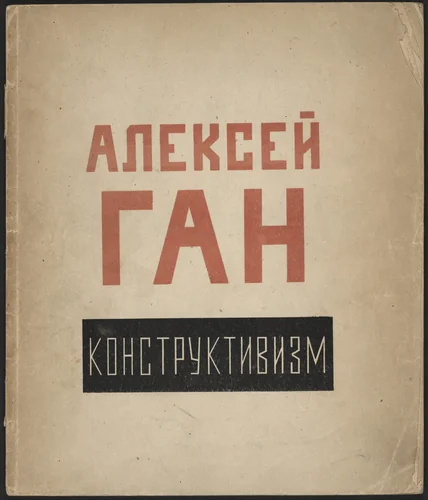
Gan’s theoretical significance is cemented by his 1922 treatise, Konstruktivizm. This manifesto provided the movement with its necessary ideological bedrock, demanding that artists abandon easel painting and sculpture in favor of three core principles: tektonika (industrial structure), faktura (material reality), and konstruktsiia (utilitarian organization). Gan posited that the ultimate goal was the "communist expression of material structure," effectively equating revolutionary politics with purely functional design and industrial output.
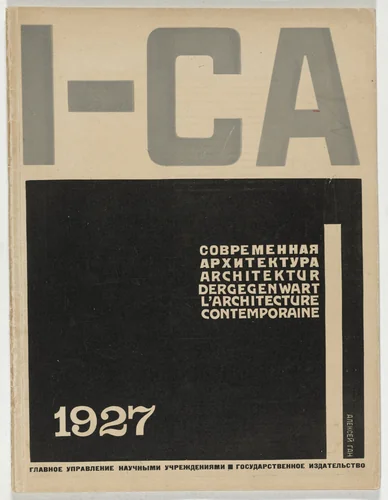
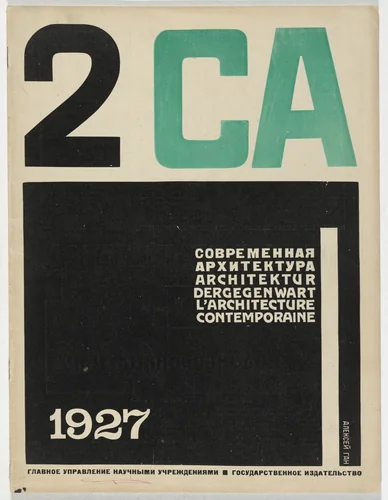
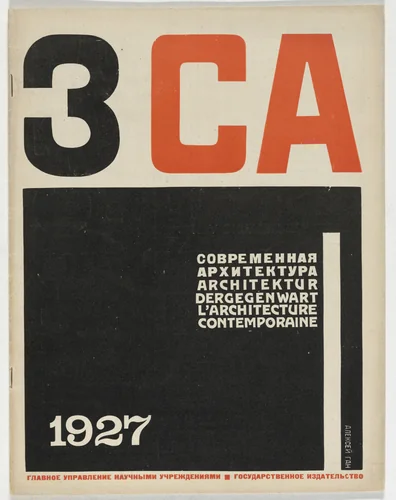
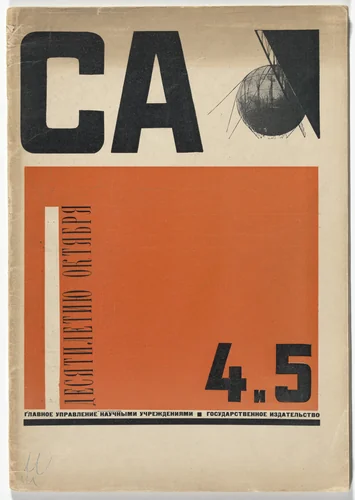
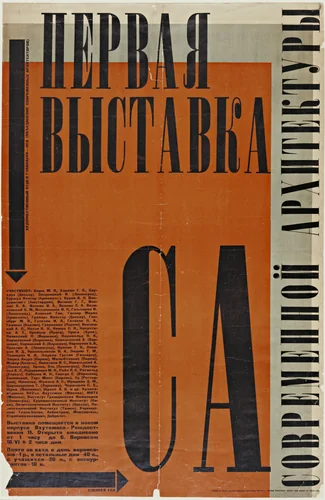
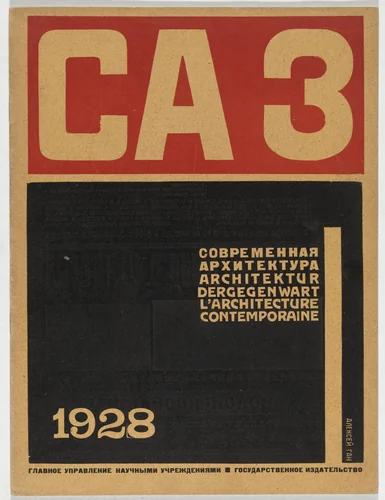
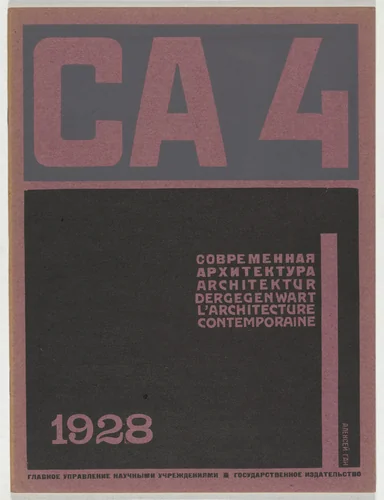
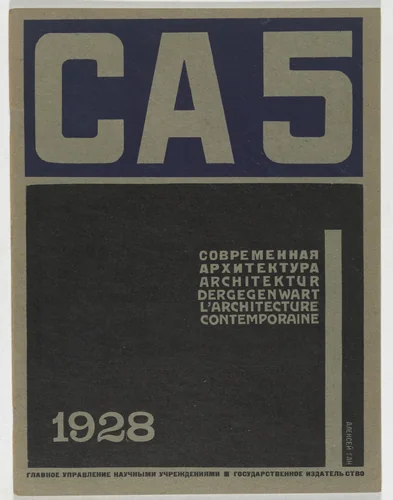
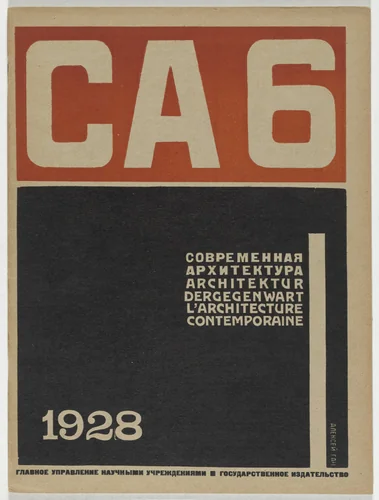
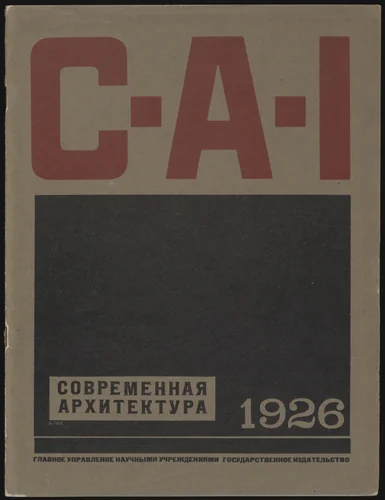
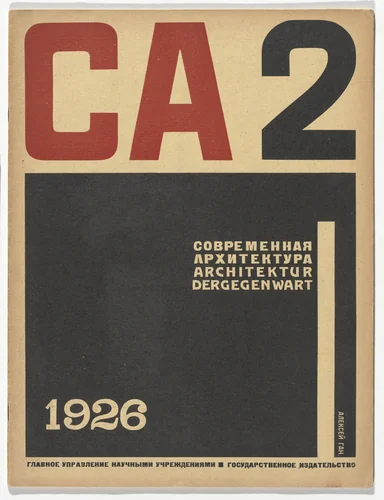
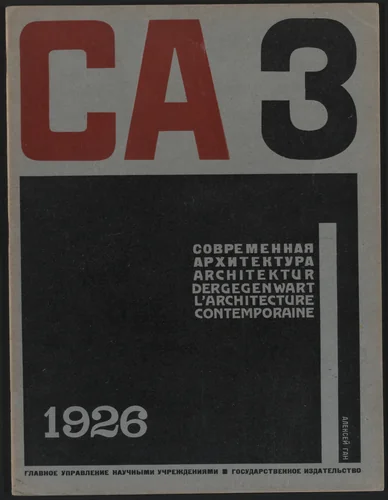
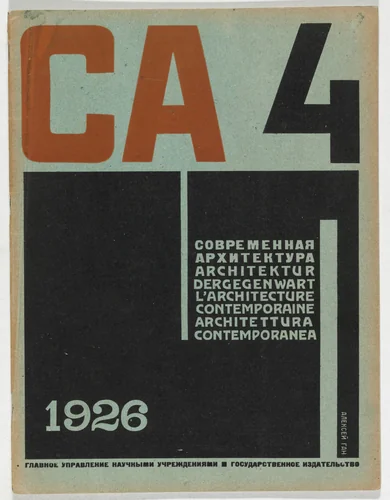
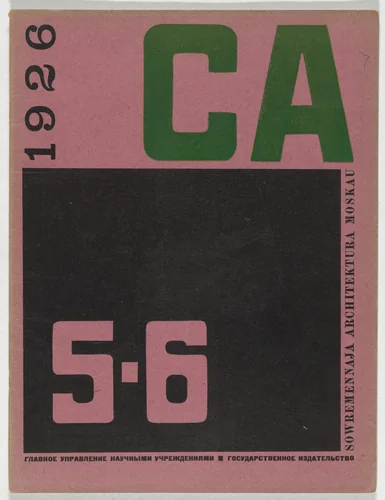
Though his active period was comparatively brief, spanning just 1922 to 1928, Gan transitioned seamlessly from polemicist to practicing designer, specializing in typography and layout for mass communication. His inventory of work is focused exclusively on print media: eleven periodicals, two illustrated books, and distinct design works, many of which reside in collections such as the Museum of Modern Art. His most enduring practical contributions are found in the design of major periodicals, notably the influential journal SA. Sovremennaia Arkhitektura (CA. Contemporary Architecture), where he laid out complex architectural concepts with uncompromising visual precision. One might note that for a man dedicated to eliminating aesthetic concerns, Gan possessed an undeniable flair for powerful, graphic symmetry.
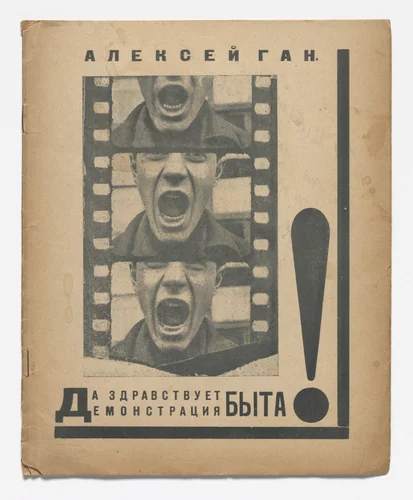
His work in publication design also included the illustrated book Da zdravstvuet demonstratsiia byta! (Long Live the Demonstration of Everyday Life!). Today, much of Gan’s innovative graphic output is in the public domain, allowing researchers and collectors access to downloadable artwork. These seminal Aleksei Gan prints serve as museum-quality documents of the Soviet avant-garde’s brief, brilliant, and highly disciplined rise.
Source: Wikipedia · CC BY-SA 4.0
![Poster for First Exhibition of Contemporary Architecture (Pervaia vystavka sovremennoi arkhitektury), VKhUTEMAS (Vysshie khudozhestvenno-tekhnicheskie masterskie [Higher state artistic and technical studios]), Moscow by Aleksei Gan, design, 1927](https://img.artbee.org/5dd7b047-fee7-4c1e-bbde-cca817efaec6/small.webp)