Albertus Brondgeest
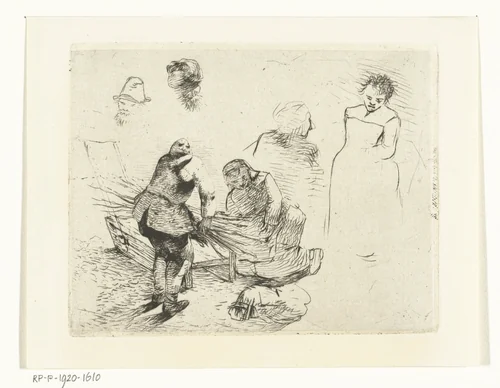
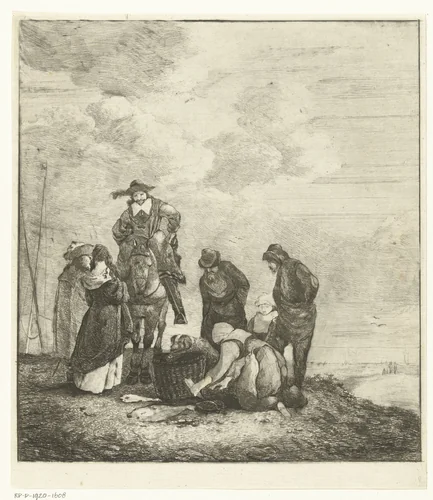
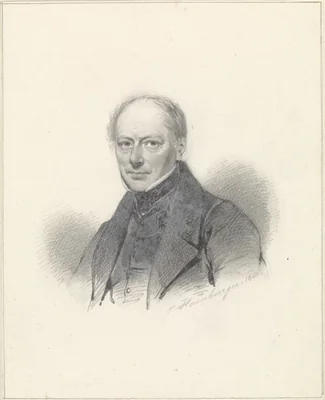
Albertus Brondgeest (active c. 1796) occupies a significant, though perhaps underestimated, space within the late Dutch Romantic period. Known primarily as a landscape painter and drawer, he maintained a distinct parallel career as an art trader. This professional duality afforded him critical insight into the aesthetic demands and commercial currents of the market, shaping his artistic output toward subjects that resonated both critically and popularly. His surviving oeuvre confirms an early focus on meticulous renderings of the Dutch countryside, with approximately fifteen high-quality prints and numerous drawings documenting his technical proficiency.
Brondgeest’s foundational training came from two notable masters: Pieter Gerardus van Os and Wouter Johannes van Troostwijk. From Van Os, he received rigorous grounding in traditional composition and draftsmanship. Van Troostwijk, a respected landscape specialist, undoubtedly influenced Brondgeest’s keen attention to the shifting effects of light and the careful depiction of atmospheric conditions, elements integral to the established Dutch landscape tradition he inherited.
His landscapes often highlight the interplay between nature’s grandeur and modest human activity, creating scenes of quiet, observant engagement. Examples include the contemplative Landschap met eikebomen en man bij water, which showcases his ability to handle subtle tonal variations, and the more focused Landschap met grote beukeboom en ruiter in gesprek met man. Brondgeest was equally capable of capturing specific, localized views, as seen in Gezicht op het Spaarne met scheepstimmerwerf en washuis bij Haarlem, which provides a detailed document of maritime industry on the periphery of the major Dutch cities.
While his fame rests mainly on these bucolic settings, Brondgeest occasionally executed compelling genre scenes, offering intimate narrative glimpses into domestic life. The recurring motif found in the works titled Dokter op huisbezoek bij zieke vrouw demonstrates a sensitivity to human vulnerability and the drama of daily existence. It is perhaps no coincidence that an art trader, accustomed to diagnosing the needs and tastes of the market, was equally skilled at depicting the diagnosis of the human condition. His works are proudly held in institutional collections, including the Rijksmuseum. Many of Brondgeest’s drawings and Albertus Brondgeest prints are now in the public domain, offering scholars and enthusiasts access to his detailed observations as downloadable artwork, ensuring his sustained influence for future generations.
Source: Wikipedia · CC BY-SA 4.0