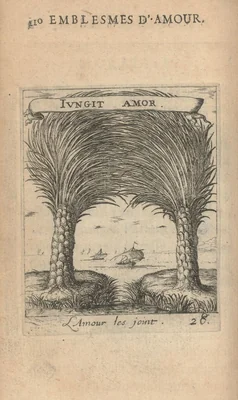
Albert Flamen
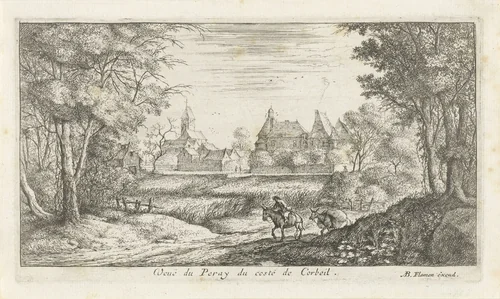
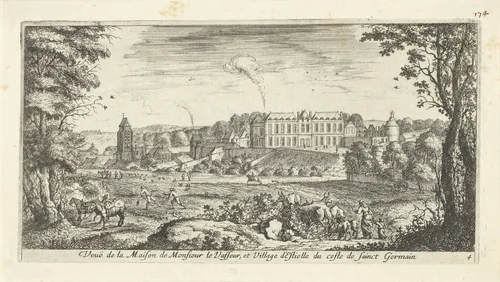
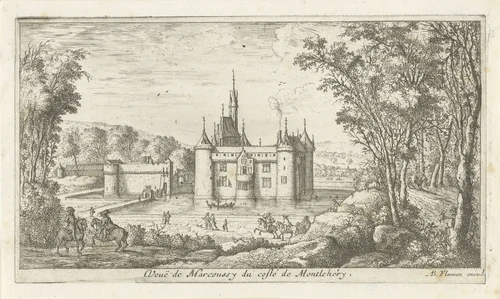
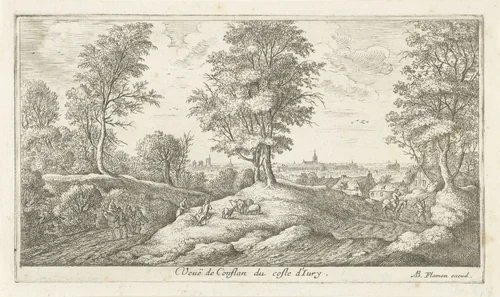
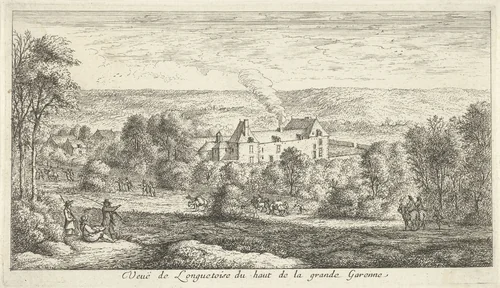
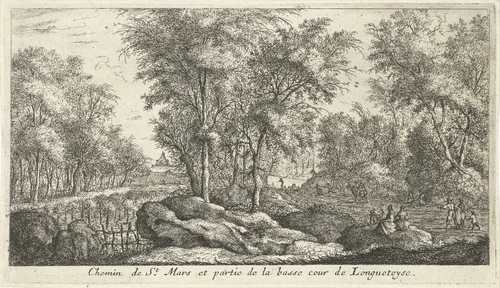
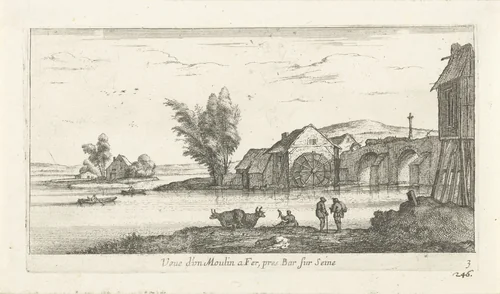
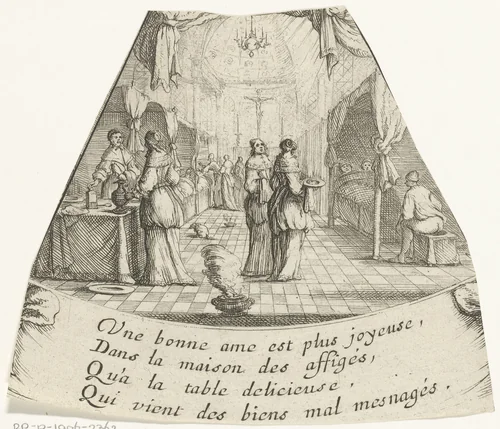
Albert Flamen was a highly active Flemish artist specializing in printmaking and illustration during the first half of the seventeenth century. Though born in Flanders, his professional career was centered in Paris, where he operated successfully as a versatile engraver, painter, and tapestry designer between approximately 1620 and 1645. His technical mastery and broad skill set made him a crucial contributor to the expanding Parisian publishing market.
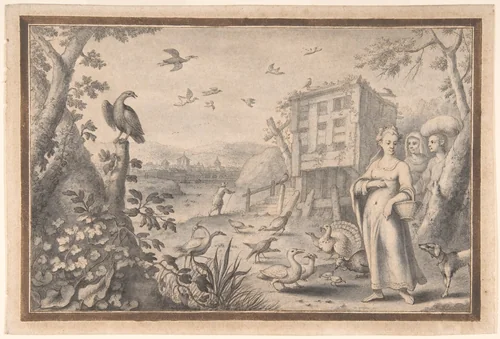
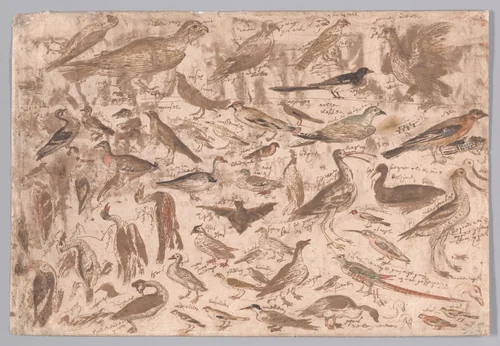
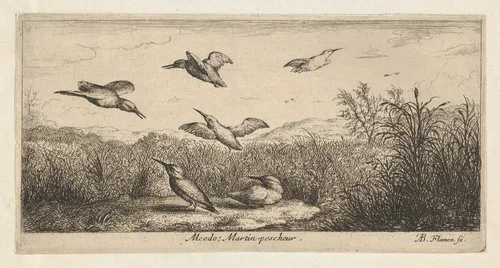
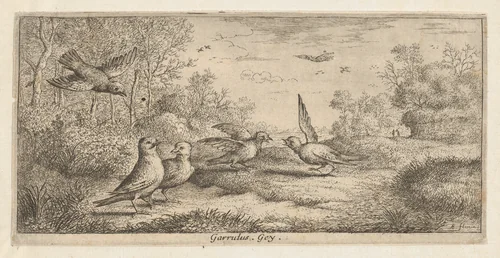
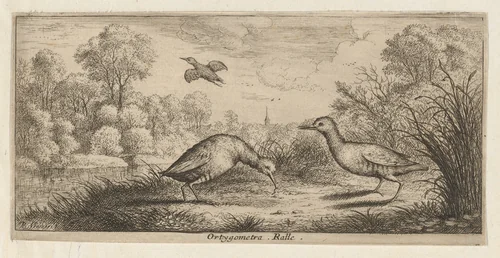
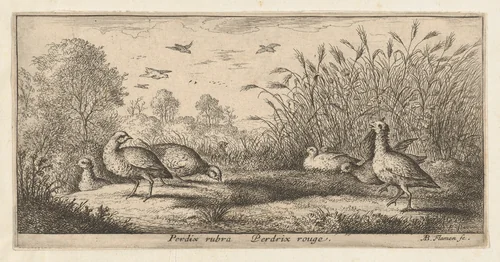
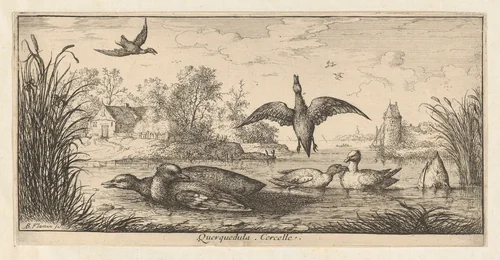
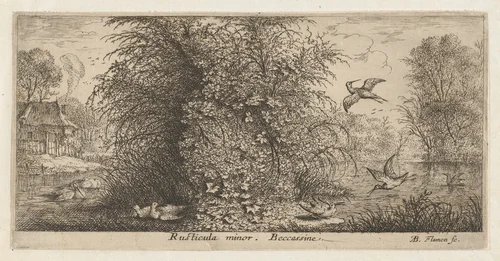
Flamen’s artistic legacy is primarily defined by his meticulous and prolific work as an illustrator for numerous publications. His etched output, comprising at least fifteen distinct prints, focused extensively on the natural world, providing detailed scientific documentation of ichthyology and ornithology. These natural history studies are characterized by their exacting line work and precise observation, setting an important standard for European printmaking of the period.
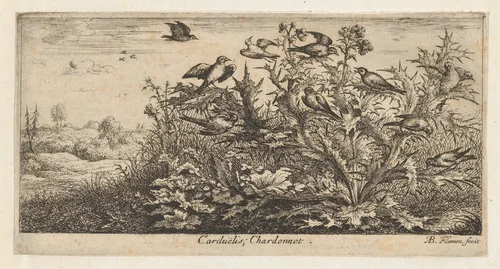
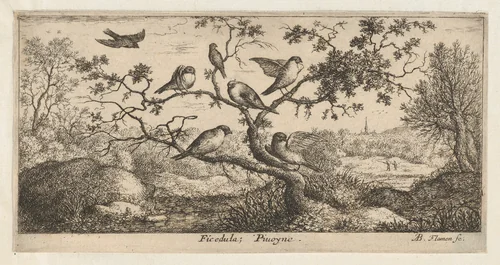
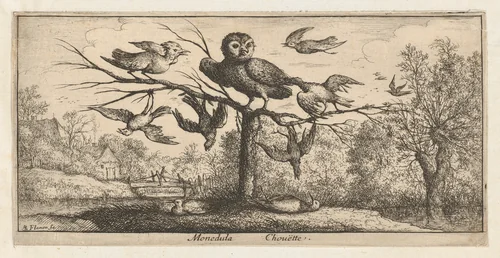
Among the most celebrated are his ornithological studies, which elevate simple documentation through sophisticated composition. Prints detailing species such as Carduelis, The Goldfinch, Monedula, The Owl, and Ficedula, The Bullfinch demonstrate his ability to render texture and life without resorting to the exaggerated anthropomorphism common in some later print traditions. Flamen manages to capture the specific personality of each creature with understated scientific objectivity, a particular delight for the discerning viewer.
His diverse professional practice, which included drafting for the lucrative French tapestry trade, speaks to the necessity of versatility for successful artists in the Parisian luxury market of the era. The enduring historical significance of his work is reflected in its institutional preservation; major collections, including the Metropolitan Museum of Art and the National Gallery of Art, hold high-quality prints of his output. Because of the age and artistic merit of these detailed works, many Albert Flamen prints are now available as downloadable artwork, ensuring that these sophisticated seventeenth-century studies remain accessible to modern audiences seeking museum-quality reproductions.
Source: Wikipedia · CC BY-SA 4.0